3.13 Developing Procedures
1. Exam Points
Develop procedures and call proceduresBenefits of procedure abstraction- Use
parameters to generalize functionality
- Extract shared features to
generalize functionality
- Note:
- Decide whether a procedure returns a value, if it does, use the
RETURN statement in the procedure.

2. Knowledge Points
(1) Procedural Abstraction (The Process of Creating Procedures)
Procedural abstraction: provides a name for a process and allows a procedure to be used only knowing what it does, not how it does it.- Example: Create a procedure(reuse) to compute the sum of all the elements in a given list.

- Procedural abstraction allows a solution to a
large problem to be based on the solutions of smaller subproblems, therefore, creating procedures to solve each subproblem.
- Example: create procedures for different tasks.
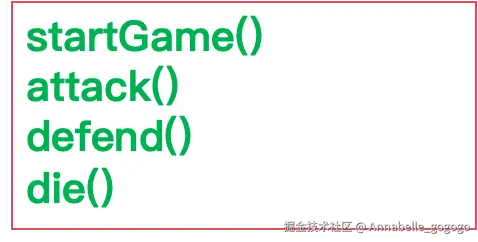
- A procedural abstraction may
extract shared features to generalize functionality instead of duplicating code.
- The subdivision of a computer program into separate subprograms is called
modularity (模块化/性).
- This allows for program
code reuse, which helps manage complexity.
- Using procedural abstraction
helps improve code readability.
- Programmers break down problems into smaller and
more manageable pieces.
- Procedures allow programmers to
draw upon existing code that has already been tested, allowing them to write programs more quickly and with more confidence and less errors.
Summary:
modularize a big problem into more managable subproblems, helps manage complexity.- improves code
reusability, reducing duplicate code.
- code well structured, more
readable and easier to maintain.
- Using
parameters allows procedures to be generalized, enabling the procedures to be reused with a range of input values or arguments.
(2) Develop and Call Procedures
- Develop and call a procedure:
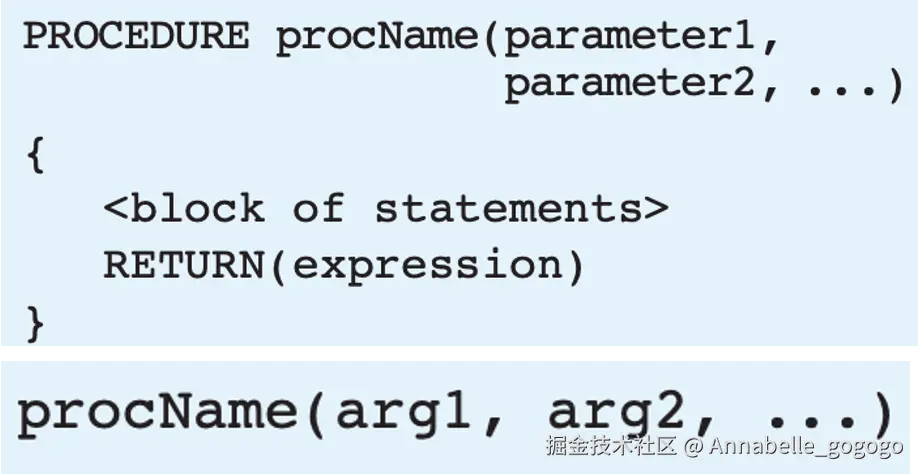
- Example: Develop a procedure
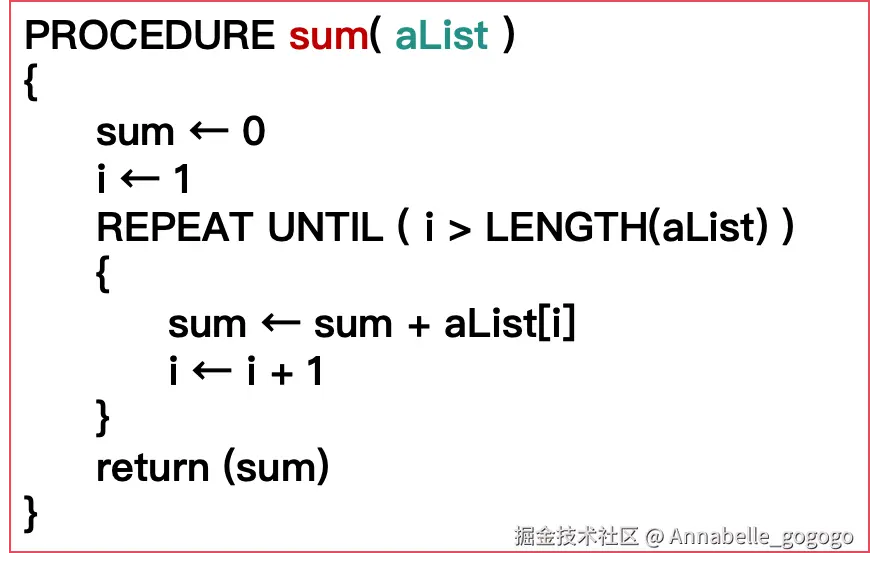
- Example: Call a procedure
- sum1 ← sum(aList)
- sum2 ← sum(bList)
(3) For FRQs
Benefits of using procedures:
modularize a big problem into more managable subproblems, helps manage complexity.- improves code
reusability, reducing duplicate code.
- code well structured, more
readable and easier to maintain.
- Using
parameters allows procedures to be generalized, enabling the procedures to be reused with a range of input values or arguments.
3. Exercises



