基本类型
TypeScript 继承了 JavaScript 的类型,在这个基础上,定义了一套自己的类型系统。
js的基本类型包括如下8类
- boolean
- string
- number
- object
- undefined
- null
- bigint
- symbol
TypeScript 继承了以上8种类型看作其为基本类型。
undefined 和 null 既可以作为值,也可以作为类型取决于在哪里使用它们。
boolean类型只包含true和false两个布尔值。string类型包含所有字符串。number类型包含所有整数和浮点数。object类型包含了所有对象、数组和函数。undefined和null是两种独立类型,它们各自都只有一个值。undefined,表示未定义(即还未给出定义,以后可能会有定义)。null 类型也只包含一个值null,表示为空(即此处没有值)。- bigint?
- symbol?
undefined补充
Object 类型与 object 类型
大Object 类型
大写的Object包含了所有可以转成对象的值,几乎所有的值。
除了undefined和null这两个值不能转为对象,其他任何值都可以赋值给Object类型
空对象{}是Object类型的简写形式
// let obj:{} == let obj:Object
小object 类型
只包含对象、数组和函数,不包括原始类型的值。
注意,无论是大写的Object类型,还是小写的object类型,都只包含 js 内置对象原生的属性和方法,自定义对象的属性和方法都不存在于这两个类型之中。
这俩类型的自定义对象的属性和方法无法直接使用。
undefined 和 null 的特殊性
undefined和null既是值,又是类型
undefined和null,ts 允许了 null和undefined可以赋值给任意类型的变量,以便跟 JavaScript 的行为保持一致,
但是有时候,不利于发挥类型系统的优势。
TypeScript 提供了一个编译选项strictNullChecks。
只要打开这个选项,undefined和null就不能赋值给其他类型的变量(除了any类型和unknown类型)。
值类型
TypeScript 规定,单个值也是一种类型,称为“值类型”。
值类型推断注意项
const声明变量,未宣告类型时,
如果变量的值为原始类型则其值作为其类型;
如果是对象类型则不会作为值类型,因为js里面,const变量赋值为对象时,属性值是可以改变的。
    // Uname推断为值类型'ws'
    const Uname = 'ws'
    // 推断为值类型'ws'const obj: {  name: string;  }
    const obj = {name:'王顺'}
联合类型
多种类型以或关系组合成的类型。
//phone可以为数字或字符类型
let phone:string | number = 123
//联合类型可以与值类型相结合
let sys:|'红'
        |'绿'
        |'蓝' = '红'
sys = '绿'
//可能为nulll类型的变量
let name:string|null;
name = 'John';
name = null;
如果一个变量有多种类型,读取该变量时,往往需要进行“类型缩小”,区分该值到底属于哪一种类型,然后再进一步处理。
function toUp (id:string|number) {
    //报错!!,因为不确定参数是否为字符类型。
    id.toUpperCase()
}

function toUp2 (id:string|number) {
    if(typeof id == 'string')id.toUpperCase()
    else{
        id = id + ''
        id.toUpperCase()
    }
}

function fn3 (rgb:'red'|'green'|'blue') {
    switch(rgb){
        case 'red':
            console.log('红色');
            return;
        case 'blue':
            console.log('蓝色');
            return;
    }
}
fn3('red')
交叉类型
多个类型以与的关系组成的一个新类型
叉类型常常用来为扩展对象类型。
type a = {name:string}
type b = a &{age:number}
let b:b = {age:10,name:'ws'}
type
type指自定义类型,可将相同类型约束复用。
let phone:number|string
let age:number|string

// type
type StrOrNum = number|string
let phone:StrOrNum
let age:StrOrNum
type也可以约束对象类型
type obj = {name:string}
let ws:obj = {name:'ws'}
type不能重复定义 => 不能同类扩展 => 扩展需要另创type
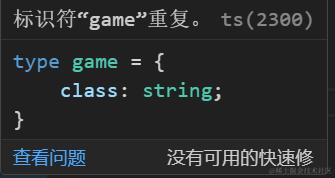
type game = {
    type:string
}
type game = {
   class:string
}
type继承
type animal = {
    class:string
}
// type brid = animal
type brid = animal & {
    canFly:boolean
}

let luoluo:brid = {
    class:'鸟类',
    canFly:true
}
typeof 运算符
js下,typeof 返回操作值的类型 值为"字符串"
    //null 为空对象 ,所以属于object类型
    typeof undefined; // "undefined"
    typeof true; // "boolean"
    typeof 1337; // "number"
    typeof "foo"; // "string"
    typeof {}; // "object"
    typeof parseInt; // "function"
    typeof Symbol(); // "symbol"
    typeof 127n // "bigint"
ts下 typeof运算符主要参与类型运算,它返回操作值的ts类型,而不是字符串
类型运算的情况: 1变量直接宣告类型时,2定义类型时
    let data = {
        code:200,
        detail:{
            list:[{title:'xxx'}],
        }
    }

    // 变量宣告类型时
    let data2:typeof data = {
        code:200,
        detail:{
            list:[{title:'xxx'}],
        }
    }
    // 定义类型时,定义的data类型采取data推断出的类型
    type data = typeof data
        let data3:data = {
            code:200,
            detail:{
                list:[{title:'xxx'}],
        }
    }
同一段代码可能存在两种typeof运算符,一种是类型运算,一种是值运算.
    let a = 1;
    let b:typeof a;
    if (typeof a === 'number') {
      b = a;
    }
由于编译时不会进行 JavaScript 的值运算,所以TypeScript 规定,typeof 的参数只能是标识符 不能是需要运算的表达式。
块级类型声明
type具有块级作用域,同名type在不同域不冲突,其type在各自域生效
if(true){
    type aaa = number
}
if(true){
    type aaa = boolean
}
type aaa = string
类型的兼容
TypeScript 的类型存在兼容关系,某些类型可以包含其他类型.
如果类型A的值可以赋值给类型B,那么类型A就称为类型B的子类型
父类兼容子类但子类不兼容父类,因为子类型继承了父类型的所有特征,所以可以用在父类型的场合。但是,子类型还可能有一些父类型没有的特征,所以父类型不能用在子类型的场合
// world类型可以赋值给string类型,则其为string类型的子类
type world = 'world'
let world:world = 'world'
// 父类兼容子类
let str:string = world
// 但子类不兼容父类
world = str //报错 不能将类型“string”分配给类型“"world"”。