redis是什么
大型关系型数据库系统比如mysql和oracle,为了保证数据的一致性和关联查询,设计了很多比如日志和锁等功能来保障安全,同时也损失了很大的读写性能。 但是对读写性能要求很高的场景,比如维护热点数据就可以使用redis,海量数据模糊查询就可以使用es。 目前一般业务场景使用mysql + nosql就可以满足,redis就是属于nosql其中的一种。
redis的集成和封装
引入redis依赖即可
<!--SpringBoot与Redis整合依赖-->
<dependency>
    <groupId>org.springframework.boot</groupId>
    <artifactId>spring-boot-starter-data-redis</artifactId>
</dependency>
如果想要对redis进行配置修改,则可以增加redis配置类
/**
 * @Description: Redis配置类
 */
@Configuration
public class RedisConfig {
    @Bean
    public RedisTemplate<String, String> redisTemplate(RedisConnectionFactory factory) {
        RedisTemplate<String, String> redisTemplate = new RedisTemplate<>();
        RedisSerializer<String> redisSerializer = new StringRedisSerializer();
        redisTemplate.setConnectionFactory(factory);

        // key序列化
        redisTemplate.setKeySerializer(redisSerializer);
        // value序列化
        redisTemplate.setValueSerializer(redisSerializer);
        // key hashmap序列化
        redisTemplate.setHashKeySerializer(redisSerializer);
        // value hashmap序列化
        redisTemplate.setHashValueSerializer(redisSerializer);
        return redisTemplate;
    }
}
配置文件
redis:

##redis 单机环境配置

host: 172.16.11.21

port: 6379

# password: Tabr_68686626

database: 8

ssl: false

##redis 集群环境配置

#cluster:

# nodes: 127.0.0.1:7001,127.0.0.1:7002,127.0.0.1:7003

# commandTimeout: 5000
自己写的一点封装类,不封装其实也没问题,直接用原始的redisTemplate,api也是可以好用
package org.springblade.common.utils;
import org.springframework.data.redis.connection.DataType;
import org.springframework.data.redis.core.Cursor;
import org.springframework.data.redis.core.ScanOptions;
import org.springframework.data.redis.core.StringRedisTemplate;
import org.springframework.data.redis.core.ZSetOperations.TypedTuple;
import org.springframework.stereotype.Component;
import java.util.Collection;
import java.util.Date;
import java.util.List;
import java.util.Map;
import java.util.Map.Entry;
import java.util.Set;
import java.util.concurrent.TimeUnit;
/**
* Redis工具类
*
*/
@Component
public class RedisUtil {
private StringRedisTemplate redisTemplate;
public void setRedisTemplate(StringRedisTemplate redisTemplate) {
this.redisTemplate = redisTemplate;
}
public StringRedisTemplate getRedisTemplate() {
return this.redisTemplate;
}
/** -------------------key相关操作--------------------- */
/**
* 删除key
*
* @param key
*/
public void delete(String key) {
redisTemplate.delete(key);
}
/**
* 批量删除key
*
* @param keys
*/
public void delete(Collection<String> keys) {
redisTemplate.delete(keys);
}
/**
* 序列化key
*
* @param key
* @return
*/
public byte[] dump(String key) {
return redisTemplate.dump(key);
}
/**
* 是否存在key
*
* @param key
* @return
*/
public Boolean hasKey(String key) {
return redisTemplate.hasKey(key);
}
/**
* 设置过期时间
*
* @param key
* @param timeout
* @param unit
* @return
*/
public Boolean expire(String key, long timeout, TimeUnit unit) {
return redisTemplate.expire(key, timeout, unit);
}
/**
* 设置过期时间
*
* @param key
* @param date
* @return
*/
public Boolean expireAt(String key, Date date) {
return redisTemplate.expireAt(key, date);
}
/**
* 查找匹配的key
*
* @param pattern
* @return
*/
public Set<String> keys(String pattern) {
return redisTemplate.keys(pattern);
}
/**
* 将当前数据库的 key 移动到给定的数据库 db 当中
*
* @param key
* @param dbIndex
* @return
*/
public Boolean move(String key, int dbIndex) {
return redisTemplate.move(key, dbIndex);
}
/**
* 移除 key 的过期时间,key 将持久保持
*
* @param key
* @return
*/
public Boolean persist(String key) {
return redisTemplate.persist(key);
}
/**
* 返回 key 的剩余的过期时间
*
* @param key
* @param unit
* @return
*/
public Long getExpire(String key, TimeUnit unit) {
return redisTemplate.getExpire(key, unit);
}
/**
* 返回 key 的剩余的过期时间
*
* @param key
* @return
*/
public Long getExpire(String key) {
return redisTemplate.getExpire(key);
}
/**
* 从当前数据库中随机返回一个 key
*
* @return
*/
public String randomKey() {
return redisTemplate.randomKey();
}
/**
* 修改 key 的名称
*
* @param oldKey
* @param newKey
*/
public void rename(String oldKey, String newKey) {
redisTemplate.rename(oldKey, newKey);
}
/**
* 仅当 newkey 不存在时,将 oldKey 改名为 newkey
*
* @param oldKey
* @param newKey
* @return
*/
public Boolean renameIfAbsent(String oldKey, String newKey) {
return redisTemplate.renameIfAbsent(oldKey, newKey);
}
/**
* 返回 key 所储存的值的类型
*
* @param key
* @return
*/
public DataType type(String key) {
return redisTemplate.type(key);
}
/** -------------------string相关操作--------------------- */
/**
* 设置指定 key 的值
* @param key
* @param value
*/
public void set(String key, String value) {
redisTemplate.opsForValue().set(key, value);
}
/**
* 获取指定 key 的值
* @param key
* @return
*/
public String get(String key) {
return redisTemplate.opsForValue().get(key);
}
/**
* 返回 key 中字符串值的子字符
* @param key
* @param start
* @param end
* @return
*/
public String getRange(String key, long start, long end) {
return redisTemplate.opsForValue().get(key, start, end);
}
/**
* 将给定 key 的值设为 value ,并返回 key 的旧值(old value)
*
* @param key
* @param value
* @return
*/
public String getAndSet(String key, String value) {
return redisTemplate.opsForValue().getAndSet(key, value);
}
/**
* 对 key 所储存的字符串值,获取指定偏移量上的位(bit)
*
* @param key
* @param offset
* @return
*/
public Boolean getBit(String key, long offset) {
return redisTemplate.opsForValue().getBit(key, offset);
}
/**
* 批量获取
*
* @param keys
* @return
*/
public List<String> multiGet(Collection<String> keys) {
return redisTemplate.opsForValue().multiGet(keys);
}
/**
* 设置ASCII码, 字符串'a'的ASCII码是97, 转为二进制是'01100001', 此方法是将二进制第offset位值变为value
*
* @param key
* @param postion
* 位置
* @param value
* 值,true为1, false为0
* @return
*/
public boolean setBit(String key, long offset, boolean value) {
return redisTemplate.opsForValue().setBit(key, offset, value);
}
/**
* 将值 value 关联到 key ,并将 key 的过期时间设为 timeout
*
* @param key
* @param value
* @param timeout
* 过期时间
* @param unit
* 时间单位, 天:TimeUnit.DAYS 小时:TimeUnit.HOURS 分钟:TimeUnit.MINUTES
* 秒:TimeUnit.SECONDS 毫秒:TimeUnit.MILLISECONDS
*/
public void setEx(String key, String value, long timeout, TimeUnit unit) {
redisTemplate.opsForValue().set(key, value, timeout, unit);
}
/**
* 只有在 key 不存在时设置 key 的值
*
* @param key
* @param value
* @return 之前已经存在返回false,不存在返回true
*/
public boolean setIfAbsent(String key, String value) {
return redisTemplate.opsForValue().setIfAbsent(key, value);
}
/**
* 用 value 参数覆写给定 key 所储存的字符串值,从偏移量 offset 开始
*
* @param key
* @param value
* @param offset
* 从指定位置开始覆写
*/
public void setRange(String key, String value, long offset) {
redisTemplate.opsForValue().set(key, value, offset);
}
/**
* 获取字符串的长度
*
* @param key
* @return
*/
public Long size(String key) {
return redisTemplate.opsForValue().size(key);
}
/**
* 批量添加
*
* @param maps
*/
public void multiSet(Map<String, String> maps) {
redisTemplate.opsForValue().multiSet(maps);
}
/**
* 同时设置一个或多个 key-value 对,当且仅当所有给定 key 都不存在
*
* @param maps
* @return 之前已经存在返回false,不存在返回true
*/
public boolean multiSetIfAbsent(Map<String, String> maps) {
return redisTemplate.opsForValue().multiSetIfAbsent(maps);
}
/**
* 增加(自增长), 负数则为自减
*
* @param key
* @param value
* @return
*/
public Long incrBy(String key, long increment) {
return redisTemplate.opsForValue().increment(key, increment);
}
/**
*
* @param key
* @param value
* @return
*/
public Double incrByFloat(String key, double increment) {
return redisTemplate.opsForValue().increment(key, increment);
}
/**
* 追加到末尾
*
* @param key
* @param value
* @return
*/
public Integer append(String key, String value) {
return redisTemplate.opsForValue().append(key, value);
}
/** -------------------hash相关操作------------------------- */
/**
* 获取存储在哈希表中指定字段的值
*
* @param key
* @param field
* @return
*/
public Object hGet(String key, String field) {
return redisTemplate.opsForHash().get(key, field);
}
/**
* 获取所有给定字段的值
*
* @param key
* @return
*/
public Map<Object, Object> hGetAll(String key) {
return redisTemplate.opsForHash().entries(key);
}
/**
* 获取所有给定字段的值
*
* @param key
* @param fields
* @return
*/
public List<Object> hMultiGet(String key, Collection<Object> fields) {
return redisTemplate.opsForHash().multiGet(key, fields);
}
public void hPut(String key, String hashKey, String value) {
redisTemplate.opsForHash().put(key, hashKey, value);
}
public void hPutAll(String key, Map<String, String> maps) {
redisTemplate.opsForHash().putAll(key, maps);
}
/**
* 仅当hashKey不存在时才设置
*
* @param key
* @param hashKey
* @param value
* @return
*/
public Boolean hPutIfAbsent(String key, String hashKey, String value) {
return redisTemplate.opsForHash().putIfAbsent(key, hashKey, value);
}
/**
* 删除一个或多个哈希表字段
*
* @param key
* @param fields
* @return
*/
public Long hDelete(String key, Object... fields) {
return redisTemplate.opsForHash().delete(key, fields);
}
/**
* 查看哈希表 key 中,指定的字段是否存在
*
* @param key
* @param field
* @return
*/
public boolean hExists(String key, String field) {
return redisTemplate.opsForHash().hasKey(key, field);
}
/**
* 为哈希表 key 中的指定字段的整数值加上增量 increment
*
* @param key
* @param field
* @param increment
* @return
*/
public Long hIncrBy(String key, Object field, long increment) {
return redisTemplate.opsForHash().increment(key, field, increment);
}
/**
* 为哈希表 key 中的指定字段的整数值加上增量 increment
*
* @param key
* @param field
* @param delta
* @return
*/
public Double hIncrByFloat(String key, Object field, double delta) {
return redisTemplate.opsForHash().increment(key, field, delta);
}
/**
* 获取所有哈希表中的字段
*
* @param key
* @return
*/
public Set<Object> hKeys(String key) {
return redisTemplate.opsForHash().keys(key);
}
/**
* 获取哈希表中字段的数量
*
* @param key
* @return
*/
public Long hSize(String key) {
return redisTemplate.opsForHash().size(key);
}
/**
* 获取哈希表中所有值
*
* @param key
* @return
*/
public List<Object> hValues(String key) {
return redisTemplate.opsForHash().values(key);
}
/**
* 迭代哈希表中的键值对
*
* @param key
* @param options
* @return
*/
public Cursor<Entry<Object, Object>> hScan(String key, ScanOptions options) {
return redisTemplate.opsForHash().scan(key, options);
}
/** ------------------------list相关操作---------------------------- */
/**
* 通过索引获取列表中的元素
*
* @param key
* @param index
* @return
*/
public String lIndex(String key, long index) {
return redisTemplate.opsForList().index(key, index);
}
/**
* 获取列表指定范围内的元素
*
* @param key
* @param start
* 开始位置, 0是开始位置
* @param end
* 结束位置, -1返回所有
* @return
*/
public List<String> lRange(String key, long start, long end) {
return redisTemplate.opsForList().range(key, start, end);
}
/**
* 存储在list头部
*
* @param key
* @param value
* @return
*/
public Long lLeftPush(String key, String value) {
return redisTemplate.opsForList().leftPush(key, value);
}
/**
*
* @param key
* @param value
* @return
*/
public Long lLeftPushAll(String key, String... value) {
return redisTemplate.opsForList().leftPushAll(key, value);
}
/**
*
* @param key
* @param value
* @return
*/
public Long lLeftPushAll(String key, Collection<String> value) {
return redisTemplate.opsForList().leftPushAll(key, value);
}
/**
* 当list存在的时候才加入
*
* @param key
* @param value
* @return
*/
public Long lLeftPushIfPresent(String key, String value) {
return redisTemplate.opsForList().leftPushIfPresent(key, value);
}
/**
* 如果pivot存在,再pivot前面添加
*
* @param key
* @param pivot
* @param value
* @return
*/
public Long lLeftPush(String key, String pivot, String value) {
return redisTemplate.opsForList().leftPush(key, pivot, value);
}
/**
*
* @param key
* @param value
* @return
*/
public Long lRightPush(String key, String value) {
return redisTemplate.opsForList().rightPush(key, value);
}
/**
*
* @param key
* @param value
* @return
*/
public Long lRightPushAll(String key, String... value) {
return redisTemplate.opsForList().rightPushAll(key, value);
}
/**
*
* @param key
* @param value
* @return
*/
public Long lRightPushAll(String key, Collection<String> value) {
return redisTemplate.opsForList().rightPushAll(key, value);
}
/**
* 为已存在的列表添加值
*
* @param key
* @param value
* @return
*/
public Long lRightPushIfPresent(String key, String value) {
return redisTemplate.opsForList().rightPushIfPresent(key, value);
}
/**
* 在pivot元素的右边添加值
*
* @param key
* @param pivot
* @param value
* @return
*/
public Long lRightPush(String key, String pivot, String value) {
return redisTemplate.opsForList().rightPush(key, pivot, value);
}
/**
* 通过索引设置列表元素的值
*
* @param key
* @param index
* 位置
* @param value
*/
public void lSet(String key, long index, String value) {
redisTemplate.opsForList().set(key, index, value);
}
/**
* 移出并获取列表的第一个元素
*
* @param key
* @return 删除的元素
*/
public String lLeftPop(String key) {
return redisTemplate.opsForList().leftPop(key);
}
/**
* 移出并获取列表的第一个元素, 如果列表没有元素会阻塞列表直到等待超时或发现可弹出元素为止
*
* @param key
* @param timeout
* 等待时间
* @param unit
* 时间单位
* @return
*/
public String lBLeftPop(String key, long timeout, TimeUnit unit) {
return redisTemplate.opsForList().leftPop(key, timeout, unit);
}
/**
* 移除并获取列表最后一个元素
*
* @param key
* @return 删除的元素
*/
public String lRightPop(String key) {
return redisTemplate.opsForList().rightPop(key);
}
/**
* 移出并获取列表的最后一个元素, 如果列表没有元素会阻塞列表直到等待超时或发现可弹出元素为止
*
* @param key
* @param timeout
* 等待时间
* @param unit
* 时间单位
* @return
*/
public String lBRightPop(String key, long timeout, TimeUnit unit) {
return redisTemplate.opsForList().rightPop(key, timeout, unit);
}
/**
* 移除列表的最后一个元素,并将该元素添加到另一个列表并返回
*
* @param sourceKey
* @param destinationKey
* @return
*/
public String lRightPopAndLeftPush(String sourceKey, String destinationKey) {
return redisTemplate.opsForList().rightPopAndLeftPush(sourceKey,
destinationKey);
}
/**
* 从列表中弹出一个值,将弹出的元素插入到另外一个列表中并返回它; 如果列表没有元素会阻塞列表直到等待超时或发现可弹出元素为止
*
* @param sourceKey
* @param destinationKey
* @param timeout
* @param unit
* @return
*/
public String lBRightPopAndLeftPush(String sourceKey, String destinationKey,
long timeout, TimeUnit unit) {
return redisTemplate.opsForList().rightPopAndLeftPush(sourceKey,
destinationKey, timeout, unit);
}
/**
* 删除集合中值等于value得元素
*
* @param key
* @param index
* index=0, 删除所有值等于value的元素; index>0, 从头部开始删除第一个值等于value的元素;
* index<0, 从尾部开始删除第一个值等于value的元素;
* @param value
* @return
*/
public Long lRemove(String key, long index, String value) {
return redisTemplate.opsForList().remove(key, index, value);
}
/**
* 裁剪list
*
* @param key
* @param start
* @param end
*/
public void lTrim(String key, long start, long end) {
redisTemplate.opsForList().trim(key, start, end);
}
/**
* 获取列表长度
*
* @param key
* @return
*/
public Long lLen(String key) {
return redisTemplate.opsForList().size(key);
}
/** --------------------set相关操作-------------------------- */
/**
* set添加元素
*
* @param key
* @param values
* @return
*/
public Long sAdd(String key, String... values) {
return redisTemplate.opsForSet().add(key, values);
}
/**
* set移除元素
*
* @param key
* @param values
* @return
*/
public Long sRemove(String key, Object... values) {
return redisTemplate.opsForSet().remove(key, values);
}
/**
* 移除并返回集合的一个随机元素
*
* @param key
* @return
*/
public String sPop(String key) {
return redisTemplate.opsForSet().pop(key);
}
/**
* 将元素value从一个集合移到另一个集合
*
* @param key
* @param value
* @param destKey
* @return
*/
public Boolean sMove(String key, String value, String destKey) {
return redisTemplate.opsForSet().move(key, value, destKey);
}
/**
* 获取集合的大小
*
* @param key
* @return
*/
public Long sSize(String key) {
return redisTemplate.opsForSet().size(key);
}
/**
* 判断集合是否包含value
*
* @param key
* @param value
* @return
*/
public Boolean sIsMember(String key, Object value) {
return redisTemplate.opsForSet().isMember(key, value);
}
/**
* 获取两个集合的交集
*
* @param key
* @param otherKey
* @return
*/
public Set<String> sIntersect(String key, String otherKey) {
return redisTemplate.opsForSet().intersect(key, otherKey);
}
/**
* 获取key集合与多个集合的交集
*
* @param key
* @param otherKeys
* @return
*/
public Set<String> sIntersect(String key, Collection<String> otherKeys) {
return redisTemplate.opsForSet().intersect(key, otherKeys);
}
/**
* key集合与otherKey集合的交集存储到destKey集合中
*
* @param key
* @param otherKey
* @param destKey
* @return
*/
public Long sIntersectAndStore(String key, String otherKey, String destKey) {
return redisTemplate.opsForSet().intersectAndStore(key, otherKey,
destKey);
}
/**
* key集合与多个集合的交集存储到destKey集合中
*
* @param key
* @param otherKeys
* @param destKey
* @return
*/
public Long sIntersectAndStore(String key, Collection<String> otherKeys,
String destKey) {
return redisTemplate.opsForSet().intersectAndStore(key, otherKeys,
destKey);
}
/**
* 获取两个集合的并集
*
* @param key
* @param otherKeys
* @return
*/
public Set<String> sUnion(String key, String otherKeys) {
return redisTemplate.opsForSet().union(key, otherKeys);
}
/**
* 获取key集合与多个集合的并集
*
* @param key
* @param otherKeys
* @return
*/
public Set<String> sUnion(String key, Collection<String> otherKeys) {
return redisTemplate.opsForSet().union(key, otherKeys);
}
/**
* key集合与otherKey集合的并集存储到destKey中
*
* @param key
* @param otherKey
* @param destKey
* @return
*/
public Long sUnionAndStore(String key, String otherKey, String destKey) {
return redisTemplate.opsForSet().unionAndStore(key, otherKey, destKey);
}
/**
* key集合与多个集合的并集存储到destKey中
*
* @param key
* @param otherKeys
* @param destKey
* @return
*/
public Long sUnionAndStore(String key, Collection<String> otherKeys,
String destKey) {
return redisTemplate.opsForSet().unionAndStore(key, otherKeys, destKey);
}
/**
* 获取两个集合的差集
*
* @param key
* @param otherKey
* @return
*/
public Set<String> sDifference(String key, String otherKey) {
return redisTemplate.opsForSet().difference(key, otherKey);
}
/**
* 获取key集合与多个集合的差集
*
* @param key
* @param otherKeys
* @return
*/
public Set<String> sDifference(String key, Collection<String> otherKeys) {
return redisTemplate.opsForSet().difference(key, otherKeys);
}
/**
* key集合与otherKey集合的差集存储到destKey中
*
* @param key
* @param otherKey
* @param destKey
* @return
*/
public Long sDifference(String key, String otherKey, String destKey) {
return redisTemplate.opsForSet().differenceAndStore(key, otherKey,
destKey);
}
/**
* key集合与多个集合的差集存储到destKey中
*
* @param key
* @param otherKeys
* @param destKey
* @return
*/
public Long sDifference(String key, Collection<String> otherKeys,
String destKey) {
return redisTemplate.opsForSet().differenceAndStore(key, otherKeys,
destKey);
}
/**
* 获取集合所有元素
*
* @param key
* @param otherKeys
* @param destKey
* @return
*/
public Set<String> setMembers(String key) {
return redisTemplate.opsForSet().members(key);
}
/**
* 随机获取集合中的一个元素
*
* @param key
* @return
*/
public String sRandomMember(String key) {
return redisTemplate.opsForSet().randomMember(key);
}
/**
* 随机获取集合中count个元素
*
* @param key
* @param count
* @return
*/
public List<String> sRandomMembers(String key, long count) {
return redisTemplate.opsForSet().randomMembers(key, count);
}
/**
* 随机获取集合中count个元素并且去除重复的
*
* @param key
* @param count
* @return
*/
public Set<String> sDistinctRandomMembers(String key, long count) {
return redisTemplate.opsForSet().distinctRandomMembers(key, count);
}
/**
*
* @param key
* @param options
* @return
*/
public Cursor<String> sScan(String key, ScanOptions options) {
return redisTemplate.opsForSet().scan(key, options);
}
/**------------------zSet相关操作--------------------------------*/
/**
* 添加元素,有序集合是按照元素的score值由小到大排列
*
* @param key
* @param value
* @param score
* @return
*/
public Boolean zAdd(String key, String value, double score) {
return redisTemplate.opsForZSet().add(key, value, score);
}
/**
*
* @param key
* @param values
* @return
*/
public Long zAdd(String key, Set<TypedTuple<String>> values) {
return redisTemplate.opsForZSet().add(key, values);
}
/**
*
* @param key
* @param values
* @return
*/
public Long zRemove(String key, Object... values) {
return redisTemplate.opsForZSet().remove(key, values);
}
/**
* 增加元素的score值,并返回增加后的值
*
* @param key
* @param value
* @param delta
* @return
*/
public Double zIncrementScore(String key, String value, double delta) {
return redisTemplate.opsForZSet().incrementScore(key, value, delta);
}
/**
* 返回元素在集合的排名,有序集合是按照元素的score值由小到大排列
*
* @param key
* @param value
* @return 0表示第一位
*/
public Long zRank(String key, Object value) {
return redisTemplate.opsForZSet().rank(key, value);
}
/**
* 返回元素在集合的排名,按元素的score值由大到小排列
*
* @param key
* @param value
* @return
*/
public Long zReverseRank(String key, Object value) {
return redisTemplate.opsForZSet().reverseRank(key, value);
}
/**
* 获取集合的元素, 从小到大排序
*
* @param key
* @param start
* 开始位置
* @param end
* 结束位置, -1查询所有
* @return
*/
public Set<String> zRange(String key, long start, long end) {
return redisTemplate.opsForZSet().range(key, start, end);
}
/**
* 获取集合元素, 并且把score值也获取
*
* @param key
* @param start
* @param end
* @return
*/
public Set<TypedTuple<String>> zRangeWithScores(String key, long start,
long end) {
return redisTemplate.opsForZSet().rangeWithScores(key, start, end);
}
/**
* 根据Score值查询集合元素
*
* @param key
* @param min
* 最小值
* @param max
* 最大值
* @return
*/
public Set<String> zRangeByScore(String key, double min, double max) {
return redisTemplate.opsForZSet().rangeByScore(key, min, max);
}
/**
* 根据Score值查询集合元素, 从小到大排序
*
* @param key
* @param min
* 最小值
* @param max
* 最大值
* @return
*/
public Set<TypedTuple<String>> zRangeByScoreWithScores(String key,
double min, double max) {
return redisTemplate.opsForZSet().rangeByScoreWithScores(key, min, max);
}
/**
*
* @param key
* @param min
* @param max
* @param start
* @param end
* @return
*/
public Set<TypedTuple<String>> zRangeByScoreWithScores(String key,
double min, double max, long start, long end) {
return redisTemplate.opsForZSet().rangeByScoreWithScores(key, min, max,
start, end);
}
/**
* 获取集合的元素, 从大到小排序
*
* @param key
* @param start
* @param end
* @return
*/
public Set<String> zReverseRange(String key, long start, long end) {
return redisTemplate.opsForZSet().reverseRange(key, start, end);
}
/**
* 获取集合的元素, 从大到小排序, 并返回score值
*
* @param key
* @param start
* @param end
* @return
*/
public Set<TypedTuple<String>> zReverseRangeWithScores(String key,
long start, long end) {
return redisTemplate.opsForZSet().reverseRangeWithScores(key, start,
end);
}
/**
* 根据Score值查询集合元素, 从大到小排序
*
* @param key
* @param min
* @param max
* @return
*/
public Set<String> zReverseRangeByScore(String key, double min,
double max) {
return redisTemplate.opsForZSet().reverseRangeByScore(key, min, max);
}
/**
* 根据Score值查询集合元素, 从大到小排序
*
* @param key
* @param min
* @param max
* @return
*/
public Set<TypedTuple<String>> zReverseRangeByScoreWithScores(
String key, double min, double max) {
return redisTemplate.opsForZSet().reverseRangeByScoreWithScores(key,
min, max);
}
/**
*
* @param key
* @param min
* @param max
* @param start
* @param end
* @return
*/
public Set<String> zReverseRangeByScore(String key, double min,
double max, long start, long end) {
return redisTemplate.opsForZSet().reverseRangeByScore(key, min, max,
start, end);
}
/**
* 根据score值获取集合元素数量
*
* @param key
* @param min
* @param max
* @return
*/
public Long zCount(String key, double min, double max) {
return redisTemplate.opsForZSet().count(key, min, max);
}
/**
* 获取集合大小
*
* @param key
* @return
*/
public Long zSize(String key) {
return redisTemplate.opsForZSet().size(key);
}
/**
* 获取集合大小
*
* @param key
* @return
*/
public Long zZCard(String key) {
return redisTemplate.opsForZSet().zCard(key);
}
/**
* 获取集合中value元素的score值
*
* @param key
* @param value
* @return
*/
public Double zScore(String key, Object value) {
return redisTemplate.opsForZSet().score(key, value);
}
/**
* 移除指定索引位置的成员
*
* @param key
* @param start
* @param end
* @return
*/
public Long zRemoveRange(String key, long start, long end) {
return redisTemplate.opsForZSet().removeRange(key, start, end);
}
/**
* 根据指定的score值的范围来移除成员
*
* @param key
* @param min
* @param max
* @return
*/
public Long zRemoveRangeByScore(String key, double min, double max) {
return redisTemplate.opsForZSet().removeRangeByScore(key, min, max);
}
/**
* 获取key和otherKey的并集并存储在destKey中
*
* @param key
* @param otherKey
* @param destKey
* @return
*/
public Long zUnionAndStore(String key, String otherKey, String destKey) {
return redisTemplate.opsForZSet().unionAndStore(key, otherKey, destKey);
}
/**
*
* @param key
* @param otherKeys
* @param destKey
* @return
*/
public Long zUnionAndStore(String key, Collection<String> otherKeys,
String destKey) {
return redisTemplate.opsForZSet()
.unionAndStore(key, otherKeys, destKey);
}
/**
* 交集
*
* @param key
* @param otherKey
* @param destKey
* @return
*/
public Long zIntersectAndStore(String key, String otherKey,
String destKey) {
return redisTemplate.opsForZSet().intersectAndStore(key, otherKey,
destKey);
}
/**
* 交集
*
* @param key
* @param otherKeys
* @param destKey
* @return
*/
public Long zIntersectAndStore(String key, Collection<String> otherKeys,
String destKey) {
return redisTemplate.opsForZSet().intersectAndStore(key, otherKeys,
destKey);
}
/**
*
* @param key
* @param options
* @return
*/
public Cursor<TypedTuple<String>> zScan(String key, ScanOptions options) {
return redisTemplate.opsForZSet().scan(key, options);
}
}
redis能做什么
热点数据的缓存
读多写少的数据,可以用作缓存 redis是通过将数据存储在内存中来实现缓存的,提高了访问和检索的性能和响应时间 缓存可以考虑使用多级缓存思想,使用堆内缓存 + redis的方式实现缓存
计数器
redis的increment方法可以获取自增的value值,用作ip访问或者访问量等次数使用
例:当日访问次数 设置key:前缀 + date 设置过期时间: expire(key,时间) expire 和 expireAt 用法相同,expireAt使用的unix的时间戳 设置自增值1,如果key值不存在则是0,如果值存在则是+1
stringRedisTemplate.opsForValue().increment(key, longValue);
限流器
限流算法
固定窗口算法
单位时间内维护一个计数器,次数大于限流值就允许访问
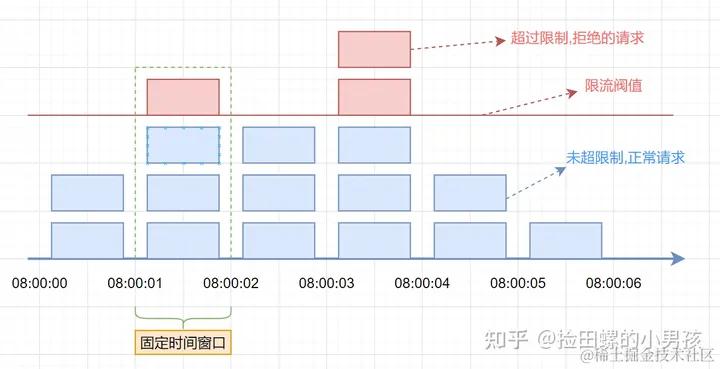 实现办法:
定时任务单位时间清空上一个单位时间的计数器,创建一个新的单位时间的redis的计数key,设置过期时间为单位时间,自由设置限流值,接口访问时计数并判断是否超量
实现办法:
定时任务单位时间清空上一个单位时间的计数器,创建一个新的单位时间的redis的计数key,设置过期时间为单位时间,自由设置限流值,接口访问时计数并判断是否超量
滑动窗口算法
滑动窗口为了解决固定窗口临界值的问题,但是固定窗口的应用场景本就是局部,所以应用场景不大
漏桶算法
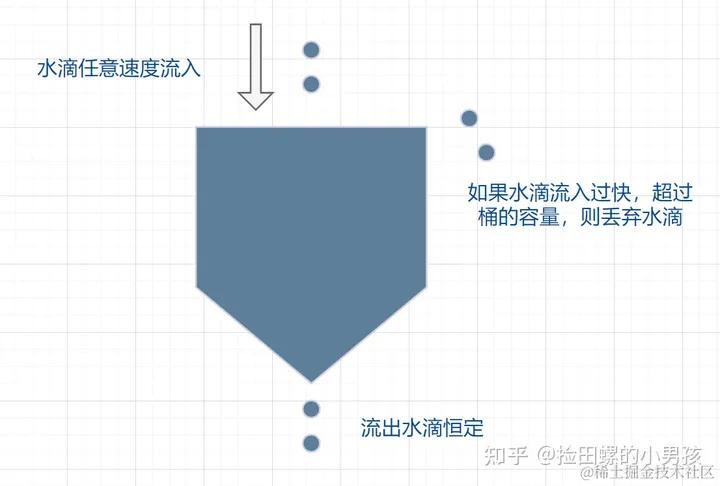
- 流入的水滴,可以看作是访问系统的请求,这个流入速率是不确定的。
- 桶的容量一般表示系统所能处理的请求数。
- 如果桶的容量满了,就达到限流的阀值,就会丢弃水滴(拒绝请求)
- 流出的水滴,是恒定过滤的,对应服务按照固定的速率处理请求
令牌桶算法
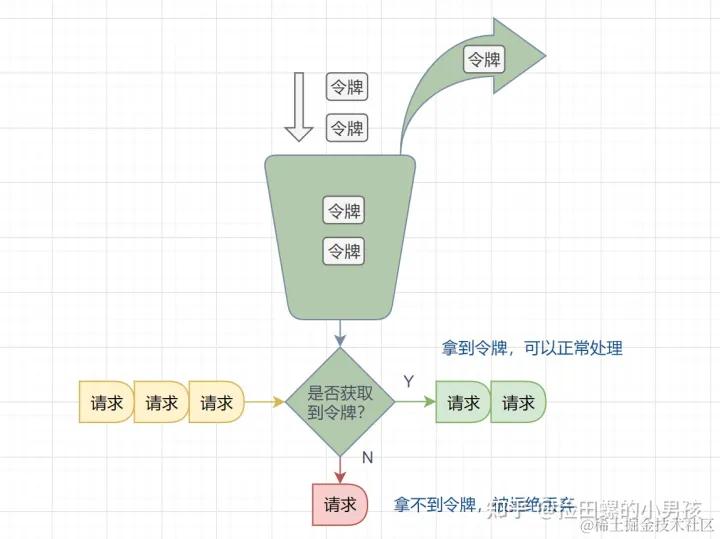
限流方案
tomcat限流
tomcat的conf/server.xml配置文件
<Connector port="8080" protocol="HTTP/1.1"
          connectionTimeout="20000"
          maxThreads="150"
          redirectPort="8443" />
maxThreads是最大线程数,请求的并发大的时候会排队执行,默认为150
nginx限流
控制速率 limit_req_zone 限制单位时间内的请求数
limit_req_zone $binary_remote_addr zone=mylimit:10m rate=2r/s;
server {
    location / {
        limit_req zone=mylimit burst=4;
    }
}
burst=4 表示每个 IP 最多允许4个突发请求 控制并发数
server {
    ...
    limit_conn perip 10;
    limit_conn perserver 100;
}
服务端限流
也就是使用限流算法在服务端限流
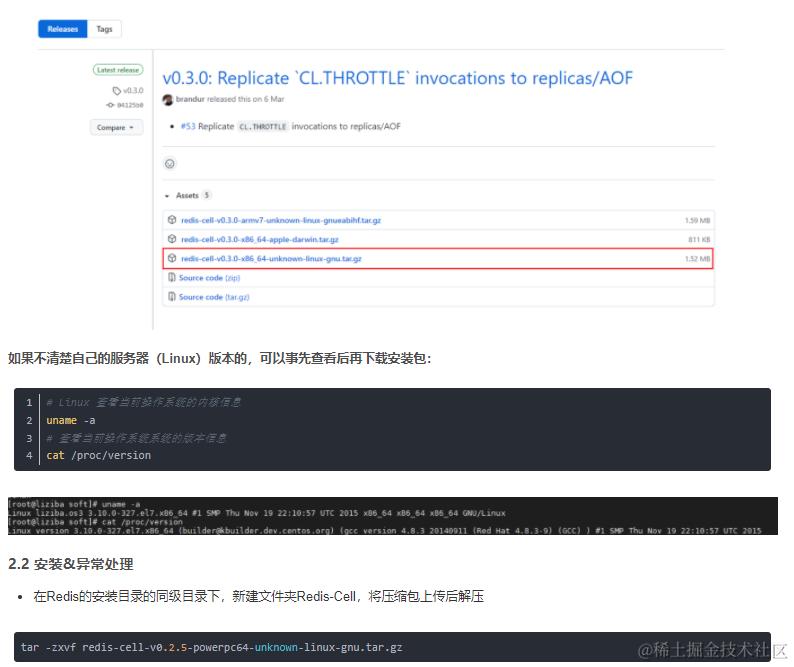
redis-cell限流
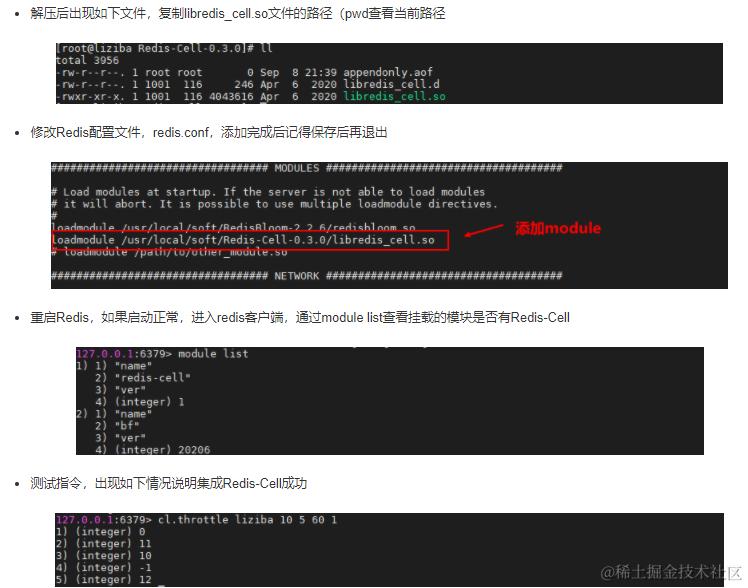
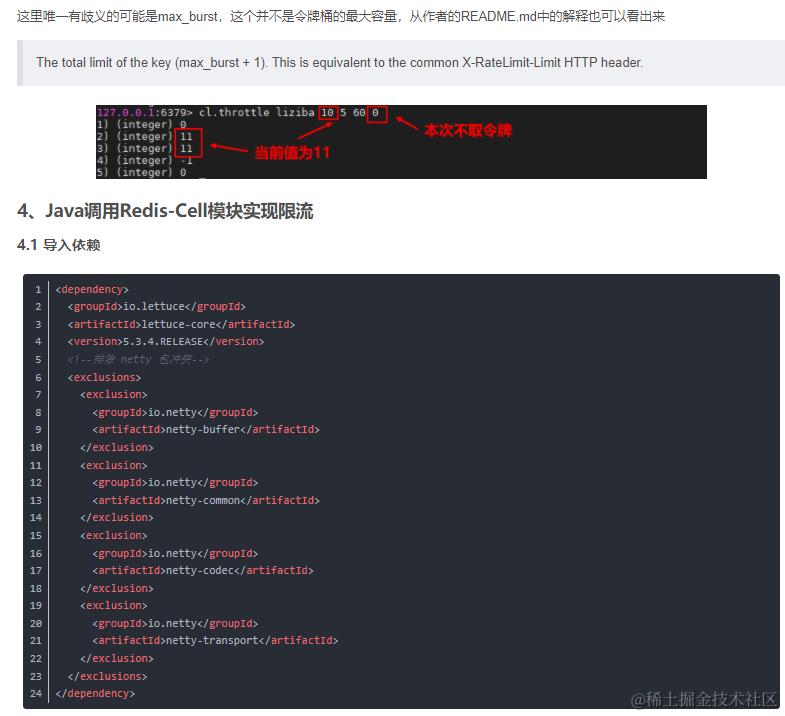
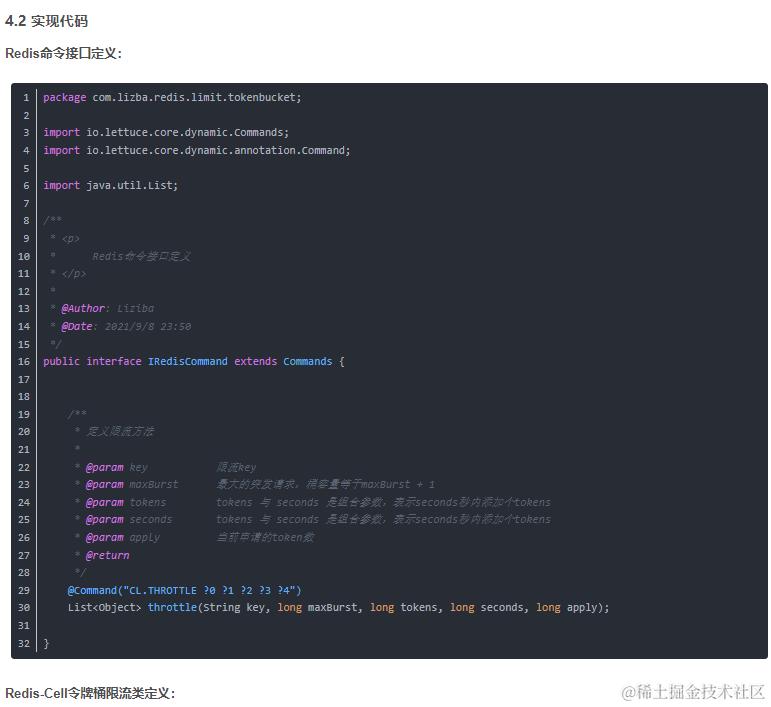
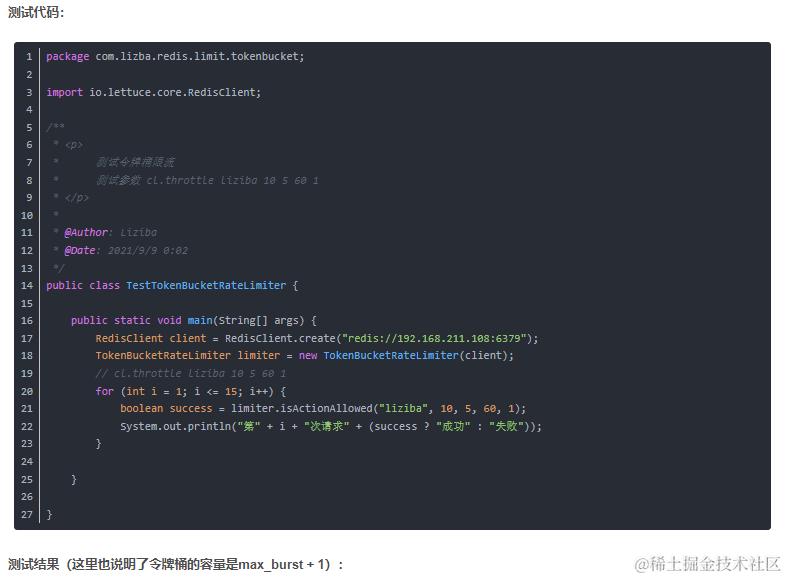
redis-cell用rust语言编写的基于令牌桶算法的的限流模块,提供原子性的限流功能,并允许突发流量,可以很方便的应用于分布式环境中。
查看服务器版本
排行榜
Redis中的zset可以有序且唯一 向排行榜中添加一条记录(已存在则不更新)
stringRedisTemplate.opsForZSet().addIfAbsent(TV_RANKING, code, score);
向排行榜中添加一条记录(已存在则更新)
stringRedisTemplate.opsForZSet().add(TV_RANKING, code, score);
周榜月榜和其余的各类查询则省略
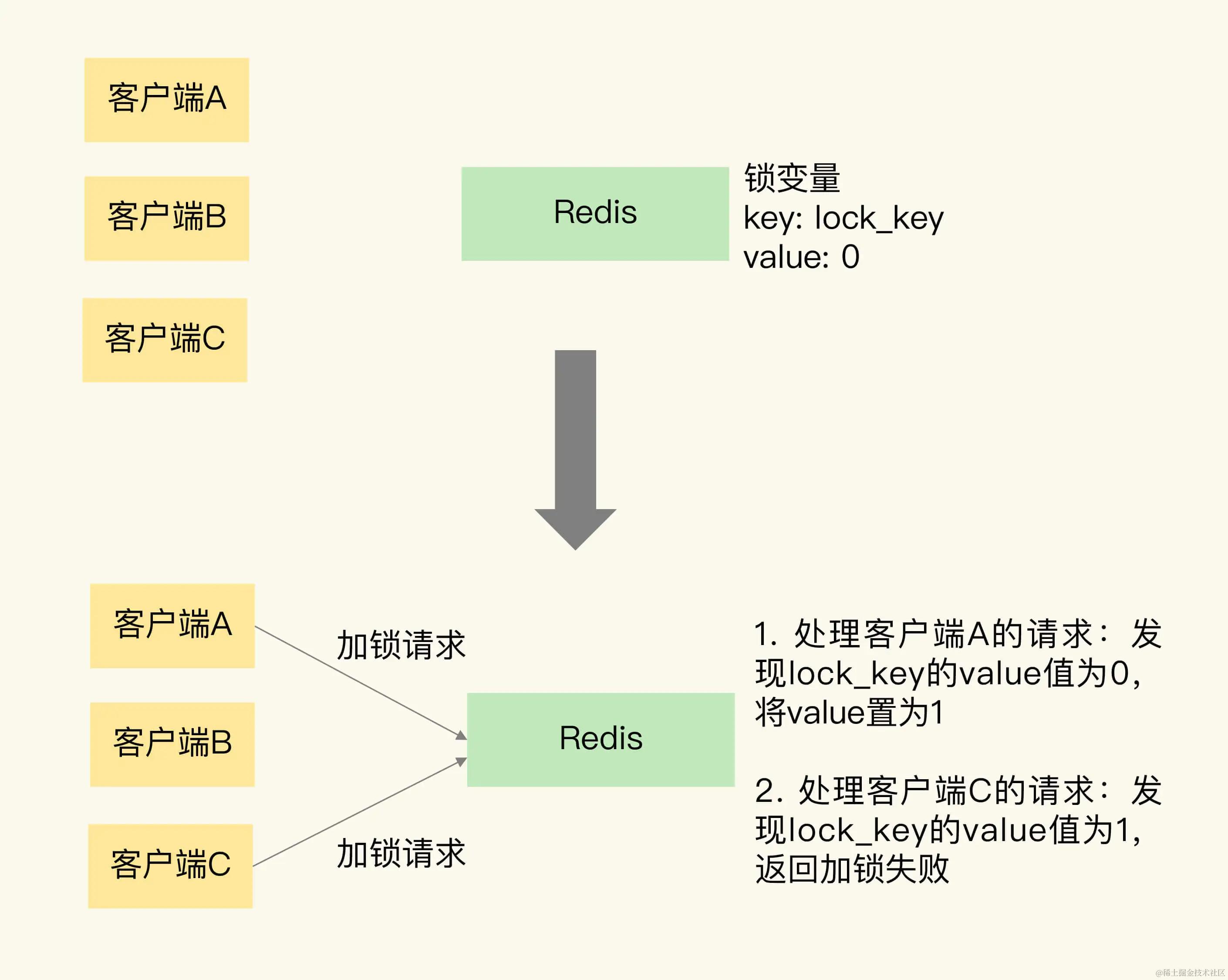
分布式锁
分布式锁需要redis的高可用,以后细讲
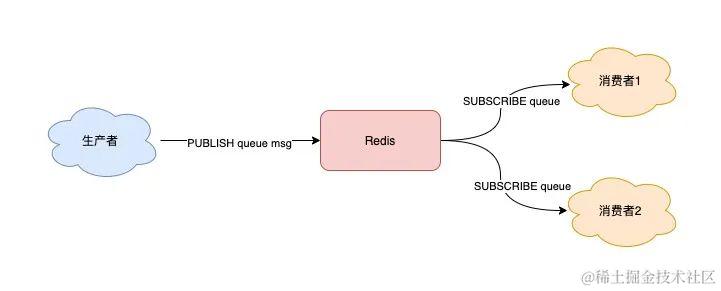
队列
redis存在pub/sub发布订阅模型,可以实现mq队列功能
redis原理
单线程
redis的单线程指的是事件处理上的单线程,在处理读、解析、执行、内容返回上的都是由一个顺序执行的主线程处理。 redis4.0引入了lazy free 解决了使用del指令删除大key数据时的卡顿问题,将其异步处理 redis6.0引入了多线程,处理io
内存运行
内存读写比磁盘读写快,redis基于内存存储实现,可以省去磁盘i/o的消耗,时间复杂度为o(1)
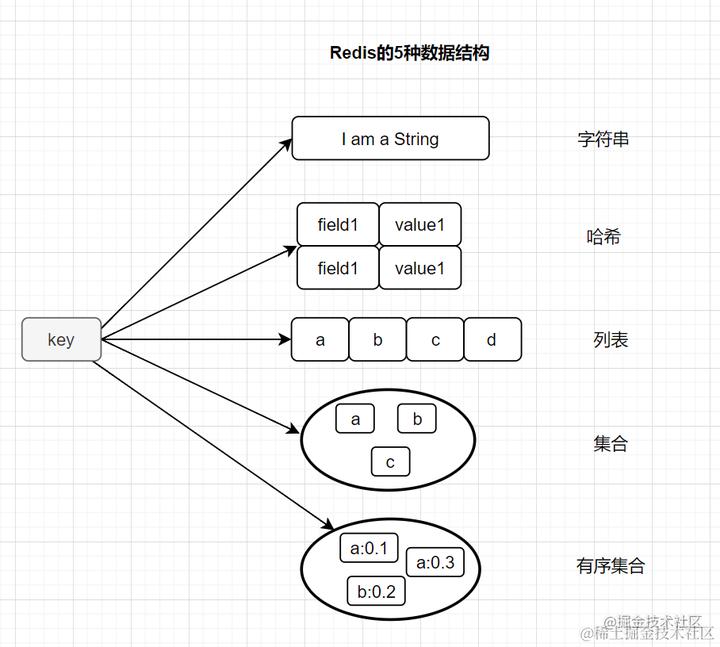
key-value存储
- String(字符串)
- Hash(哈希)
- List(列表)
- Set(集合)
- zset(有序集合)
- Geospatial
- Hyperloglog
- Bitmap
持久化
为了防止数据因断电丢失,需要将数据存入硬盘,就是redis的持久化 持久化两个方式:RDB快照,dump.rdb文件;aof追加日志文件,redis启动时全部重写 如果混合使用启动时会以aof启动
redis原子性
redis的操作是原子性的,意味着每个操作要么完全执行,要么完全不执行。原子性的实现来源于:
1.单线程模型
redis采用一个线程处理所有的命令请求,如图,在事件队列处同时只会有一个线程在执行任务。
由于大部分都是内存操作,避免了锁竞争和资源抢占、上下文切换,单线程的操作已经足够高效。但是为了解决一些操作的性能瓶颈,引入了多线程,解决了网络io还有数据持久化的复杂操作。
2.redis的每个命令在执行时都是原子性的
3.redis的事务操作
MULTI:开启事务 命令队列:所有MULTI和EXEC之间的命令被打包成一个原子操作 EXEC:执行
MULTI
命令
EXEC
4.乐观锁:watch命令来监视单个或者多个键来保证事务
WATCH mykey
MULTI
INCR mykey
EXEC
5.Lua脚本:redis执行Lua脚本,在运行期间是原子性的。
业务中使用redis很少用到事务,但是当多个redis操作需要包装成原子操作时,就需要考虑在redisconfig中开启事务,但是redis的回滚需要自己实现。