这是我参与「第五届青训营 」伴学笔记创作活动的第 35 天
本节课将重点介绍 ByteFaaS 数据面架构设计与实现原理,尤其是函数常规启动调用流量调度与函数冷启动相关内容,结合日常研发中实际案例帮助大家更好地理解 FaaS 场景下企业级应用与最佳实践。
Overview
- FaaS - Function as a Service
- users only write a function, instead of the whole service
- users focus more on code, not infrastructure
- Event- driven serverless computing platform
- different event source integration
- Pay as you go
- auto-scale up and down (even scale to zero)
- only pay for or consume resources as needed (cost-efficiency)
Overview of ByteFaaS Architecture
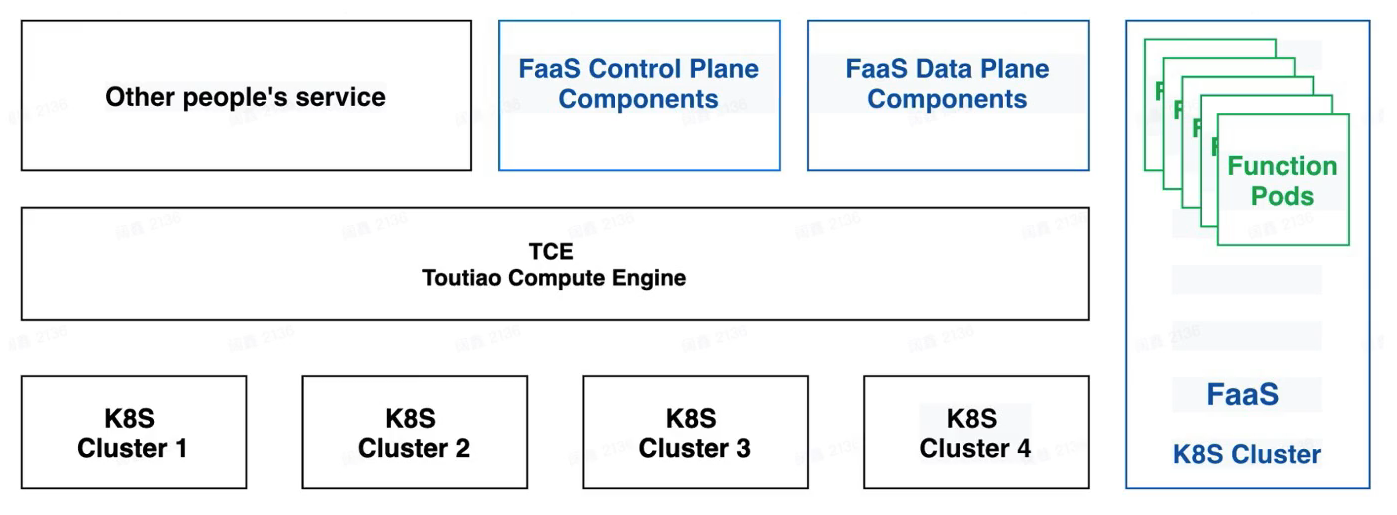
- 1-stop serverless computing platform
- create, build, deploy function; logging, monitoring, auto-scaling.
- function execution, readiness check, service discovery, proxying, routing, load balancing
Function Runtime
- Scheduled and executed as k8s pod
- deployment pod for steady traffic(pod承载稳态流量)
- warming pod for burst traffic(用于函数冷启动和突发流量)
- Unified base image + custom function code(加速启动)
- 镜像代码分离的设计:同一组runtime的函数都是用统一的基础镜像。基于基础镜像把pod启动起来,再加载函数代码
- 所有机器可以先预置基础镜像,启动代码的时候,就可以复用缓存中的镜像,加速Pod启动
- Runtime-agent + function
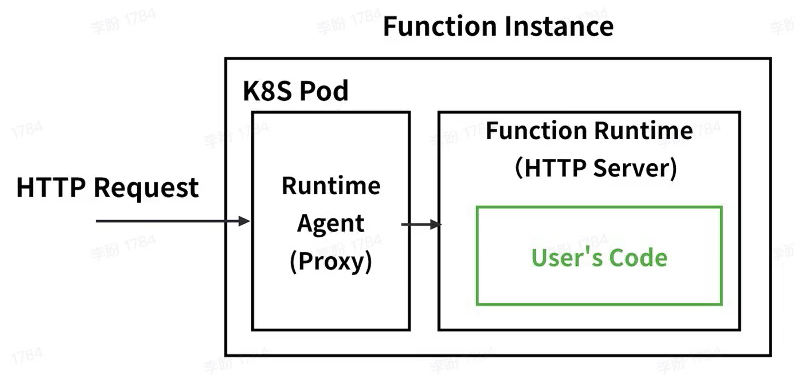
- Runtime-agent
- load function environments/code, start runtime process
- proxy requests to runtime server, traffic control
- health check, log/ metrics collector, billing
- Function runtime
- multi language support (Go, Python, Nodejs, Java, Rust, ....
- FaaS native (HTTP/RPC)
- custom runtime
Function Instance Lifecycle

INIT
- Runtime-agent Init
- runtime- agent starts, and load configuration file and environments
- create metrics and logger clients
- start proxy server and standby for loading function
- Runtime Init (/v1/load)
- load function code and environments
- start function process
- hot load (Python, Nodejs, Java)
- detect protocol and setup proxy client to runtime server
- Function Init (/v1/initialize)
- load configs or initialize clients to downstream
- executed only once when there is no exception
- runtime -agent will not proxy request to runtime server handler until function successfully initialized
- retry with lower cost and avoid restarting function process
- Function route state transition
- pending > loading > loaded > ready (happy path)
INVOKE
-
Function request identification
- X-Bytefaas-Function-ld / X- Bytefaas-Function-Psm
- the address may be reassigned to other functions .
-
Function response
- invocation succeed and function returns EventResponse
- invocation failed
- X-Bytefaas-Response-Error-Code
- X-Bytefaas-Response-Error-Message
- X-Bytefaas-Request-ld
Function Routing Policy
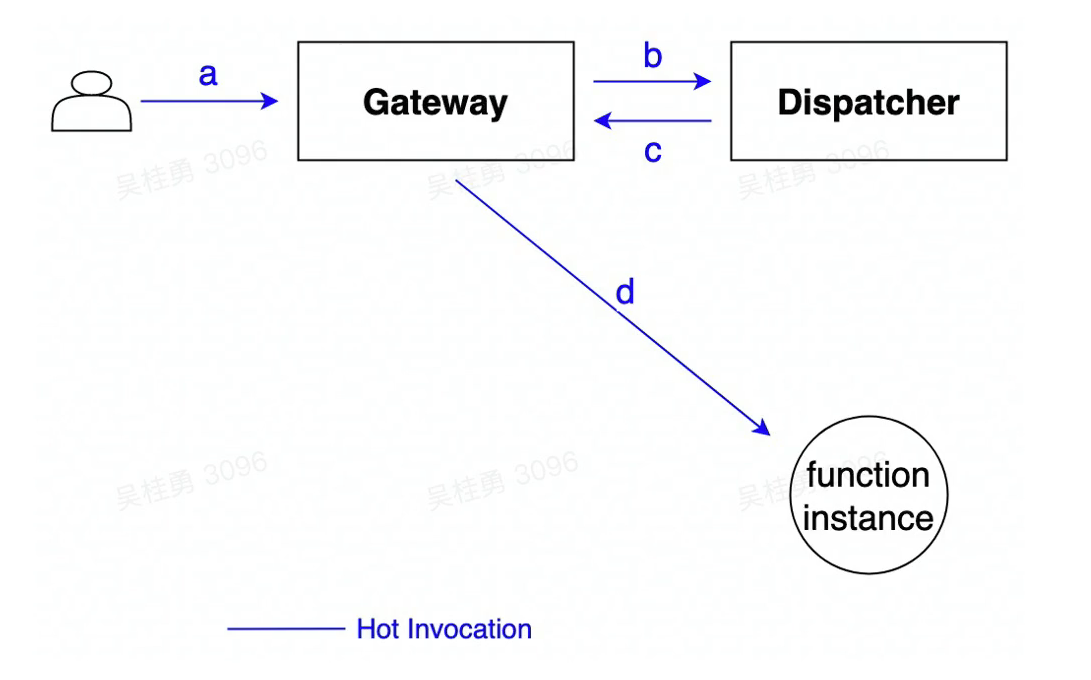
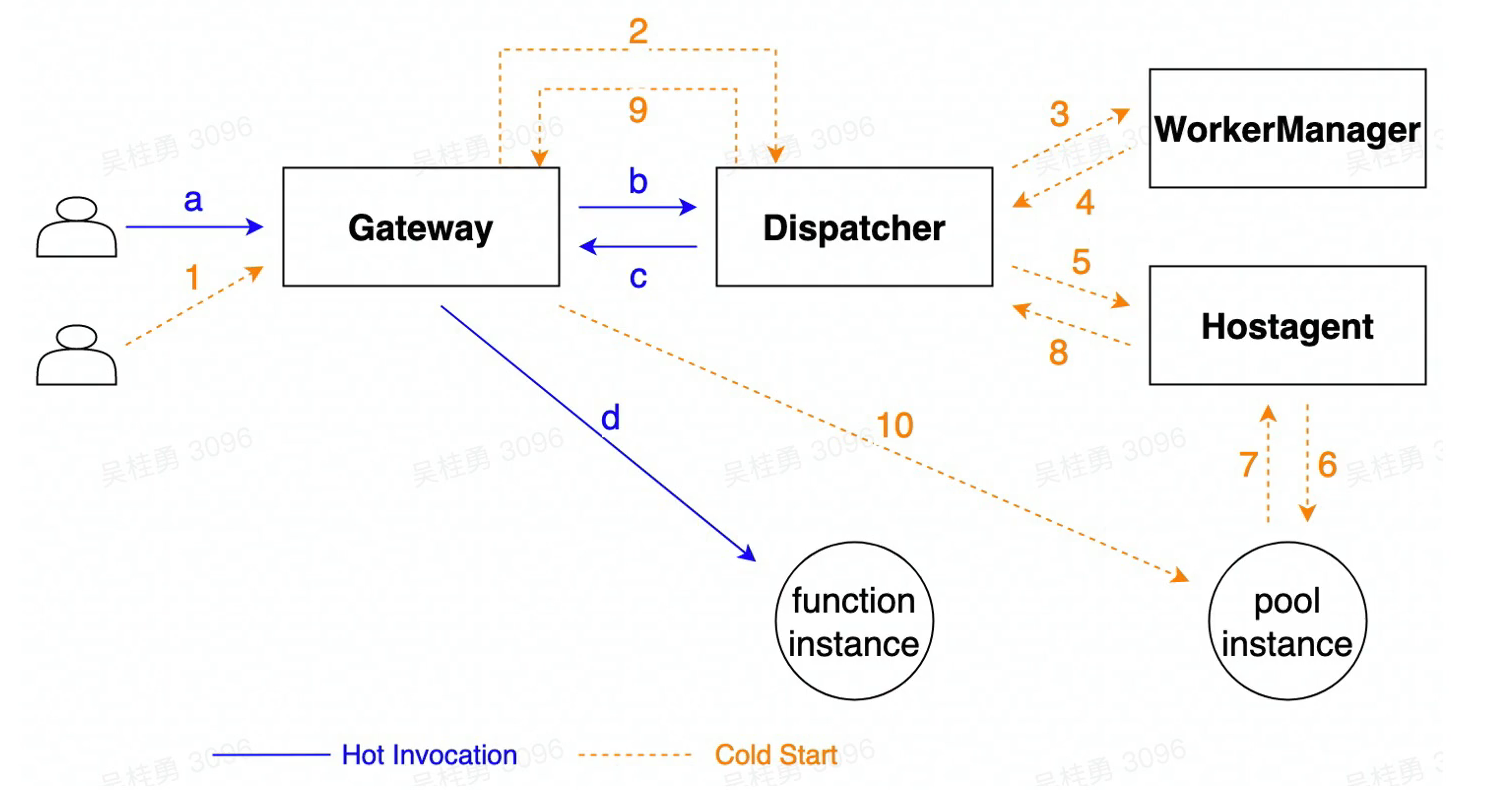
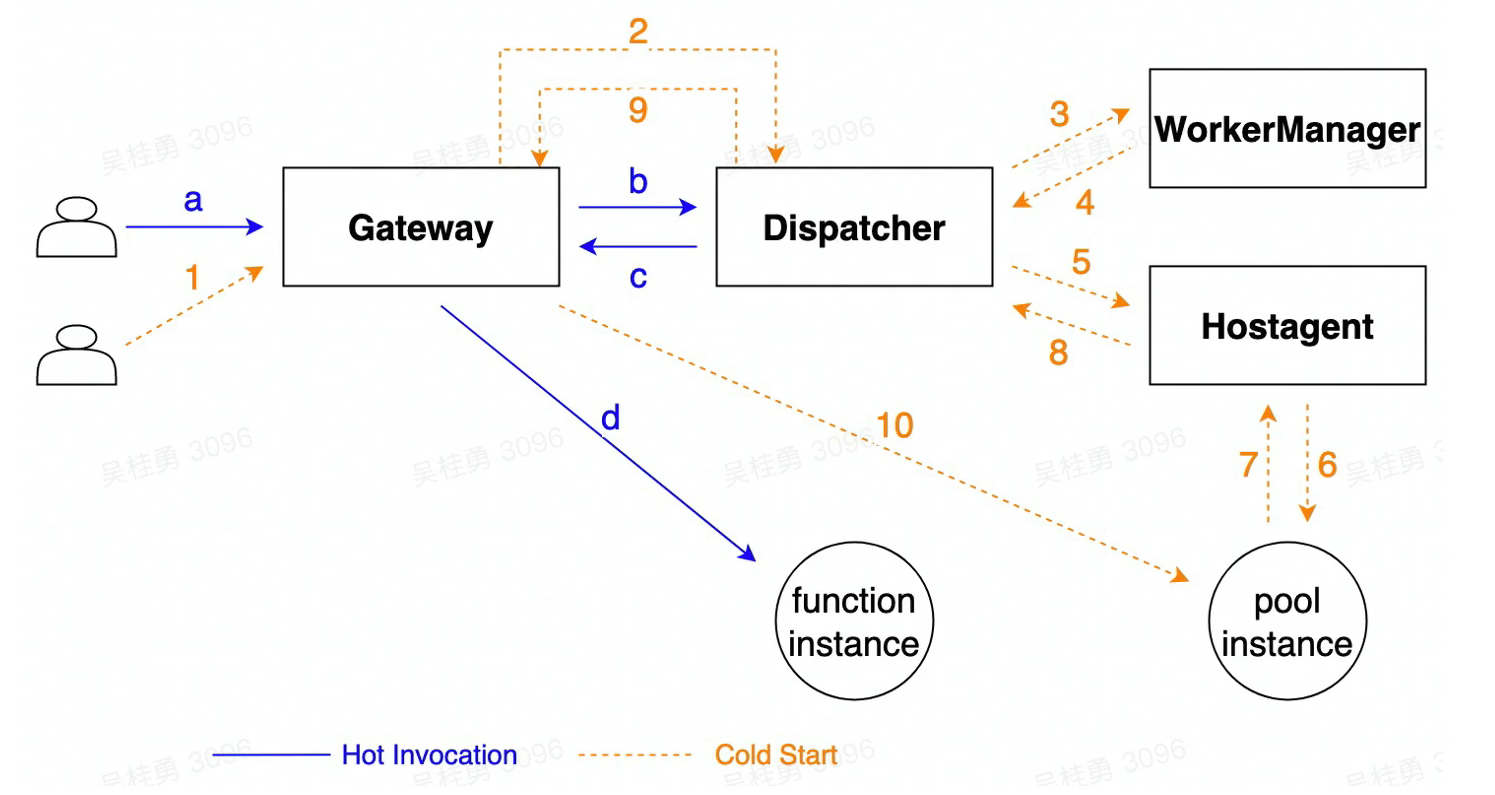
Function invocation path
- hot invocation:
- Cold start
- MQ Trigger Invocation
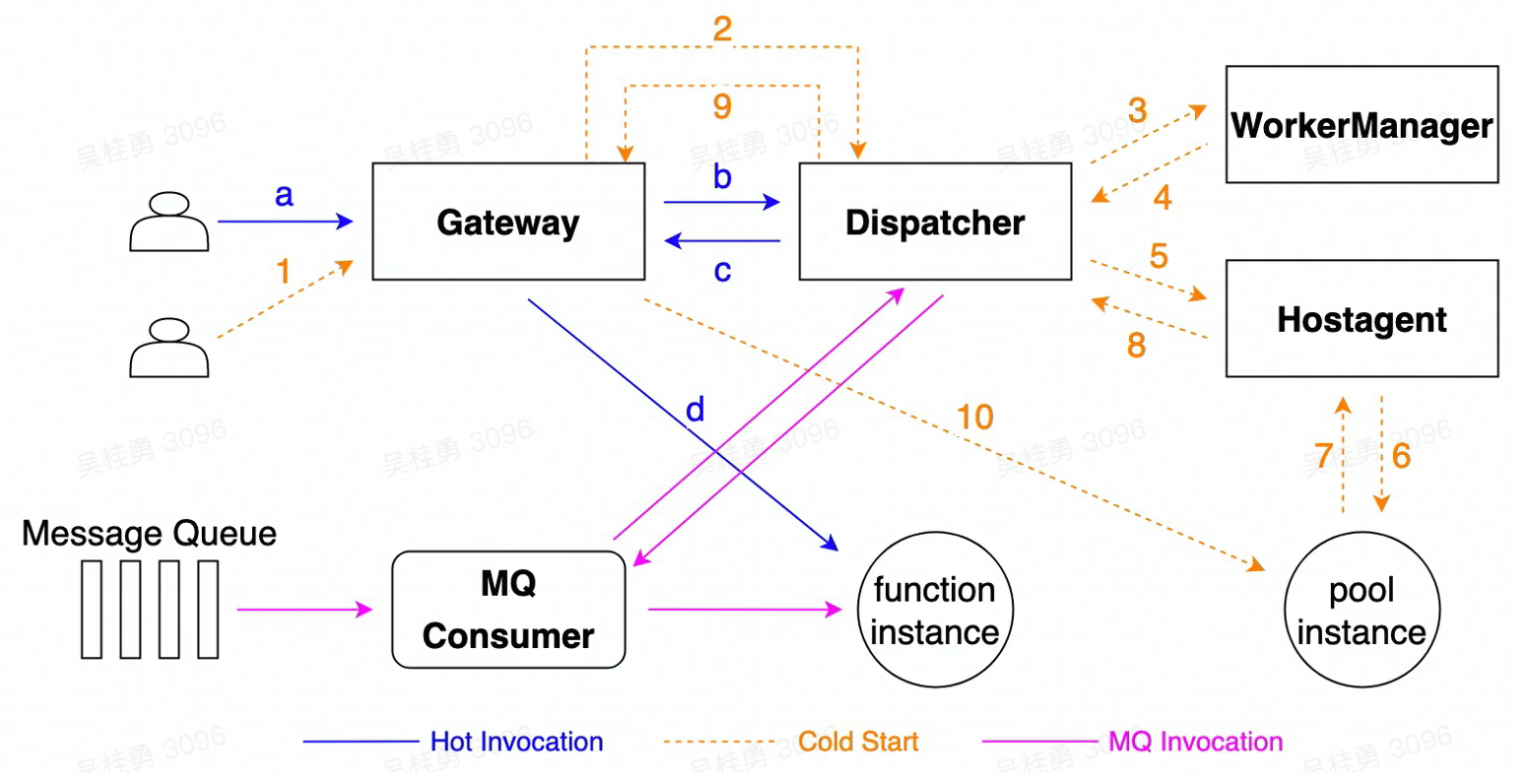
请求流量高,不需要太精确,绕过Gateway性能就高很多昂!!!
Function route management
Readiness Check & Service Discovery:
-
health check for function
- /v1/ping 200/404
-
Kubernetes readiness/liveness probe
- readiness probe: 2s * 3
- liveness probe: 45s * 3
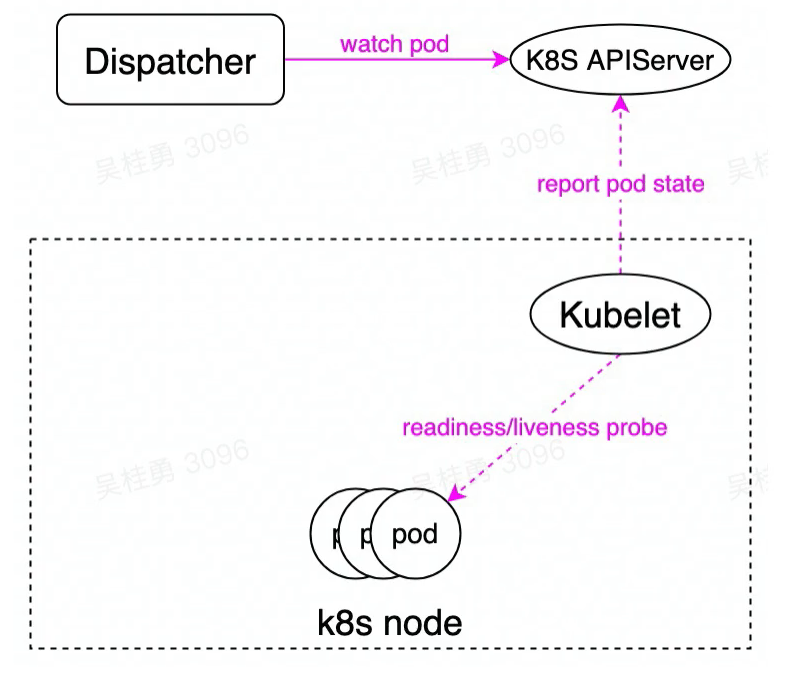
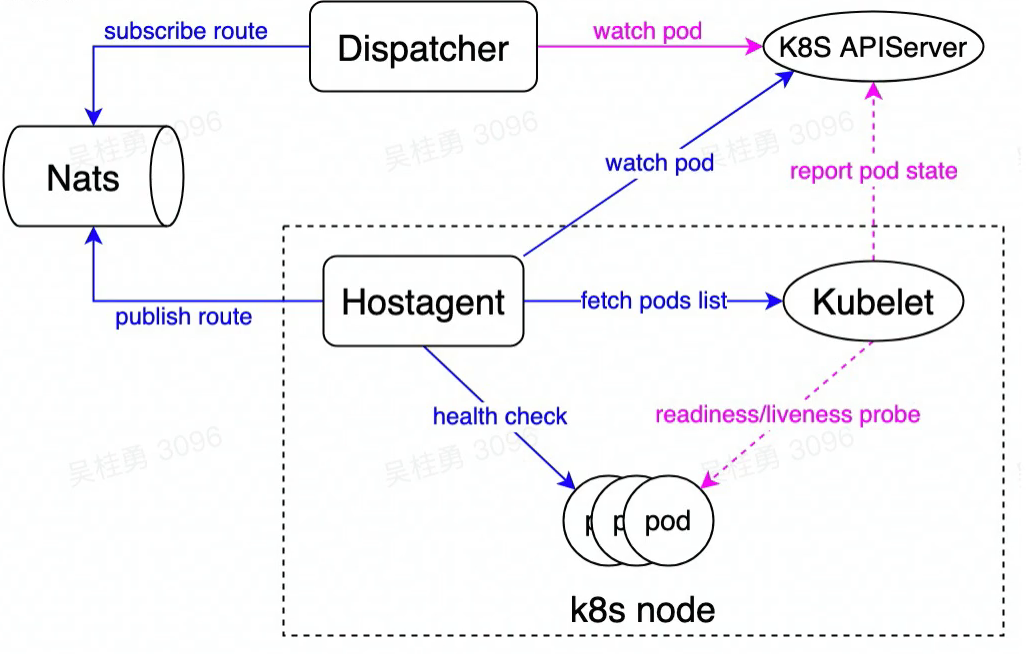
- Hostagent local health check
- tolerate kubelet failure
- pub/sub with Nats
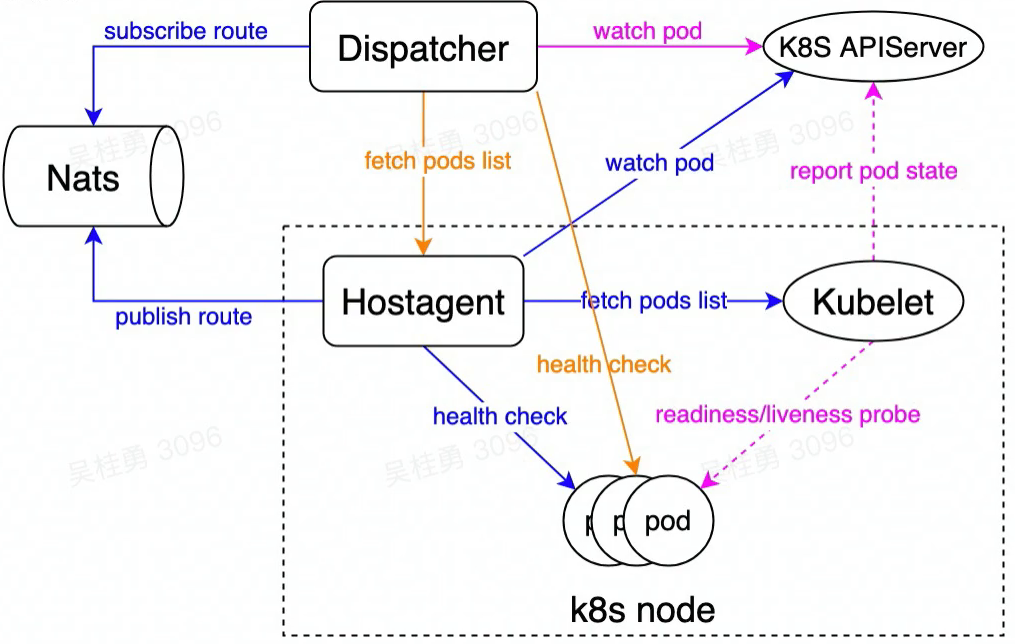
- Dispatcher remote health check
- Tolerate network isolation
Single-instance Failure Tolerance
- Circuit breaker
- Gateway and MQ trigger
- Mesh
- Single-instance fault detection and auto-migration (ongoing -> newest feature)
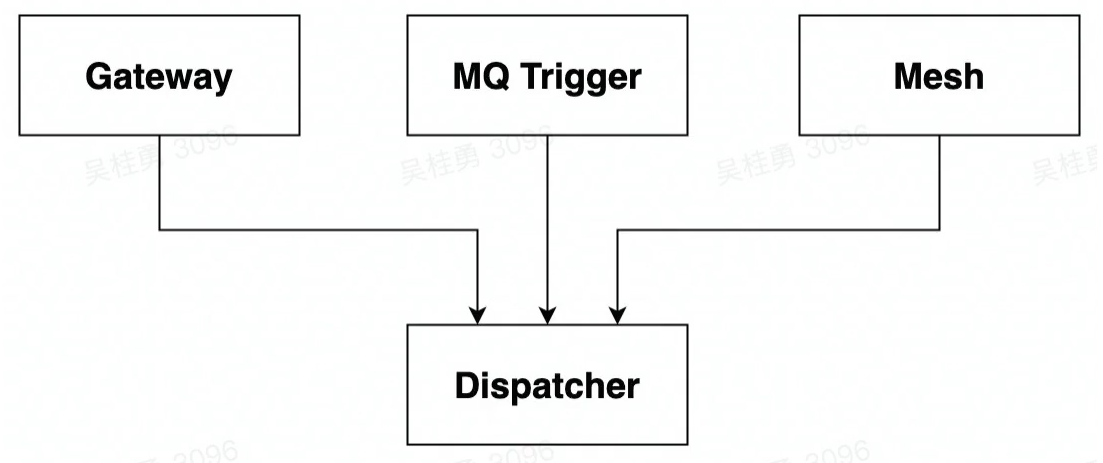
保证函数路由表中的实例是健康的昂!!!
Function invocation concurrency control
- Request concurrency
- "the number of requests the function processes simultaneously
- Concurrency limit for function
- restrict single- instance concurrency to cap the load on function instance
- restrict total request concurrency for function to prevent downstream services or database being overwhelmed
- Share/Exclusive mode
Share/Exclusive Mode
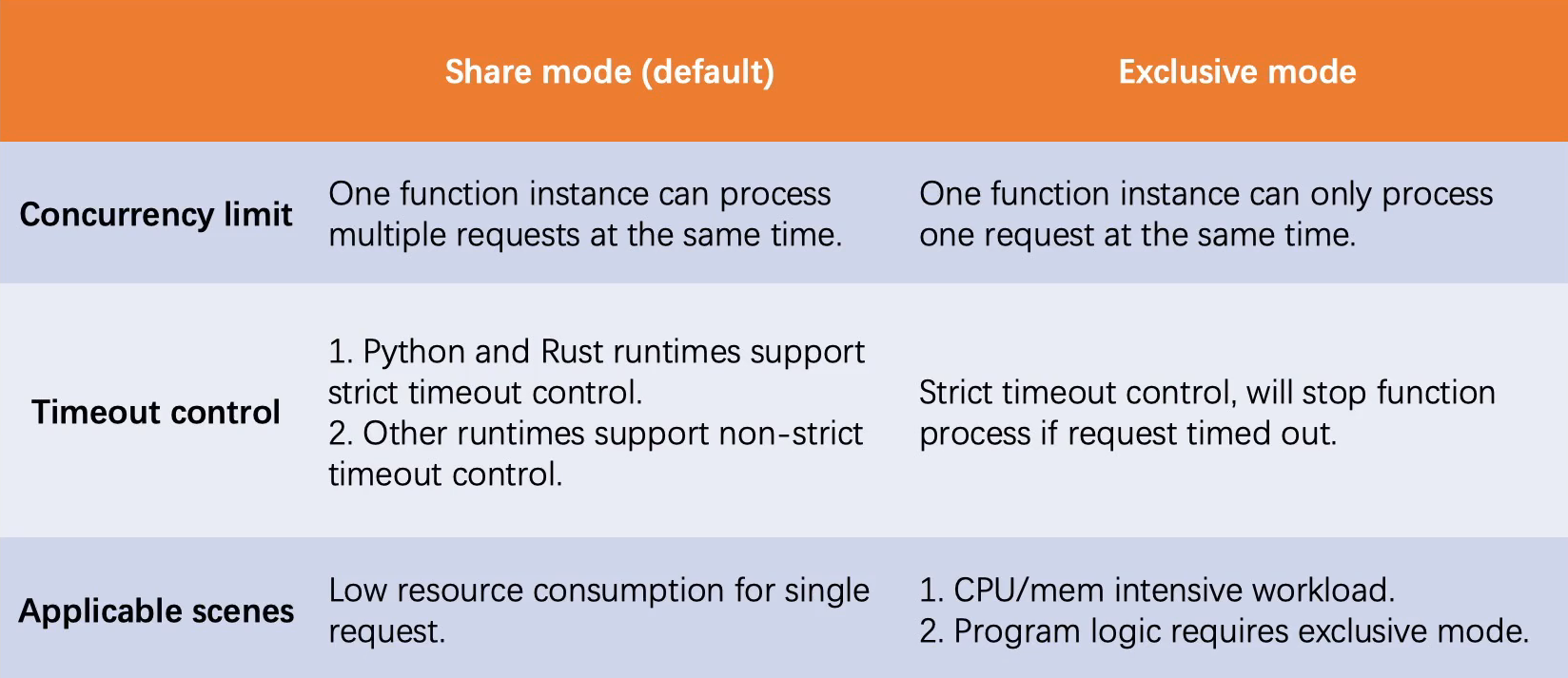
一般建议使用共享模式,单个请求资源消耗比较少,Exclusive浪费资源,不适合大流量,高并发的场景,后台压力太大了昂!!!
Concurrency control
- Pre-scaling by concurrency utilization
- faster detects the load change and scales up the function
- Concurrency awareness routing policy
- achieve load balancing among function instances
- In-memory concurrency counter & function sharding strategy
Function sharding strategy
-
Load balancing
- each server is responsible for the same number of loads.
-
Scalability
- we can add and remove servers without too much effort.
-
Lookup speed
- given a key, we can quickly identify the correct server.
-
Hash is popular!!!
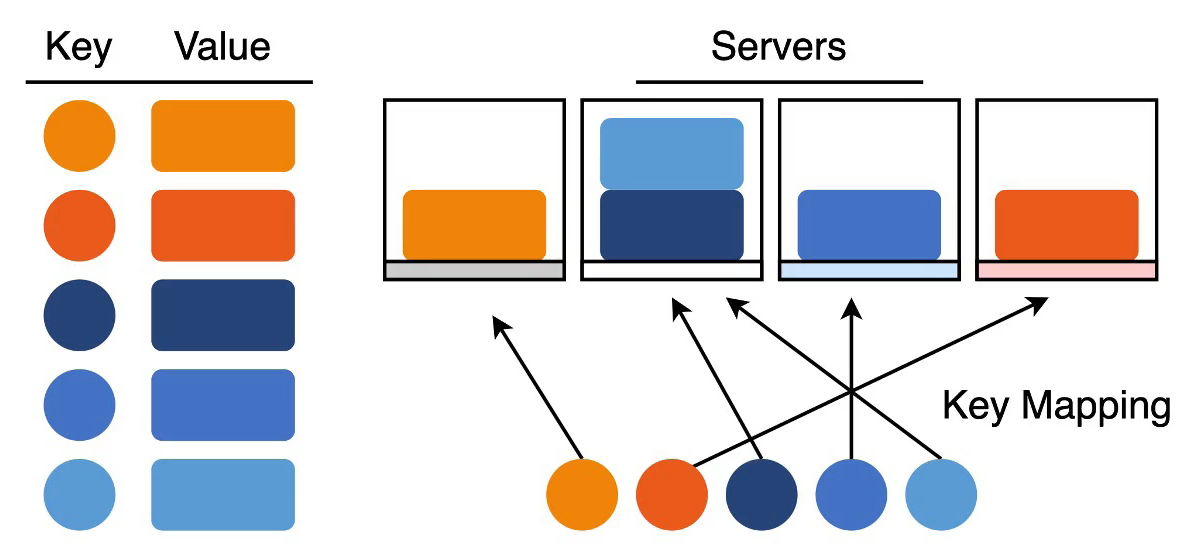
- 又是一致性Hash!!!
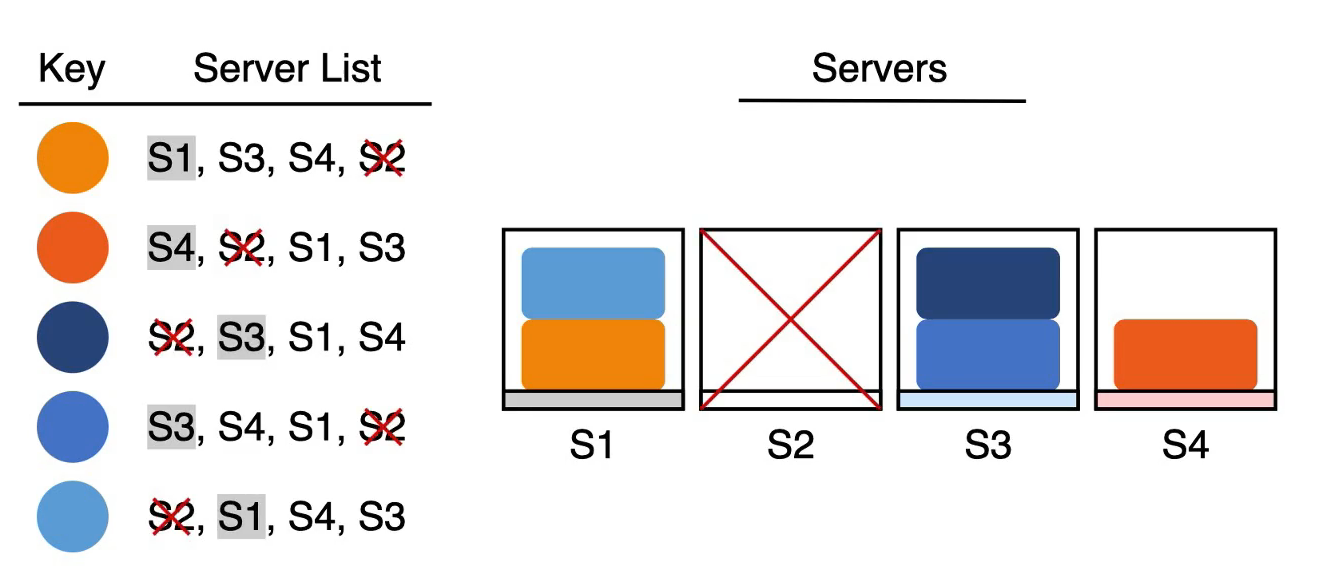
Sharding functions with Rendezvous Hashing
- each key generates a randomly sorted list of servers and chooses the first server from the list
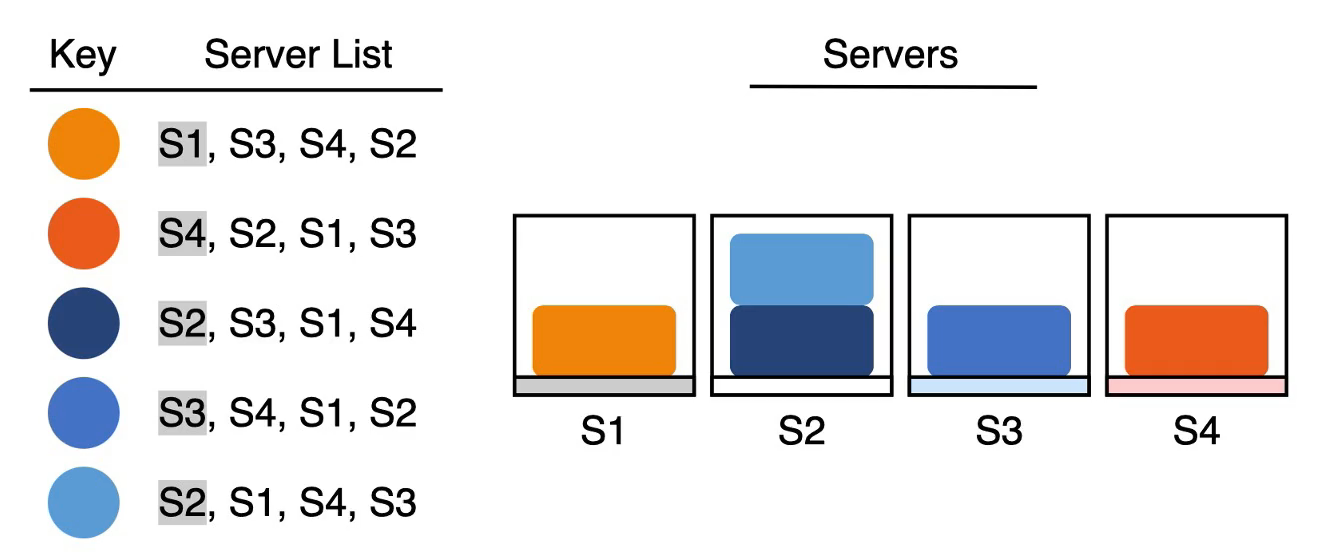
- if our first choice for a server goes offline, we simply move the key to the second server in the list
Load shedding
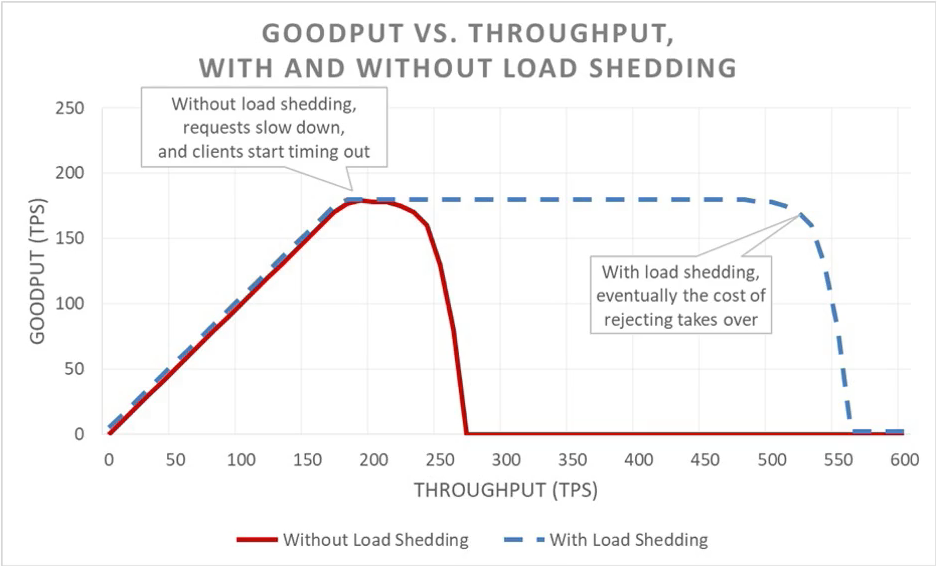
思路很简单,如果负载饱和了,有新的请求来了,我就拒绝掉呗!!!
- Prevent the system from getting overloaded
- Load shedding lets a server maintain its goodput and complete as many requests as it can, even as offered throughput increases.
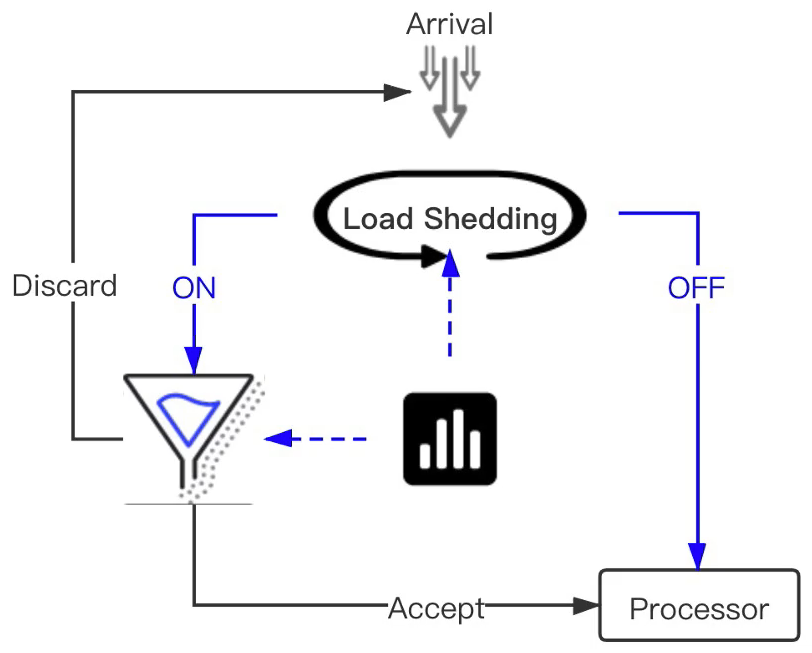
- Load shedding workflow
- check server-level metrics/counters to turn on/off load shedding
- check client-level metrics/ counters to limit request rate (choose the right victims)
Function Cold Start
why and how to cold start a function instance
-
Cold start if there is no available route concurrency
- function concurrency limit exhausted
- function is scaled down to zero
-
Cold start workflow
- take pod from warming pool
- download function code
- load function
Warming Pool Management
- Warming pool provides 'generic' standby pods
- support different runtime and protocol
- pool pods are shared by functions
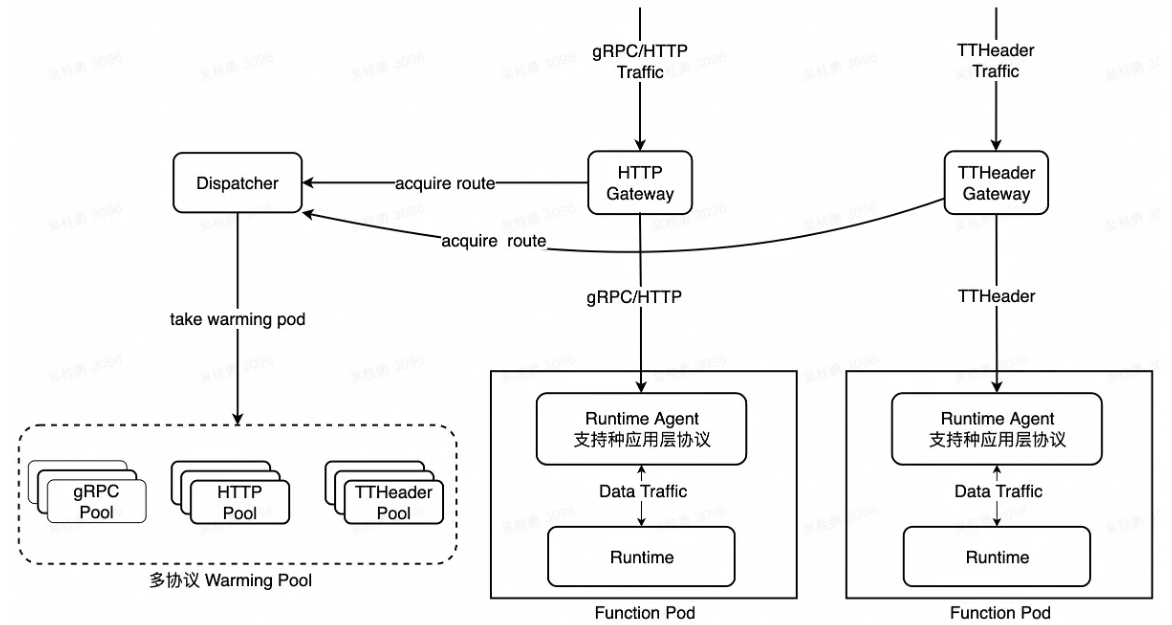
空跑一些pod,方便后面使用。只有Runtime-agent,没有具体的Function。相当于公用的资源池
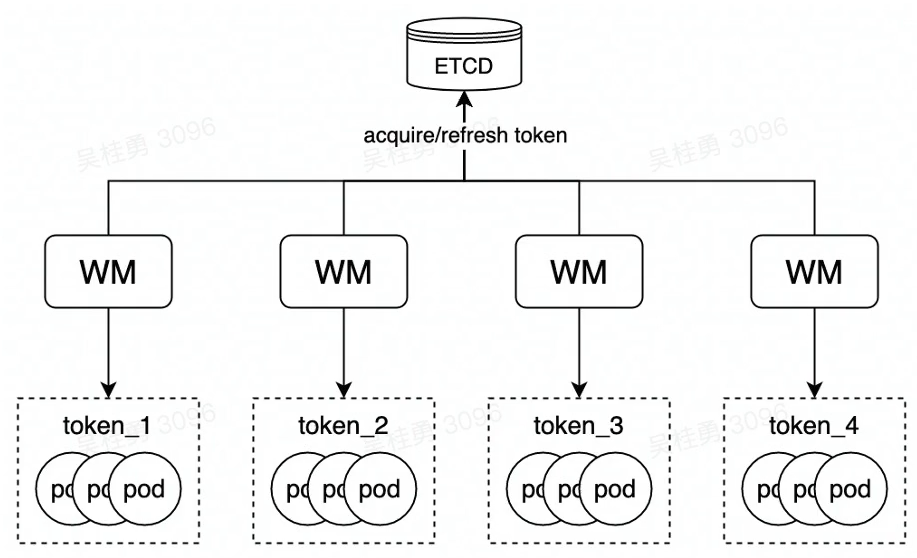
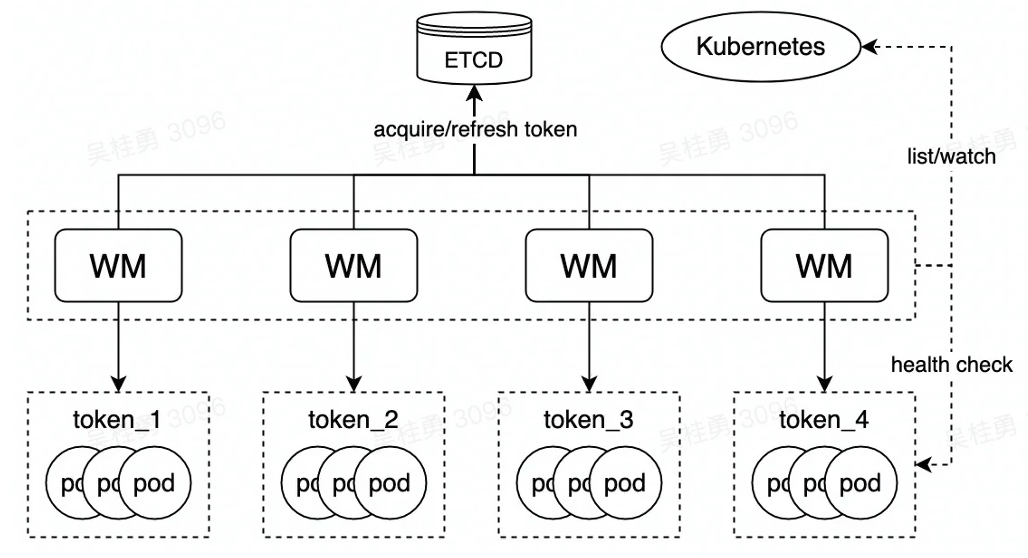
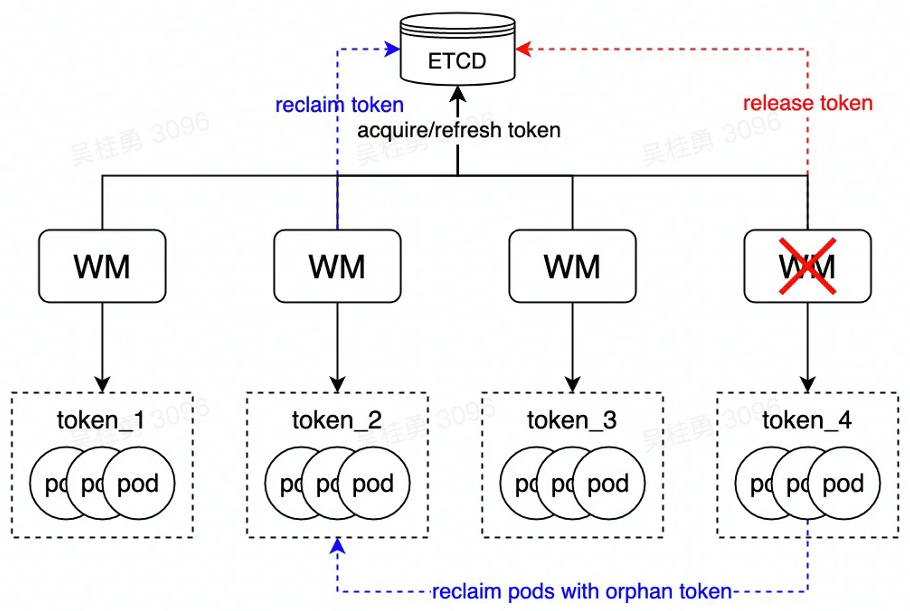
- Lease-based sharded pool management
- avoid repeated pod allocation(没给pod带有一个token,这个token就是租约,并且需要定期来续租,刷新token昂!保证一个pod只被一个WM管理,避免重复分配)
- Light-weight list/watch & health check
- pods handover when adding or removing servers
Function Code Start
-
Download function code package
- local cache > Nginx cache > Luban
-
Cache/ pre-load code to local store
- disk utilization / available size
- store metadata of historical usage
- LRU replacement policy
-
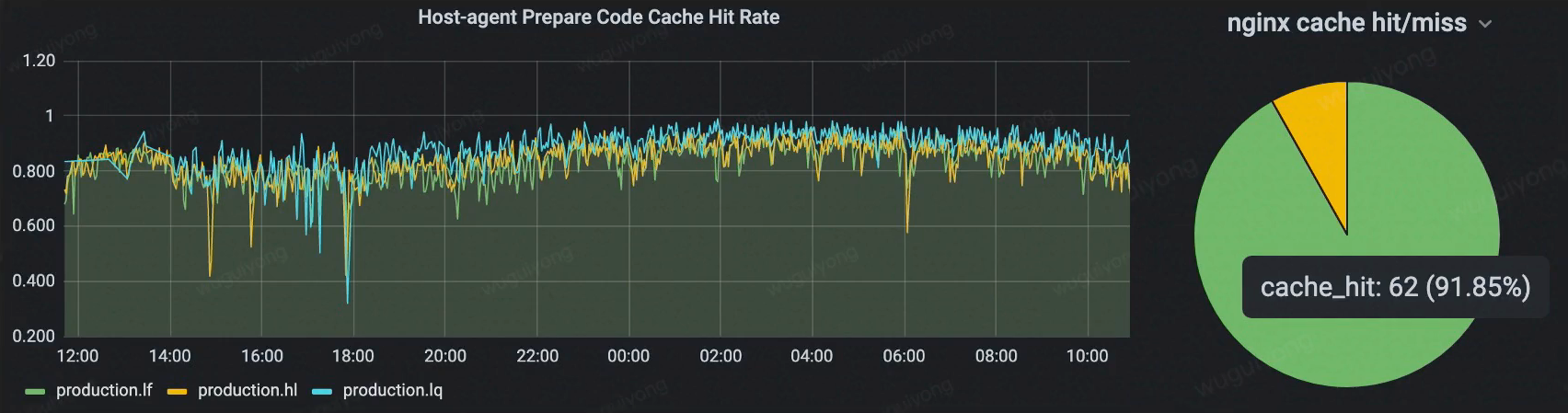
Code cache efficiency
- local cache (80~90%) > Nginx (~90%) > Luban
- improve Nginx cache scalability (ongoing)
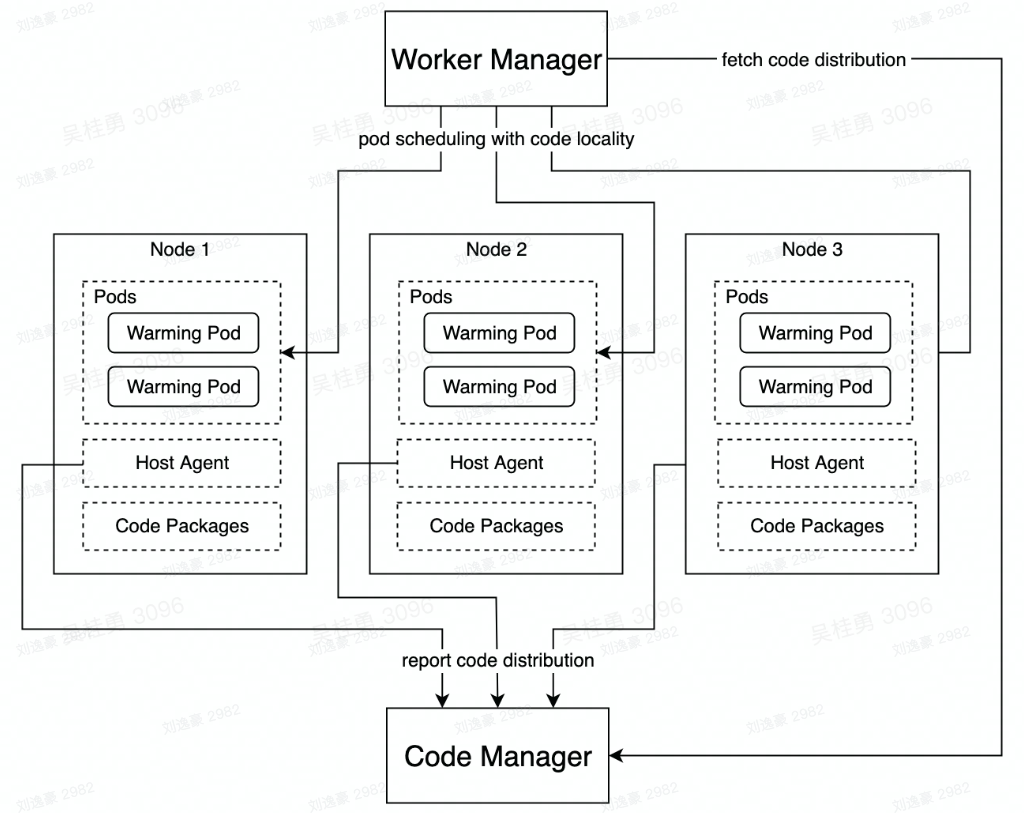
Warming Pod Scheduling
- Code distribution awareness scheduling
- report and gather code distribution
- affinity scheduling with code locality
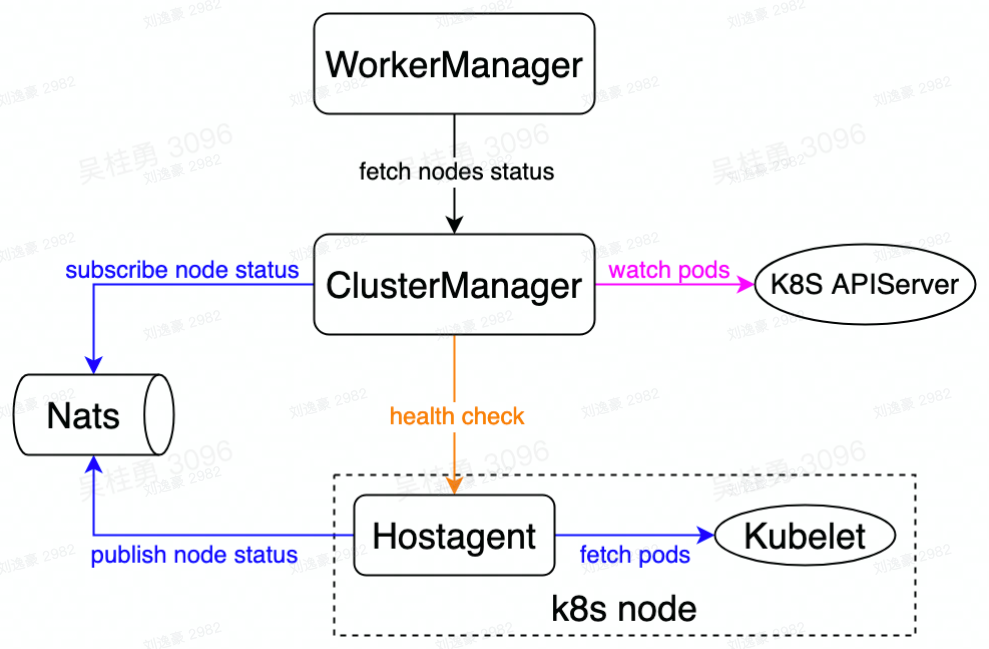
- Node state awareness scheduling
- skip pods on unhealthy nodes
Future Work
- High scalability
- high-throughput pod scheduling and launching
- high-throughput code distribution
- low-latency function loading
- High availability
- fault detection and self- -healing
- loose coupling and automatic failover
- Intelligent routing policy
- smarter traffic/ load
- control to improve QoS
- reduce ops responsibilities for users
Summary
- Function Runtime
- function runtime standard
- function instance lifecycle
- Function Routing Policy
- function route management
- function invocation concurrency control
- load shedding
- Function Cold Start
- Warming pool management
- function code management
- warming pod scheduling