// CPU的数量
static final int NCPUS = Runtime.getRuntime().availableProcessors();
// 有超时的情况自旋多少次,当CPU数量小于2的时候不自旋
static final int maxTimedSpins = (NCPUS < 2) ? 0 : 32;
// 没有超时的情况自旋多少次
static final int maxUntimedSpins = maxTimedSpins * 16;
// 针对有超时的情况,自旋了多少次后,如果剩余时间大于1000纳秒就使用带时间的LockSupport.parkNanos()这个方法
static final long spinForTimeoutThreshold = 1000L;
// 传输器,即两个线程交换元素使用的东西
private transient volatile Transferer<E> transferer;
以栈方式实现的Transferer
static final class TransferStack<E> extends Transferer<E> {
    // 栈中节点的几种类型:
    // 1. 消费者(请求数据的)
    static final int REQUEST    = 0;
    // 2. 生产者(提供数据的)
    static final int DATA       = 1;
    // 3. 二者正在匹配中
    static final int FULFILLING = 2;

    // 栈中的节点
    static final class SNode {
        // 下一个节点
        volatile SNode next;        // next node in stack
        // 匹配者
        volatile SNode match;       // the node matched to this
        // 等待着的线程
        volatile Thread waiter;     // to control park/unpark
        // 元素
        Object item;                // data; or null for REQUESTs
        // 模式,也就是节点的类型,是消费者,是生产者,还是正在匹配中
        // 其实就是判断 是消费者节点还是生产者节点
        int mode;
    }
    // 栈的头节点
    volatile SNode head;
}
以队列方式实现的Transferer
static final class TransferQueue<E> extends Transferer<E> {
    // 队列中的节点
    static final class QNode {
        // 下一个节点
        volatile QNode next;          // next node in queue
        // 存储的元素
        volatile Object item;         // CAS'ed to or from null
        // 等待着的线程
        volatile Thread waiter;       // to control park/unpark
        // 是否是数据节点
        final boolean isData;
    }

    // 队列的头节点
    transient volatile QNode head;
    // 队列的尾节点
    transient volatile QNode tail;
}
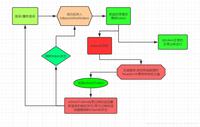
transfer 栈的方式 入栈 参数e 表示放入的数据
E transfer(E e, boolean timed, long nanos) {


    SNode s = null;
    // 判断方法是执行take 还是put
    int mode = (e == null) ? REQUEST : DATA;
    // 1 入栈 0 出栈

    for (;;)
    {
        SNode h = head;
        // 空栈
        if (h == null || h.mode == mode) // empty or same-mode
        {
            if (timed && nanos <= 0)  // can't wait
            {
                if (h != null && h.isCancelled())
                    casHead(h, h.next);     // pop cancelled node
                else
                    return null;
            }
            //  走到这里表示是空栈 没有设置超时 cas 乐观锁把head 指向栈顶元素
            // e 放入的数据  Mode 1 生产 0 消费  h栈顶元素
            // 新加入的元素成为了新的栈顶元素
            else if (casHead(h, s = snode(s, e, h, mode)))
            {
                SNode m = awaitFulfill(s, timed, nanos);
                if (m == s)
                {   // wait was cancelled
                    clean(s);
                    return null;
                }
                if ((h = head) != null && h.next == s)
                    casHead(h, s.next);     // help s's fulfiller
                return (E) ((mode == REQUEST) ? m.item : s.item);
            }
        }
        else if (!isFulfilling(h.mode)) { // try to fulfill
            if (h.isCancelled())            // already cancelled
                casHead(h, h.next);         // pop and retry
            else if (casHead(h, s=snode(s, e, h, FULFILLING|mode))) {
                for (;;) { // loop until matched or waiters disappear
                    SNode m = s.next;       // m is s's match
                    if (m == null) {        // all waiters are gone
                        casHead(s, null);   // pop fulfill node
                        s = null;           // use new node next time
                        break;              // restart main loop
                    }
                    SNode mn = m.next;
                    if (m.tryMatch(s)) {
                        casHead(s, mn);     // pop both s and m
                        return (E) ((mode == REQUEST) ? m.item : s.item);
                    } else                  // lost match
                        s.casNext(m, mn);   // help unlink
                }
            }
        } else {                            // help a fulfiller
            SNode m = h.next;               // m is h's match
            if (m == null)                  // waiter is gone
                casHead(h, null);           // pop fulfilling node
            else {
                SNode mn = m.next;
                if (m.tryMatch(h))          // help match
                    casHead(h, mn);         // pop both h and m
                else                        // lost match
                    h.casNext(m, mn);       // help unlink
            }
        }
    }
}
snode 构造元素
static SNode snode(SNode s, Object e, SNode next, int mode)
{
    if (s == null) s = new SNode(e);
    //添加还是消费
    s.mode = mode;
    // 新的元素next 指向加入前的栈顶元素
    s.next = next;
    // 返回新元素
    return s;
}
awaitFulfill
// 三个参数:需要等待的节点,是否需要超时,超时时间
SNode awaitFulfill(SNode s, boolean timed, long nanos) {
    // 到期时间
    final long deadline = timed ? System.nanoTime() + nanos : 0L;
    // 当前线程
    Thread w = Thread.currentThread();
    // 自旋次数
    int spins = (shouldSpin(s) ?
                 (timed ? maxTimedSpins : maxUntimedSpins) : 0);
    for (;;) {
        // 当前线程中断了,尝试清除s
        if (w.isInterrupted())
            s.tryCancel();

        // 检查s是否匹配到了元素m(有可能是其它线程的m匹配到当前线程的s)
        SNode m = s.match;
        // 如果匹配到了,直接返回m
        if (m != null)
            return m;

        // 如果需要超时
        if (timed) {
            // 检查超时时间如果小于0了,尝试清除s
            nanos = deadline - System.nanoTime();
            if (nanos <= 0L) {
                s.tryCancel();
                continue;
            }
        }
        if (spins > 0)
            // 如果还有自旋次数,自旋次数减一,并进入下一次自旋
            spins = shouldSpin(s) ? (spins-1) : 0;

        // 后面的elseif都是自旋次数没有了
        else if (s.waiter == null)
            // 如果s的waiter为null,把当前线程注入进去,并进入下一次自旋
            s.waiter = w; // establish waiter so can park next iter
        else if (!timed)
            // 如果不允许超时,直接阻塞,并等待被其它线程唤醒,唤醒后继续自旋并查看是否匹配到了元素
            LockSupport.park(this);
        else if (nanos > spinForTimeoutThreshold)
            // 如果允许超时且还有剩余时间,就阻塞相应时间
            LockSupport.parkNanos(this, nanos);
    }
}

    // SNode里面的方向,调用者m是s的下一个节点
    // 这时候m节点的线程应该是阻塞状态的
    boolean tryMatch(SNode s) {
        // 如果m还没有匹配者,就把s作为它的匹配者
        if (match == null &&
            UNSAFE.compareAndSwapObject(this, matchOffset, null, s)) {
            Thread w = waiter;
            if (w != null) {    // waiters need at most one unpark
                waiter = null;
                // 唤醒m中的线程,两者匹配完毕
                LockSupport.unpark(w);
            }
            // 匹配到了返回true
            return true;
        }
        // 可能其它线程先一步匹配了m,返回其是否是s
        return match == s;
    }