

1. 概念
将一个类的接口变换成客户端所期待的另一种接口,从而使原本因接口不匹配而无法在一起工作的两个类能够在一起工作。
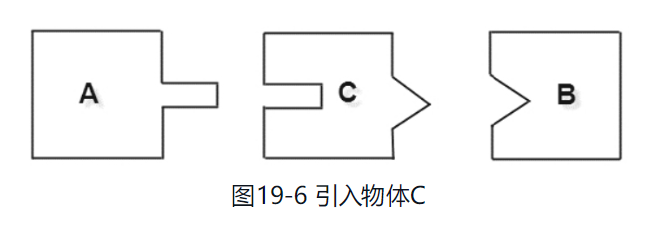
适配器模式是一个补偿模式,或者说是一个“补救”模式,通常用来解决接口不相容的问题
2. 类适配器
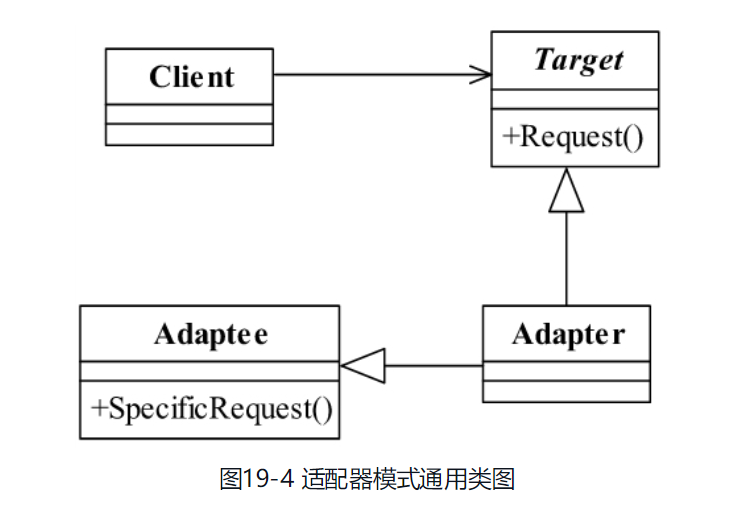
// 已存在的、具有特殊功能、但不符合我们既有的标准接口的类
class Adaptee {
    public void specificRequest() {
        System.out.println("被适配类 具有特殊功能...");
    }
}
// 目标接口,或称为标准接口
interface Target {
    public void request();
}
// 具体目标类,只提供普通功能
class ConcreteTarget implements Target {
    public void request() {
        System.out.println("普通类 具有普通功能...");
    }
}
// 适配器类,继承了被适配类,同时实现标准接口
class Adapter extends Adaptee implements Target{
    public void request() {
        super.specificRequest();
    }
}
// 测试类
public class Client {
    public static void main(String[] args) {
        // 使用普通功能类
        Target concreteTarget = new ConcreteTarget();//实例化一个普通类
        concreteTarget.request();

        // 使用特殊功能类,即适配类
        Target adapter = new Adapter();
        adapter.request();
    }
}
3. 对象适配器
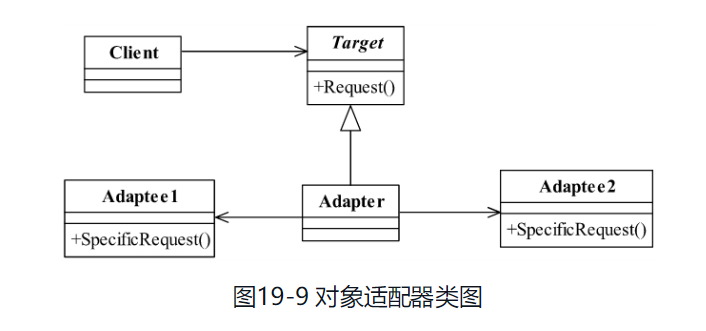
// 适配器类,直接关联被适配类,同时实现标准接口
class Adapter implements Target{
    // 直接关联被适配类(组合)
    private Adaptee adaptee;

    // 可以通过构造函数传入具体需要适配的被适配类对象
    public Adapter (Adaptee adaptee) {
        this.adaptee = adaptee;
    }

    public void request() {
        // 这里是使用委托的方式完成特殊功能
        this.adaptee.specificRequest();
    }
}
// 测试类
public class Client {
    public static void main(String[] args) {
        // 使用普通功能类
        Target concreteTarget = new ConcreteTarget();
        concreteTarget.request();

        // 使用特殊功能类,即适配类,
        // 需要先创建一个被适配类的对象作为参数
        Target adapter = new Adapter(new Adaptee());
        adapter.request();
    }
}
4. 比较
对象适配器和类适配器的区别是:类适配器是类间继承,对象适配器是对象的合成关系,也可以说是类的关联关系,这是两者的根本区别。二者在实际项目中都会经常用到,由于对象适配器是通过类间的关联关系进行耦合的,因此在设计时就可以做到比较灵活,比如修补源角色的隐形缺陷,关联其他对象等,而类适配器就只能通过覆写源角色的方法进行扩展,在实际项目中,对象适配器使用到场景相对较多。
