工厂模式
<!-- 批量生产具有相同属性的产品 -->
简单工厂模式
/**
  * @description: 制造咖啡
  * @param { dom:咖啡豆  water:水 }
   * @return: 咖啡  */
class makeCoffe{
     constructor(dom,water){
         this.obj = new Object()
         this.obj.dom = dom
         this.obj.water = water
         this.obj.bili = dom/water
    }
    make(){
         return this.obj
   }
}

const coffee = new makeCoffe(2,3)
console.log( coffee.make() )
复杂工厂模式 - es5
/**
  * @description: 制造咖啡
  * @param { dom:咖啡豆  water:水 }
  * @return: 咖啡*/
function FruitMater(){}
FruitMater.prototype.make = function( type,meta ) {
     /* 判断是否具备生产能力 */
     if ( typeof this[type] === 'function' ) {
          let func = this[type]
          func.prototype = FruitMater.prototype     /* 改变this指向 */
          return new func( meta )
     } else {
          throw  new Error('很抱歉,工厂不能生产该产品')   /* 抛出异常 */
     }
}
FruitMater.prototype.extend = function( obj ) {      /* 生产线扩展 */
        for ( let key in obj ) {
             this[key] = obj[key]
        }
}
FruitMater.prototype.extend({                  /* 设计生产线 */
       "Apple":function(meta){
               console.log("生产一杯苹果汁",meta)
         },
       "Pear":function(meta){
             console.log("生产一杯梨子汁",meta)
        }
 })
const maker = new FruitMater(),
      apple = maker.make( 'Apple', "一个苹果一杯水")
单例模式
整个程序中一个类只有一个实例对象
全局只有一个对象
避免重复删除、创建
一:全局变量
let instance = null function Tool(){ if( instance ) return instance /* 第一次会走下面语句 * 第二次及以后,直接return instance */ instance = this this.name = "sjx" } const t1 = new Tool(), t2 = new Tool() console.log( t1===t2) // true缺点:任何人都可以访问和修改 instance
二:即时函数
( function(w){
     let instance = null
     function Tool(){
           if( instance ) return instance
           instance = this
           this.name = "sjx"
     }
     w.Tool = Tool
})(window)
三:惰性函数
function Tool(){
let instance = this,
oldPrototype = Tool.prototype
this.name = "sjx"
Tool = function(){ // 第一次执行赋值,修改函数指向,以后返回instance
return instance
}
Tool.prototype = oldPrototype // Tool的原型指向旧的 prototype
instance = new Tool()
instance.constructor = Tool // 新建实例 instance.__proto__constructor 指向Tool
return instance
}
const t1 = new Tool(),
t2 = new Tool()
Tool.prototype.run = () => console.log("hhh")
console.log( t1===t2)
t1.run()策略模式
/* * @Description: 根据后台返回字段,确定商城劵的类型
* @Autor: 孙佳星
* @params: 字段 interestFreeEffect | amountEffect | rateEffect
*/
const strategies = {
"interestFreeEffect": () => <span>免息券</span>,
"amountEffect": () => <span>满减券</span>,
"rateEffect":() => <span>折扣券</span>
},calculateBonus = mode => strategies[mode]()
<Descriptions.Item label="优惠券类型">{
detail.discountEffectSelect && calculateBonus(detail.discountEffectSelect)
} </Descriptions.Item>发布订阅模式
const lk = {
   typeTargetAction:{},
   // 添加用户
   addUser: function ( type, target, action ) {
        if( typeof this.typeTargetAction[type] === "undefined"){  // 判断用户有没有该类型
           this.typeTargetAction[type] = []    // 之所以为数组,是因为一个类型,可能有多个用户
        }
        // 创建对象
        const obj = { target, action}
        this.typeTargetAction[type].push( obj )
     },
     // 发布订阅
     publishMsg: function( type, msgContent ) {
         const targetAction = this.typeTargetAction[type] || []
         for ( const i = 0,len = targetAction.length; i<len; i++ ) {
            const obj = targetAction[i],
                  target = obj.target,
                  action = obj.action
            action.call( target, msgContent)
         }
     }
}
// 新建两个对象
  const stu1 = { name:"sjx" },
        stu2 = { name:"lj" }

  lk.addUser("React", stu1, function( msgContent){
      console.log( this.name,msgContent,"推送消息")
  })
  lk.addUser("Vue", stu2, function(msgContent ){
      console.log( this.name, msgContent,"推送消息" )
  })

  lk.publishMsg("React","React框架")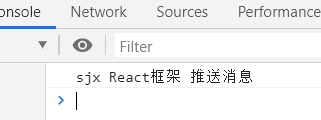
const Admin = function() {}
Admin.prototype.start = function() {}
Admin.prototype.end = function() {}

const myAdmin = new Admin()
myAdmin.start()
const Admin = function () {}
Admin.prototype = {
     start: function() {},
     end: function () {}
}
Function.prototype.method = function( name , fn ) { /* 为类添加方法 */
this.prototype[name] = fn
}
const Admin = function () {}
Admin.method( "start", function(){
})
Admin.method( "end", function(){
})Function.prototype.method = function( name , fn ) { /* 为类添加方法 */
this.prototype[name] = fn
return this
}
const Admin = function () {}
Admin.method( "start", function(){
}).method( "end", function(){
})