

树的概念
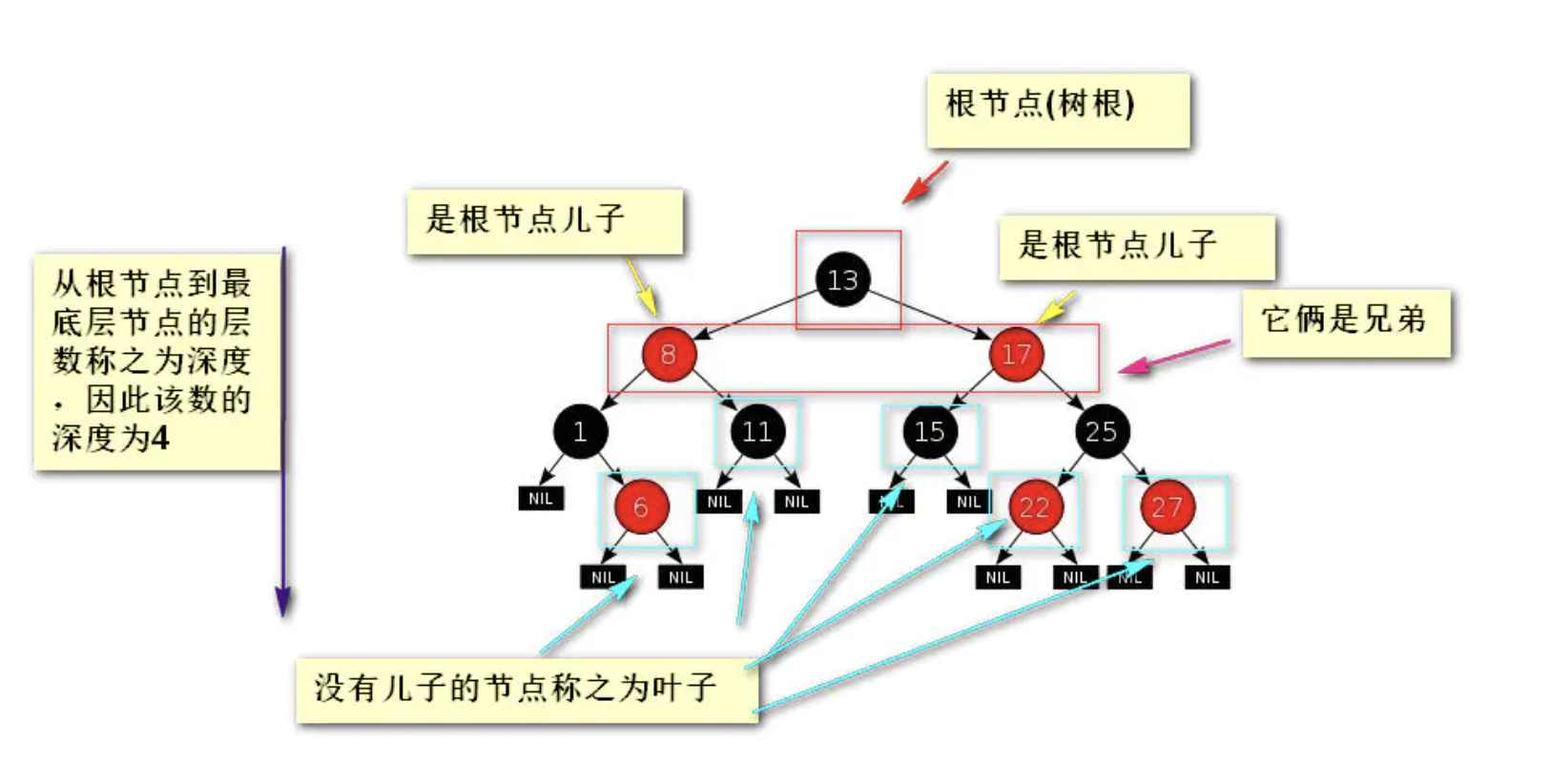
- 度:节点拥有子树的个数
二叉树
- 如果一棵树每个节点的度小于等于2,那就是二叉树。其子树分为左子树和右子树。
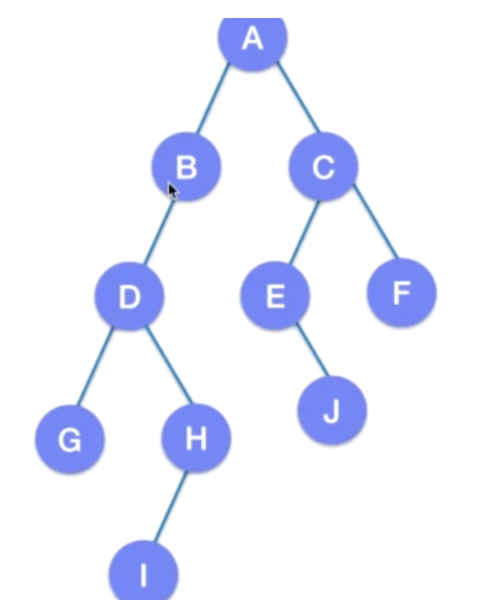
特殊的二叉树
-
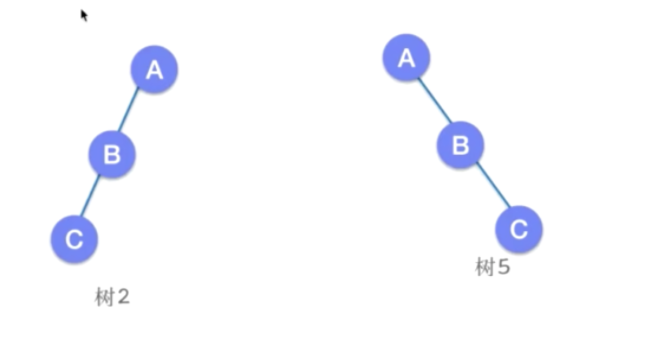
斜树
-
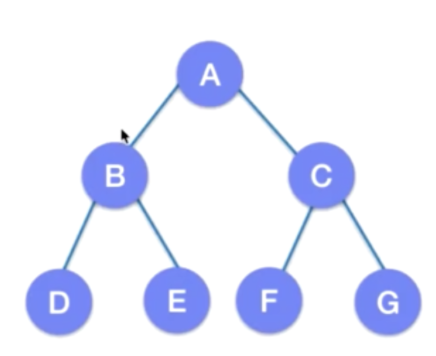
满二叉树 每一个节点都有两个节点,而叶子节点都在处于同一层
-
完全二叉树
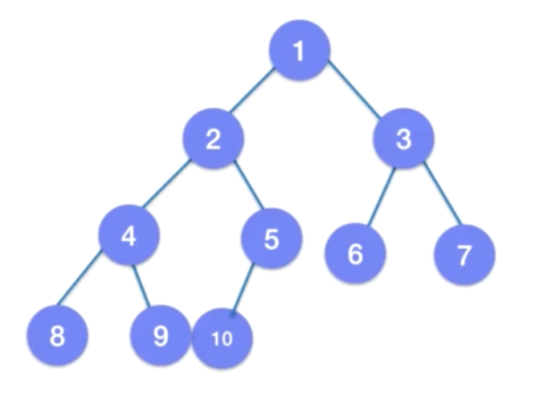
二叉树的存储
这里以链式存储为例
#include <stdio.h>
#include "stdlib.h"
#include "string.h"
#include "math.h"
#include "time.h"

#define OK 1
#define ERROR 0
#define TRUE 1
#define FALSE 0

/* 存储空间初始分配量 */
#define MAXSIZE 100
/* Status是函数的类型,其值是函数结果状态代码,如OK ERROR等 */
typedef int Status;

#pragma mark 二叉树的构造
int indexs = 1;
typedef char String[24];//0号单元存放的长度
String str;
Status StrAssign(String T,char *chars) {
    int i;
    if (strlen(chars) > MAXSIZE) {
        return ERROR;
    } else {
        T[0] = strlen(chars);//0号单元存放串的长度
        for (i = 1; i <= T[0]; i++) {
            T[i] = *(chars+i-1);
        }
        return OK;
    }
}

typedef char Element;
Element Nil = ' ';//字符型以空格符为空
typedef struct BiNode {//节点结构
    Element data;//数据节点
    struct BiNode *lchild,*rchild;//左右孩子指针
} BiNode,*BiTree;


//创建二叉树
//按前序输入二叉树的中节点值(字符),#表示空树
void BiTree_Create(BiTree *T) {
    Element ele;
    //获取字符串
    ele = str[indexs++];

    //判断当前字符是否为“#”
    if (ele == '#') {
        *T = NULL;
    } else {
        //创建新节点
        *T = (BiTree)malloc(sizeof(BiNode));
        //是否创建成功
        if (!*T) {
            exit(OVERFLOW);
        }

        //生成根节点
        (*T)->data = ele;
        BiTree_Create(&(*T)->lchild);/* 构造左子树 */
        BiTree_Create(&(*T)->rchild);/* 构造右子树 */
    }
}

//构建空树T
Status BiTree_InitEmpty(BiTree *T) {
    *T = NULL;
    return OK;
}

//是否为空树
Status BiTree_IsEmpty(BiTree T) {
    if (T) {
        return FALSE;
    } else {
        return TRUE;
    }
}

//销毁二叉树
void BiTree_Destroy(BiTree *T) {
    if (*T) {
        if ((*T)->lchild) {
            BiTree_Destroy(&(*T)->lchild);/* 销毁左孩子子树 */
        }

        if ((*T)->rchild) {
            BiTree_Destroy(&(*T)->rchild);/* 销毁左孩子子树 */
        }

        free(*T);//释放根节点
        *T = NULL;//空指针赋值0
    }
}

//树的深度
int BiTree_Deep(BiTree T) {
    int i,j;
    if (!T) {
        return 0;
    }
    //计算左孩子的深度
    if (T->lchild) {
        i = BiTree_Deep(T->lchild);
    } else {
        i = 0;
    }

    //计算右孩子的深度
    if (T->rchild) {
        j = BiTree_Deep(T->rchild);
    } else {
        j = 0;
    }

    //比较深度
    return i > j ? i +1 : j +1;
}

//二叉树的根data
Element BiTree_Root(BiTree T) {
    if (T) {
        return T->data;
    } else  {
        return Nil;
    }
}

int main(int argc, const char * argv[]) {
    // insert code here...
    printf("二叉树链式存储结构实现!\n");

    int i;
    BiTree T;
    BiTree_InitEmpty(&T);

    StrAssign(str,"ABDH#K###E##CFI###G#J##");

    Element rootData = BiTree_Root(T);
    printf("二叉树的根为: %c\n",rootData);

    printf("\n前序遍历二叉树:");
    BiTree_TraversePre(T);

    printf("\n中序遍历二叉树:");
    BiTree_TraverseMid(T);

    printf("\n后序遍历二叉树:");
    BiTree_TraverseSuf(T);

    printf("\n");

    return 0;
}
打印
二叉树链式存储结构实现!
二叉树是否为空0(1:是 0:否),树的深度=5
二叉树的根为: A


后序遍历二叉树:KHDEBIFJGCA
二叉树的遍历
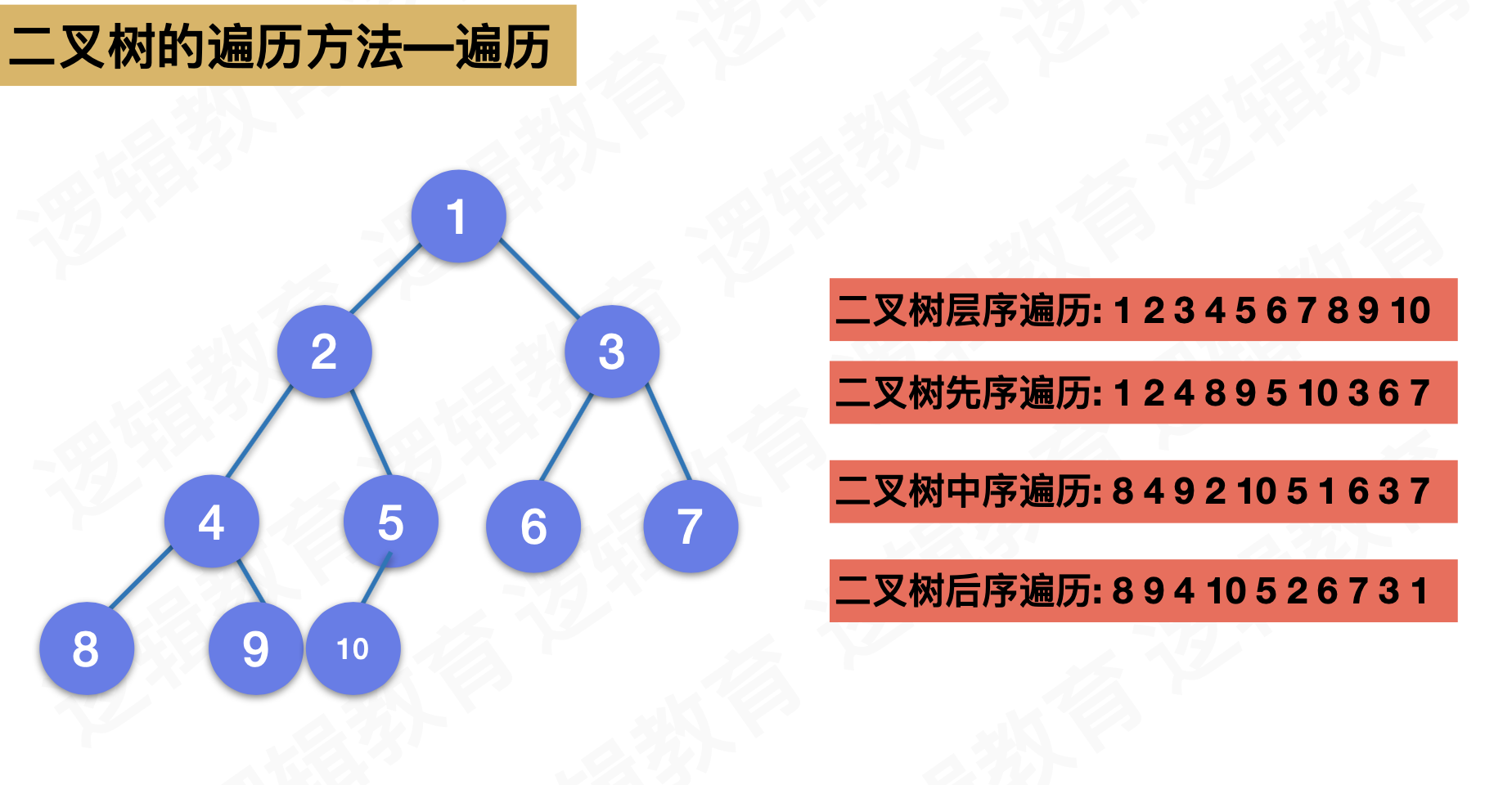
遍历顺序有下面几种
- 前序:父节点->左子树->右子树,父节点在前
//遍历-前序  父节点->左子树->右子树
void BiTree_TraversePre(BiTree T) {
    if (T == NULL) {
        return;
    }
    printf("%c",T->data);//打印当前节点值-父节点
    BiTree_TraversePre(T->lchild);//先遍历左子树
    BiTree_TraversePre(T->rchild);//先遍历右子树
}
前序遍历二叉树:ABDHKECFIGJ
- 中序:左子树->父节点->右子树,父节点在中
//遍历-中序  左子树->父节点->右子树
void BiTree_TraverseMid(BiTree T) {
    if (T == NULL) {
        return;
    }
    BiTree_TraverseMid(T->lchild);//先遍历左子树
    printf("%c",T->data);//打印当前节点值-父节点
    BiTree_TraverseMid(T->rchild);//先遍历右子树
}
中序遍历二叉树:HKDBEAIFCGJ
- 后序:左子树 -> 右子树 ->父节点,父节点在后
//遍历-后序  左子树->右子树->父节点
void BiTree_TraverseSuf(BiTree T) {
    if (T == NULL) {
        return;
    }
    BiTree_TraverseSuf(T->lchild);//先遍历左子树
    BiTree_TraverseSuf(T->rchild);//后遍历右子树
    printf("%c",T->data);//打印当前节点值-父节点
}
- 层序遍历:一层层遍历,一般需要用到队列
- 遍历总结:
- 前序:父节点->左子树->右子树,父节点在前
- 中序:左子树->父节点->右子树,父节点在中
- 后序:左子树 -> 右子树 ->父节点,父节点在后
- 层序遍历:一层层遍历,一般需要用到队列
线索二叉树
在二叉树的结点上加上线索的二叉树称为线索二叉树,对二叉树以某种遍历方式(如先序、中序、后序或层次等)进行遍历,使其变为线索二叉树的过程称为对二叉树进行线索化
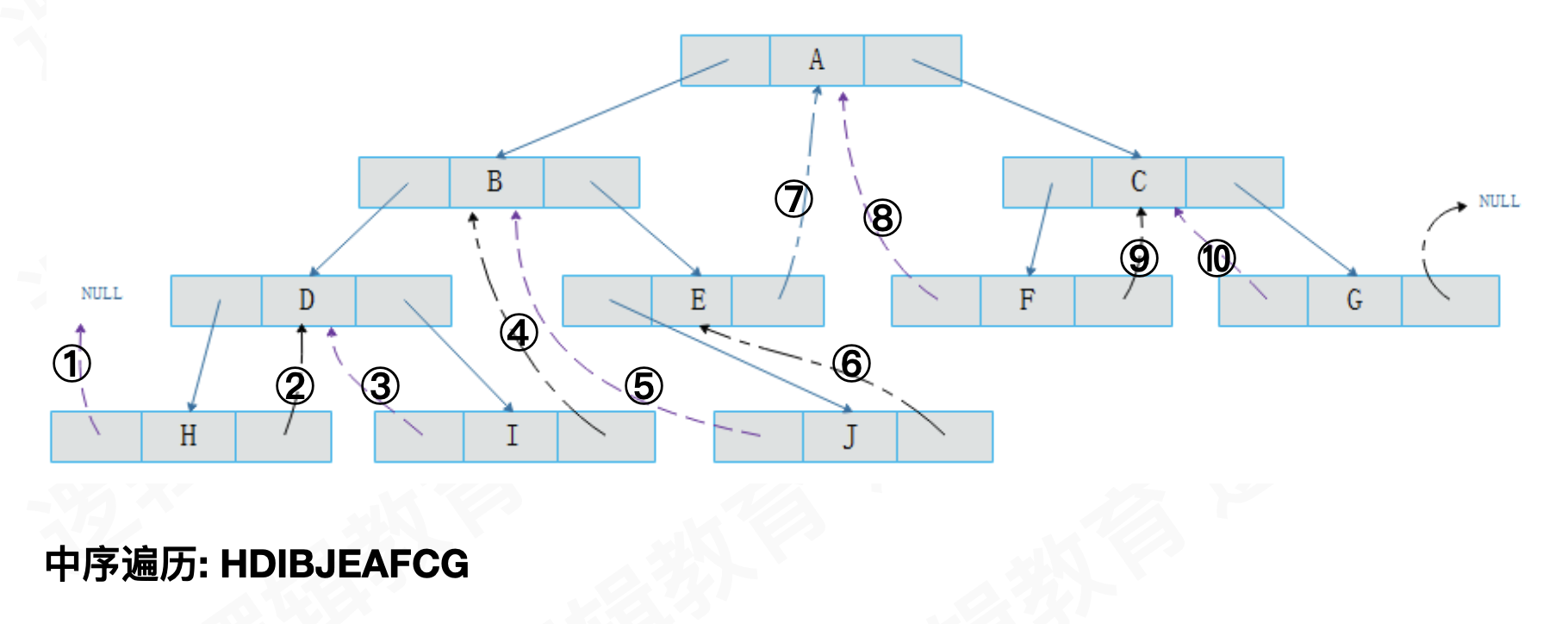
- 线索二叉树结构
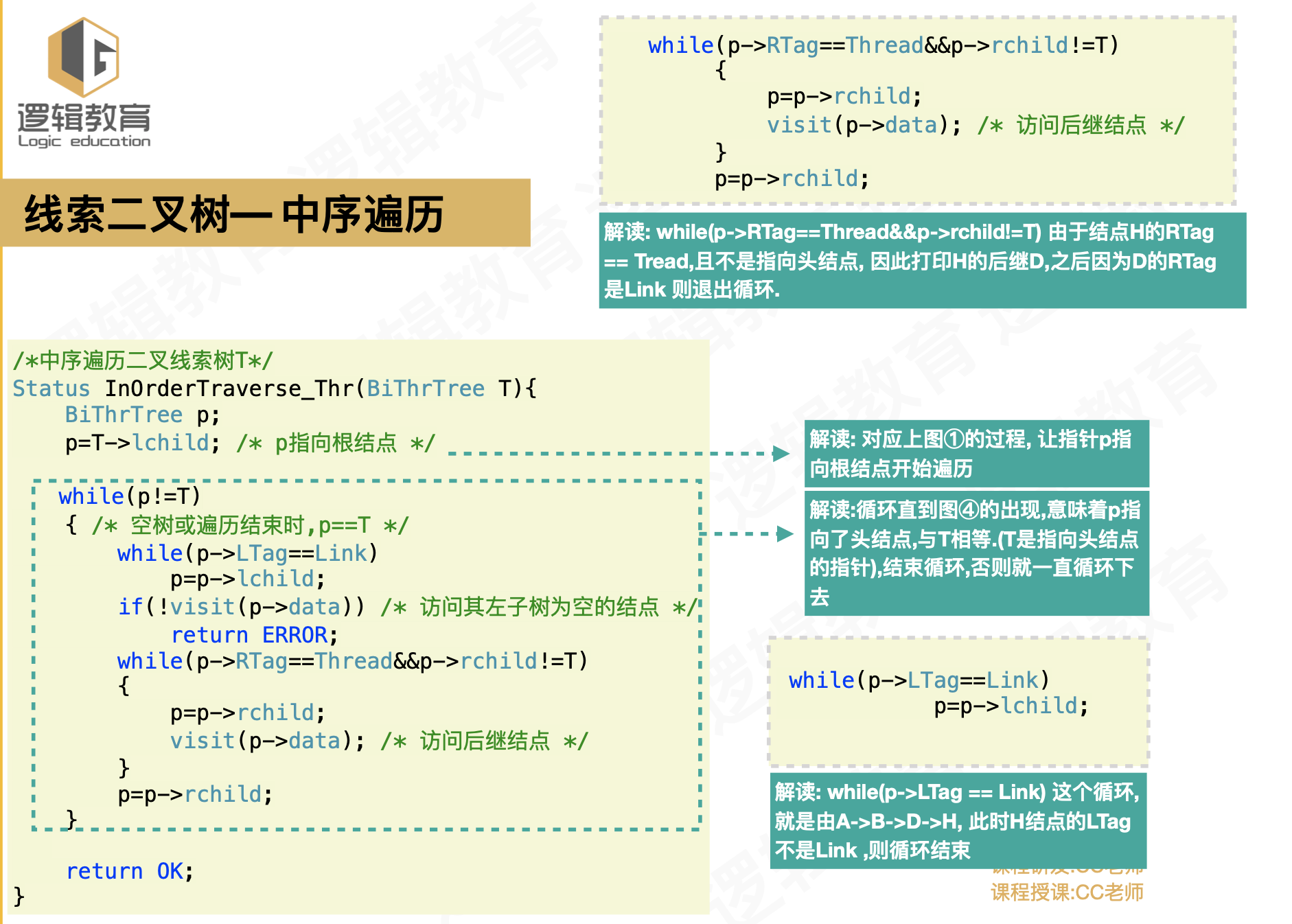
- 完整代码
#include "string.h"
#include "stdio.h"
#include "stdlib.h"

#include "math.h"
#include "time.h"

#define OK 1
#define ERROR 0
#define TRUE 1
#define FALSE 0
#define MAXSIZE 100 /* 存储空间初始分配量 */

/* Status是函数的类型,其值是函数结果状态代码,如OK等 */
typedef int Status;
typedef char CElemType;
/* 字符型以空格符为空 */
CElemType Nil='#';

#pragma mark--二叉树构造
int indexs = 1;
typedef char String[24]; /*  0号单元存放串的长度 */
String str;
Status StrAssign(String T,char *chars)
{
    int i;
    if(strlen(chars)>MAXSIZE)
        return ERROR;
    else
    {
        T[0]=strlen(chars);
        for(i=1;i<=T[0];i++)
            T[i]=*(chars+i-1);
        return OK;
    }
}

/* Link==0表示指向左右孩子指针, */
/* Thread==1表示指向前驱或后继的线索 */
typedef enum {Link,Thread} PointerTag;

/* 线索二叉树存储结点结构*/
typedef struct BiThrNode{

    //数据
    CElemType data;

    //左右孩子指针
    struct BiThrNode *lchild,*rchild;

    //左右标记
    PointerTag LTag;
    PointerTag RTag;

}BiThrNode,*BiThrTree;

/*
 8.1 打印
 */
Status visit(CElemType e)
{
    printf("%c ",e);
    return OK;
}

/*
 8.3 构造二叉树
 按照前序输入线索二叉树结点的值,构造二叉树T
 */

Status CreateBiThrTree(BiThrTree *T){

    CElemType h;
    //scanf("%c",&h);
    //获取字符
    h = str[indexs++];

    if (h == Nil) {
        *T = NULL;
    }else{
        *T = (BiThrTree)malloc(sizeof(BiThrNode));
        if (!*T) {
            exit(OVERFLOW);
        }
        //生成根结点(前序)
        (*T)->data = h;

        //递归构造左子树
        CreateBiThrTree(&(*T)->lchild);
        //存在左孩子->将标记LTag设置为Link
        if ((*T)->lchild) (*T)->LTag = Link;

        //递归构造右子树
        CreateBiThrTree(&(*T)->rchild);
        //存在右孩子->将标记RTag设置为Link
        if ((*T)->rchild) (*T)->RTag = Link;
    }

    return OK;
}


/*
 8.3 中序遍历二叉树T, 将其中序线索化,Thrt指向头结点
 */

BiThrTree pre; /* 全局变量,始终指向刚刚访问过的结点 */
/* 中序遍历进行中序线索化*/
void InThreading(BiThrTree p){

    /*
     InThreading(p->lchild);
     .....
     InThreading(p->rchild);
     */
    if (p) {
        //递归左子树线索化
        InThreading(p->lchild);
        //无左孩子
        if (!p->lchild) {
            //前驱线索
            p->LTag = Thread;
            //左孩子指针指向前驱
            p->lchild  = pre;
        }else
        {
            p->LTag = Link;
        }

        //前驱没有右孩子
        if (!pre->rchild) {
            //后继线索
            pre->RTag = Thread;
            //前驱右孩子指针指向后继(当前结点p)
            pre->rchild = p;
        }else
        {
            pre->RTag = Link;
        }

        //保持pre指向p的前驱
        pre = p;
        //递归右子树线索化
        InThreading(p->rchild);
    }
}

/* 中序遍历二叉树T,并将其中序线索化,Thrt指向头结点 */
Status InOrderThreading(BiThrTree *Thrt , BiThrTree T){

    *Thrt=(BiThrTree)malloc(sizeof(BiThrNode));

    if (! *Thrt) {
        exit(OVERFLOW);
    }

    //建立头结点;
    (*Thrt)->LTag = Link;
    (*Thrt)->RTag = Thread;
    //右指针回指向
    (*Thrt)->rchild = (*Thrt);

    /* 若二叉树空,则左指针回指 */
    if (!T) {
        (*Thrt)->lchild=*Thrt;
    }else{

        (*Thrt)->lchild=T;
        pre=(*Thrt);

        //中序遍历进行中序线索化
        InThreading(T);

        //最后一个结点rchil 孩子
        pre->rchild = *Thrt;
        //最后一个结点线索化
        pre->RTag = Thread;
        (*Thrt)->rchild = pre;

    }
    return OK;
}

/*中序遍历二叉线索树T*/
Status InOrderTraverse_Thr(BiThrTree T){
    BiThrTree p;
    p=T->lchild; /* p指向根结点 */
    while(p!=T)
    { /* 空树或遍历结束时,p==T */
        while(p->LTag==Link)
            p=p->lchild;
        if(!visit(p->data)) /* 访问其左子树为空的结点 */
            return ERROR;
        while(p->RTag==Thread&&p->rchild!=T)
        {
            p=p->rchild;
            visit(p->data); /* 访问后继结点 */
        }
        p=p->rchild;
    }

    return OK;
}

int main(int argc, const char * argv[]) {
    // insert code here...
    printf("Hello, 线索化二叉树!\n");
    BiThrTree H,T;

    //StrAssign(str,"ABDH#K###E##CFI###G#J##");
    StrAssign(str,"ABDH##I##EJ###CF##G##");

    CreateBiThrTree(&T); /* 按前序产生二叉树 */
    InOrderThreading(&H,T); /* 中序遍历,并中序线索化二叉树 */
    InOrderTraverse_Thr(H);
    printf("\n\n");
    return 0;
}
哈夫曼树
基本术语
- 路径和路径长度
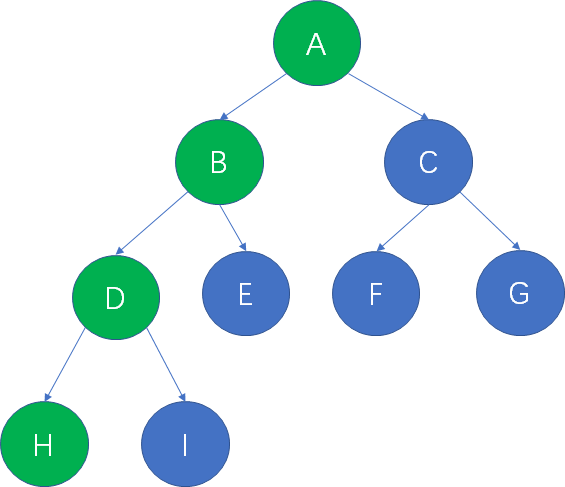
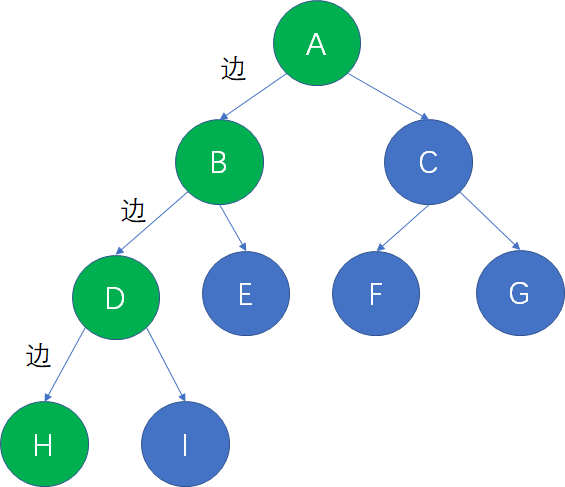
- 在一棵树中,从一个结点往下可以达到的孩子或孙子结点之间的通路,称为路径。eg:下图从根结点A到叶子结点H的路径,就是A,B,D,H
- 通路中分支的数目称为路径长度。eg:下图从根结点A到叶子结点H,共经过了3条边,因此路径长度是3
-
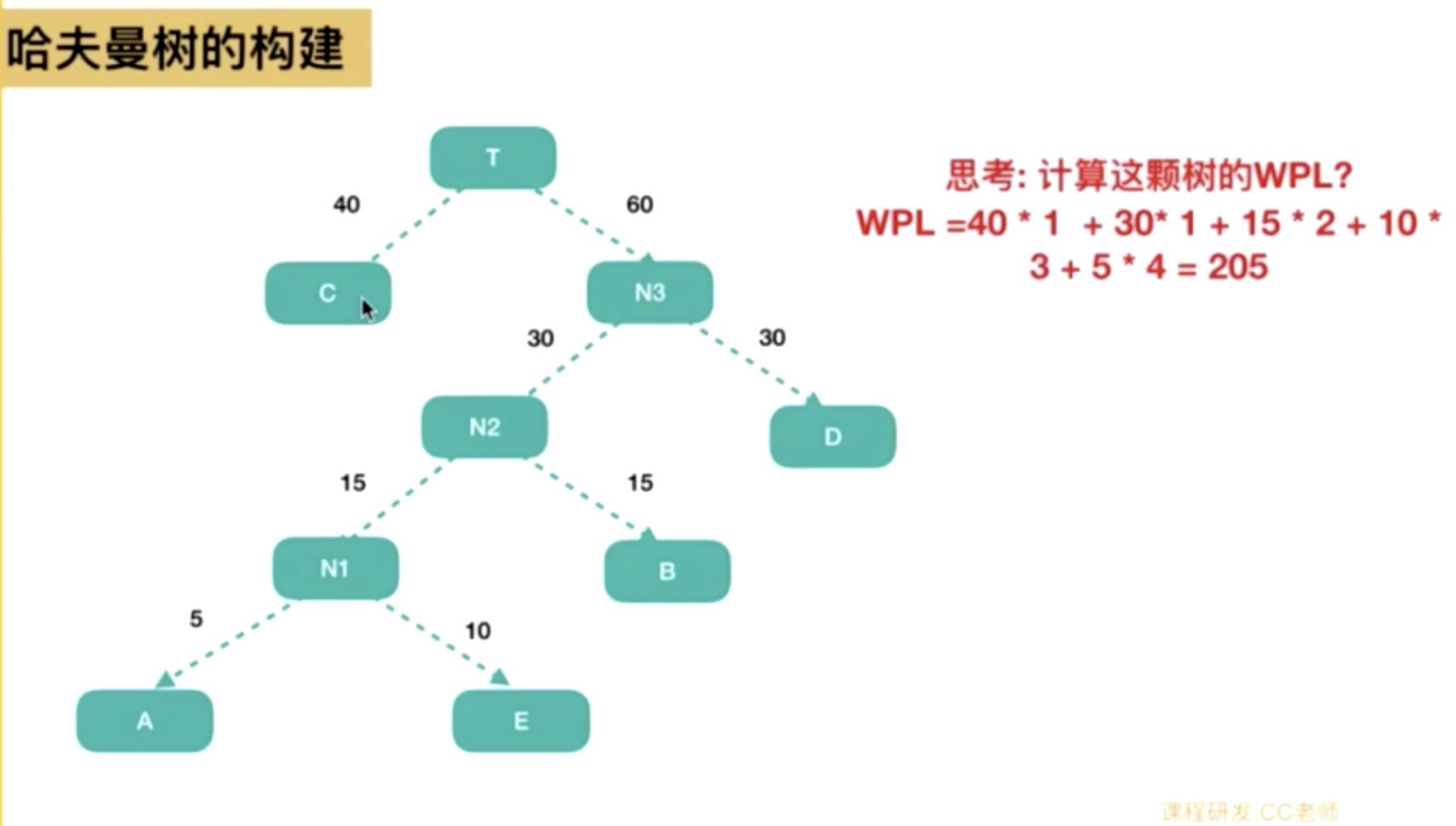
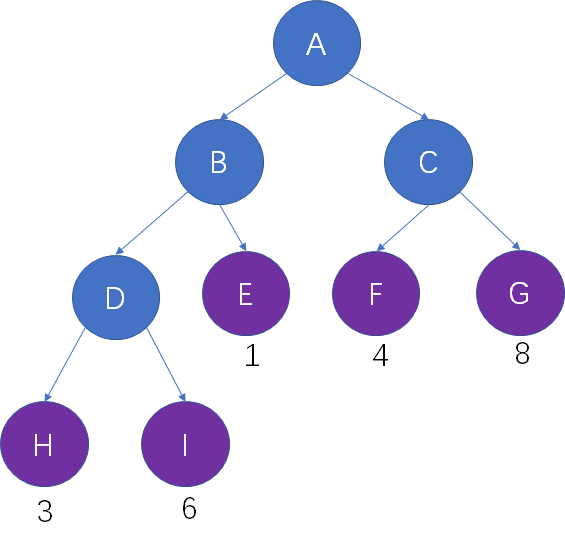
结点的权及带权路径长度 在一棵树中,所有叶子结点的带权路径长度之和,被称为树的带权路径长度,也被简称为WPL。
-
哈夫曼树(Huffman Tree)是在叶子结点和权重确定的情况下,带权路径长度最小的二叉树,也被称为最优二叉树。
哈夫曼树的构建
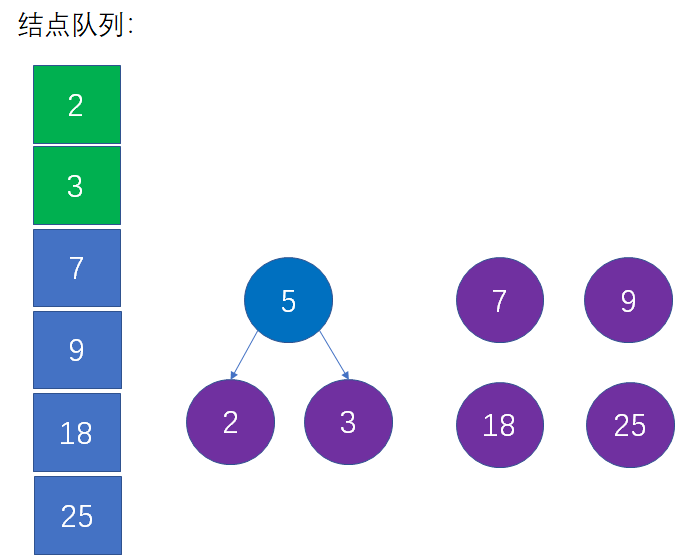
假设有6个叶子结点,权重依次是2,3,7,9,18,25,如何构建一颗哈夫曼树,也就是带权路径长度最小的树呢?
- 1.构建一个队列,由小至大排列。找到最小的两个树作为叶子节点,构成一颗二叉树,其根节点的权值为两者相加
-
- 从队列中移除上一步选择的两个最小结点,把新的父节点加入队列
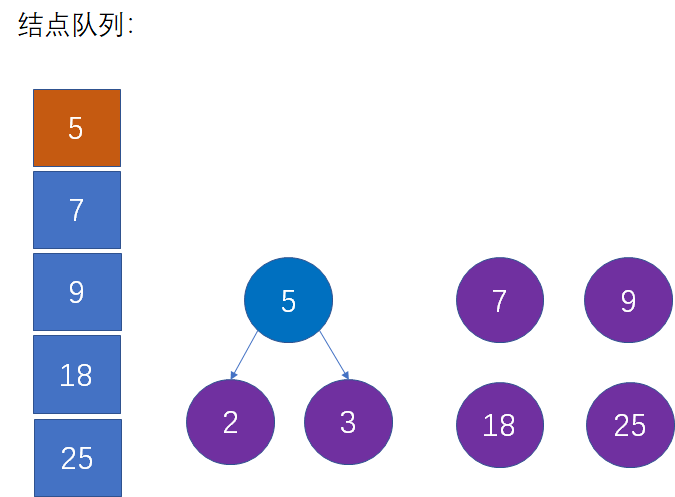
- 从队列中移除上一步选择的两个最小结点,把新的父节点加入队列
-
- 选择当前权值最小的两个结点,生成新的父结点,即重复第一步
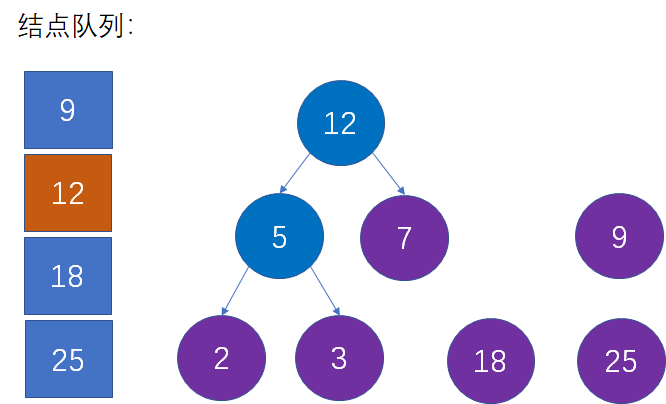
- 选择当前权值最小的两个结点,生成新的父结点,即重复第一步
-
- 根据上述逻辑,不断重复,最终构建成一个树
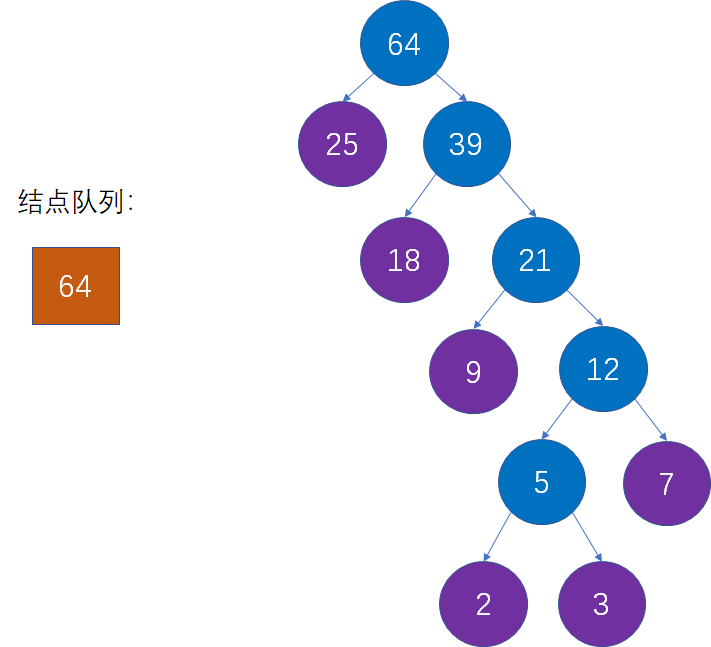
- 根据上述逻辑,不断重复,最终构建成一个树
哈夫曼树和哈夫曼编码算法实现
哈夫曼树
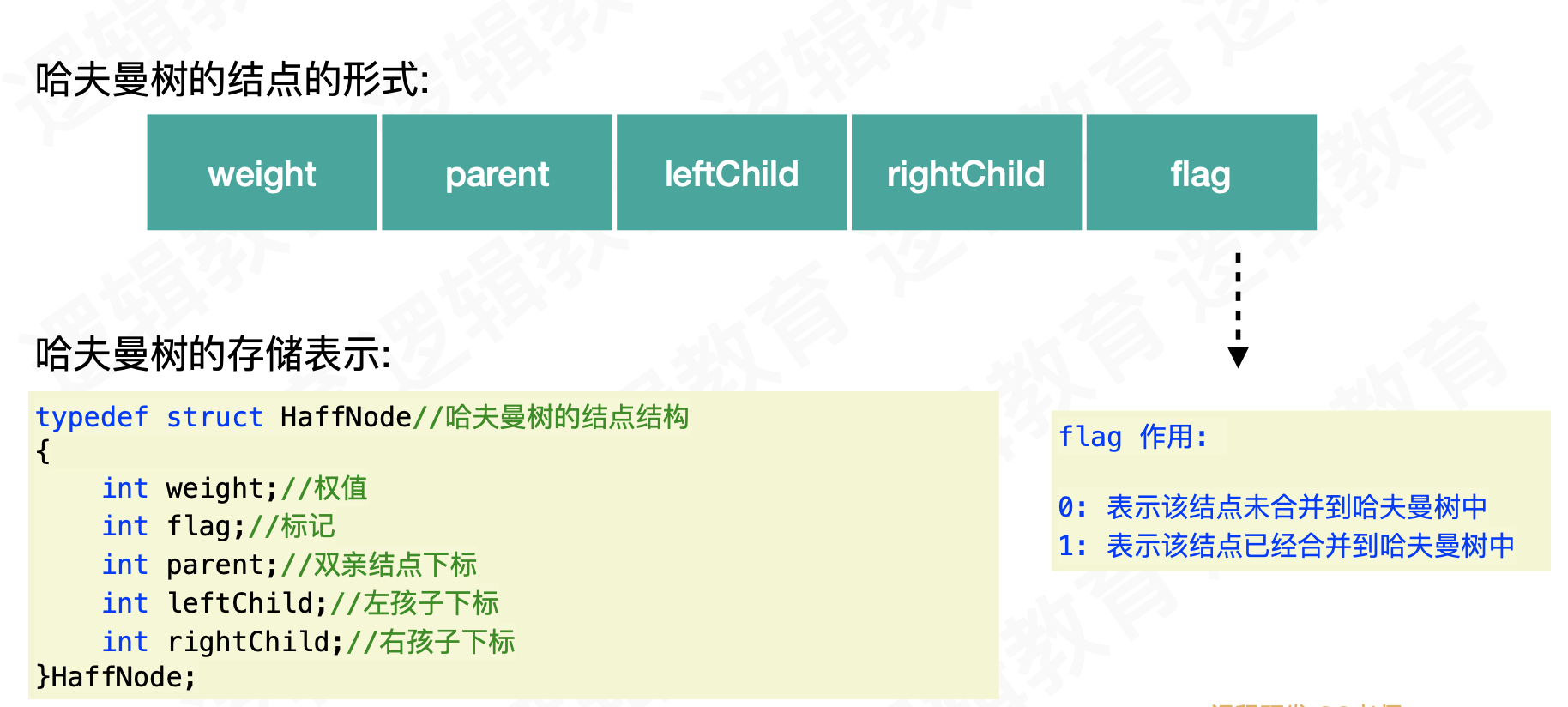
- 初始化哈法曼二叉树
- 循环不断找到节点中,最小的两个节点值,加入到哈夫曼树中
哈夫曼编码
哈夫曼编码是可变字长编码(VLC)的一种。Huffman于1952年提出一种编码方法,该方法完全依据字符出现概率来构造异字头的平均长度最短的码字。

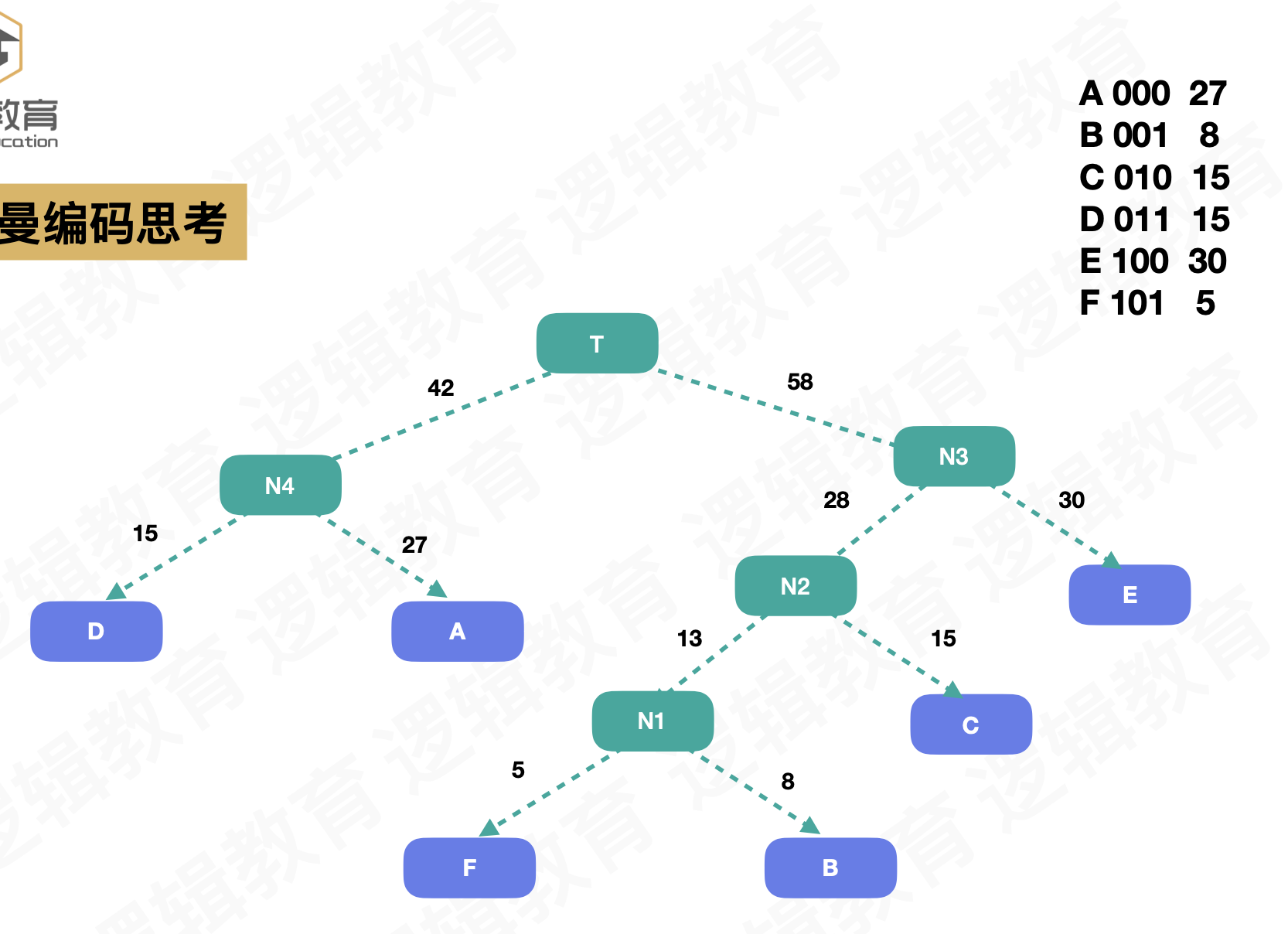
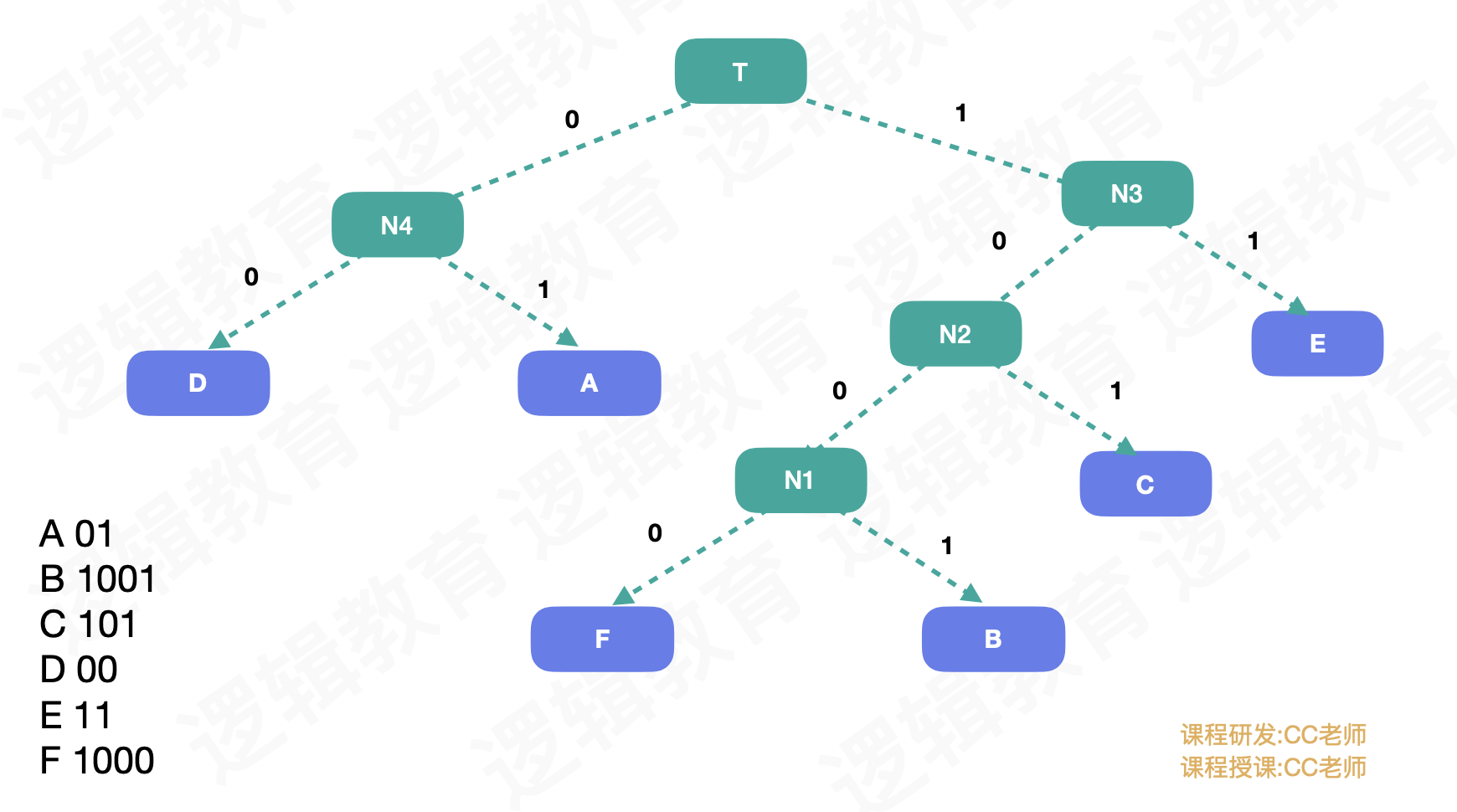

- 获取根据全职构建的哈夫曼树
- 循环遍历[0,n]个节点
- 创建临时节点cd,从根节点开始对齐进行编码,左孩子为0,右孩子为1
- 将编码后的节点存储haffCode[i]
- 设置haffCode[i]的开始位置以及权值
代码实现
#include "string.h"
#include "stdio.h"
#include "stdlib.h"

const int MaxValue = 10000;//初始设定的权值最大值
const int MaxBit = 4;//初始设定的最大编码位数
const int MaxN = 10;//初始设定的最大结点个数

typedef struct HaffNode{
    int weight;
    int flag;
    int parent;
    int leftChild;
    int rightChild;
}HaffNode;

typedef struct Code//存放哈夫曼编码的数据元素结构
{
    int bit[MaxBit];//数组
    int start;  //编码的起始下标
    int weight;//字符的权值
}Code;

//1.
//根据权重值,构建哈夫曼树;
//{2,4,5,7}
//n = 4;
void Haffman(int weight[],int n,HaffNode *haffTree){

    int j,m1,m2,x1,x2;

    //1.哈夫曼树初始化
    //n个叶子结点. 2n-1
    for(int i = 0; i < 2*n-1;i++){

        if(i<n)
            haffTree[i].weight = weight[i];
        else
            haffTree[i].weight = 0;

        haffTree[i].parent = 0;
        haffTree[i].flag = 0;
        haffTree[i].leftChild = -1;
        haffTree[i].rightChild = -1;
    }


    //2.构造哈夫曼树haffTree的n-1个非叶结点
    for (int i = 0; i< n - 1; i++){
         m1 = m2 = MaxValue;
         x1 = x2 = 0;
        //2,4,5,7
        for (j = 0; j< n + i; j++)//循环找出所有权重中,最小的二个值--morgan
        {
            if (haffTree[j].weight < m1 && haffTree[j].flag == 0)
            {
                m2 = m1;
                x2 = x1;
                m1 = haffTree[j].weight;
                x1 = j;
            } else if(haffTree[j].weight<m2 && haffTree[j].flag == 0)
            {
                m2 = haffTree[j].weight;
                x2 = j;
            }
        }

        //3.将找出的两棵权值最小的子树合并为一棵子树
        haffTree[x1].parent = n + i;
        haffTree[x2].parent = n + i;
        //将2个结点的flag 标记为1,表示已经加入到哈夫曼树中
        haffTree[x1].flag = 1;
        haffTree[x2].flag = 1;
        //修改n+i结点的权值
        haffTree[n + i].weight = haffTree[x1].weight + haffTree[x2].weight;
        //修改n+i的左右孩子的值
        haffTree[n + i].leftChild = x1;
        haffTree[n + i].rightChild = x2;
    }

}
/*
 9.2 哈夫曼编码
 由n个结点的哈夫曼树haffTree构造哈夫曼编码haffCode
 //{2,4,5,7}
 */
void HaffmanCode(HaffNode haffTree[], int n, Code haffCode[])
{
    //1.创建一个结点cd
    Code *cd = (Code * )malloc(sizeof(Code));
    int child, parent;
    //2.求n个叶结点的哈夫曼编码
    for (int i = 0; i<n; i++)
    {
        //从0开始计数
        cd->start = 0;
        //取得编码对应权值的字符
        cd->weight = haffTree[i].weight;
        //当叶子结点i 为孩子结点.
        child = i;
        //找到child 的双亲结点;
        parent = haffTree[child].parent;
        //由叶结点向上直到根结点
        while (parent != 0)
        {
            if (haffTree[parent].leftChild == child)
                cd->bit[cd->start] = 0;//左孩子结点编码0
            else
                cd->bit[cd->start] = 1;//右孩子结点编码1
            //编码自增
            cd->start++;
            //当前双亲结点成为孩子结点
            child = parent;
            //找到双亲结点
            parent = haffTree[child].parent;
        }

         int temp = 0;

        for (int j = cd->start - 1; j >= 0; j--){
            temp = cd->start-j-1;
            haffCode[i].bit[temp] = cd->bit[j];
        }

        //把cd中的数据赋值到haffCode[i]中.
        //保存好haffCode 的起始位以及权值;
        haffCode[i].start = cd->start;
        //保存编码对应的权值
        haffCode[i].weight = cd->weight;
    }
}

int main(int argc, const char * argv[]) {
    // insert code here...
    printf("Hello, 哈夫曼编码!\n");
    int i, j, n = 4, m = 0;

    //权值
    int weight[] = {2,4,5,7};

    //初始化哈夫曼树, 哈夫曼编码
    HaffNode *myHaffTree = malloc(sizeof(HaffNode)*2*n-1);
    Code *myHaffCode = malloc(sizeof(Code)*n);

    //当前n > MaxN,表示超界. 无法处理.
    if (n>MaxN)
    {
        printf("定义的n越界,修改MaxN!");
        exit(0);
    }

    //1. 构建哈夫曼树
    Haffman(weight, n, myHaffTree);
    //2.根据哈夫曼树得到哈夫曼编码
    HaffmanCode(myHaffTree, n, myHaffCode);
    //3.
    for (i = 0; i<n; i++)
    {
        printf("Weight = %d\n",myHaffCode[i].weight);
        for (j = 0; j<myHaffCode[i].start; j++)
            printf("%d",myHaffCode[i].bit[j]);
        m = m + myHaffCode[i].weight*myHaffCode[i].start;
         printf("\n");
    }
    printf("Huffman's WPS is:%d\n",m);

    return 0;
}

