vue 修饰符sync的功能是:当一个子组件改变了一个 props的值时,这个变化也会同步到父组件中所绑定。
这个功能是怎么实现的呢?
Vue组件不能修改props外部数据,但是$emit可以触发事件,并传参,$event可获取$emit的参数。
我们看代码:
//Child.vue
<template>
  <div id="child">
   子组件:{{money}}
//触发update:money事件,并传参
   <button @click="$emit('update:money',money-100)"><span>花钱</span></button>

 </div>
</template>

<script>


export default {

props:["money"]


};
</script>

<style>
#child{
  border :1px solid red;
  padding:2px;
}

</style>
然后$event 获取传的参数:
//App.vue
<template>
  <div id="app">
   父组件: 我现在有{{total}}
    <hr>
//$event 获取传的参数赋值给total
    <Child :money="total" v-on:update:money="total=$event"/>

 </div>
</template>

<script>
import Child from"./Child.vue";

export default {
  data(){
    return {
total:10000
    }


  },
  components: { Child:Child}

};
</script>

<style>
#app{
  border :2px solid blue;
  padding:2px;
}

</style>
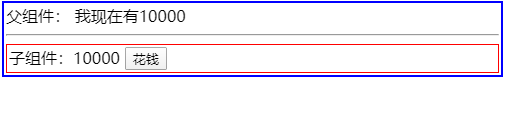
因为这种场景很常见,所以尤雨溪发明了.sync修饰符,上面的代码:money="total" v-on:update:money="total=$event"可以简化为:money.sync="total"
下面是运行动画:
v-model也是个语法糖
v-model="x"等价于 :value="x",@input="x=$event.target.value"当v-model用于普通input上
<template>
  <div>
    {{message}}
    <hr/>
    <input v-model="message" placeholder="你好" />
  </div>
</template>

<script>
export default {
  name: "App",
  data() {
    return {
      message: ""
    };
  }
};
</script>

<style lang="scss">
</style>
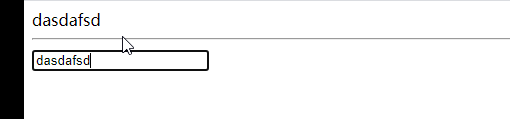
动画演示:
当v-model用于组件上
父组件
<template>
    <div>
        {{price}}
        <hr/>
        <test v-model="price"/>

    </div>
</template>

<script>
    import test from './components/Test.vue';
    export default {
        components:{test},
        name: "App",
        data(){
            return{
                price:100
            }
        }
    };
</script>

<style lang="scss">
</style>子组件
子组件
<template>
  <div>
    <label>
      <input ref="input" :value="value"
      @input="$emit('input', $event.target.value)"//子组件触发事件,把输入的参数传给price
      >
    </label>
  </div>
</template>

<script>
export default {
  name: "App",
  props: ["value"],//子组件把value传给父组件,父组件绑定value="price"
};
</script>

<style lang="scss">
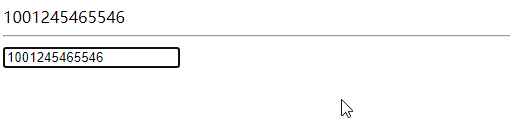
</style>由上面代码我们可以看出子组件把value传给父组件,因为v-model="price"等价于 :value="price",@input="price=$event.target.value",父组件动态绑定了value,然后input事件那输入的value参数传给了price,所以我们就能看到以下效果:
具体参考:Vue.js修饰符官方文档