本文需结合读写锁源码 1.8 一起阅读,读写锁的源码需要结合AQS源码一起阅读。
准备
state是一个32位的volatile int。
低16位表示写锁重入次数,高16位表示读锁重入次数
Sync() {
            readHolds = new ThreadLocalHoldCounter();
            setState(getState()); // ensures visibility of readHolds
        }
构造Sync时,这里需要写入state来保证readHolds的可见性
读锁
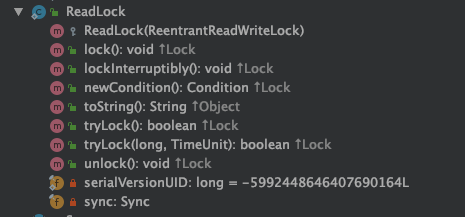
lock(),unlock(),lockInterruptibly直接调用AQS提供的方法。tryLock()与tryAcquire()几乎一样只是不用考虑公平策略。
读锁需要实现tryAcquire()与tryRelease()。
公平策略的选取
公平策略下,如果排队队列中有前驱节点,那么不会尝试获取而是先进入队列阻塞。
非公平策略下,为了减少写锁的饥饿,如果排队队列的第一个节点是一个写线程,就会先进入队列阻塞(读线程重入除外)。如果写锁没有排在队列中的第一个节点。那么依然有几率导致写锁的饥饿。
获取
        public void lock() {
            sync.acquireShared(1);
        }
来看一下实现的tryAcquireShared(),核心就是CAS改状态,总体流程是比较清楚的,readShouldBolock()这个取决于公平策略的选择。但是一些性能优化的点readHolds,cachedHoldCounter之类刚看可能看不明白,可以先搁置起来结合tryReleaseShared()一起看
性能优化点:
-
firstReader与firstReaderHoldCount用于应付大部分情况下,读锁只会有一个线程获取。然后释放。比用threadlocal类型变量readHolds性能高 -
少部分情况下,不止一个线程获取读锁。那么就用readHolds来存储各个线程读锁的重入次数,这时候依然可以做一些优化,如果释放读锁的线程是刚刚获取读锁的线程。那么为了获取这个线程的重入次数。为了避免用thredlocal,可以设置一个缓存来存储最后一个获取读锁的线程。cachedHoldCounter就是用于缓存最后一个线程的重入次数。
-
2处
if(rh.count == 0) readHolds.set(rh)。原因在于当最后一个获取读锁的线程进行tryRealseShared()的时候如果发现重入次数从1变成0了。那么会从readHolds移除这个HoldCounter。这时候就会存在cachedHoldCounter.count == 0 而该cachedHoldCounter却不存在readHolds中的情况。因此这时候需要set到readHolds中。 -
cahcedHoldCounter并不是volatile变量。他的用意就是让线程缓存在本地变量方便自己查询的。
获取操作,如果资源没有被写锁占有,那么读锁会自旋尝试获取资源,与其他读线程竞争CAS的操作。
       protected final int tryAcquireShared(int unused) {
            Thread current = Thread.currentThread();
            int c = getState();
            if (exclusiveCount(c) != 0 &&
                getExclusiveOwnerThread() != current)
                return -1;
            int r = sharedCount(c);
            if (!readerShouldBlock() &&
                r < MAX_COUNT &&
                compareAndSetState(c, c + SHARED_UNIT)) {
                if (r == 0) {
                    firstReader = current;
                    firstReaderHoldCount = 1;
                } else if (firstReader == current) {
                    firstReaderHoldCount++;
                } else {
                    HoldCounter rh = cachedHoldCounter;
                    if (rh == null || rh.tid != getThreadId(current)) //1
                        cachedHoldCounter = rh = readHolds.get();
                    else if (rh.count == 0) //2
                        readHolds.set(rh);
                    rh.count++;
                }
                return 1;
            }
            return fullTryAcquireShared(current);
        }

        final int fullTryAcquireShared(Thread current) {
            /*
             * This code is in part redundant with that in
             * tryAcquireShared but is simpler overall by not
             * complicating tryAcquireShared with interactions between
             * retries and lazily reading hold counts.
             */
            HoldCounter rh = null;
            for (;;) {
                int c = getState();
                //如果写锁被占且非重入。失败
                if (exclusiveCount(c) != 0) {
                    if (getExclusiveOwnerThread() != current)
                        return -1;
                    // else we hold the exclusive lock; blocking here
                    // would cause deadlock.
                //如果需要阻塞,考察该线程是否是重入获取。若是则失败。
                } else if (readerShouldBlock()) {
                    // Make sure we're not acquiring read lock reentrantly
                    if (firstReader == current) {
                        // assert firstReaderHoldCount > 0;
                    } else {
                        if (rh == null) {
                            rh = cachedHoldCounter;
                            if (rh == null || rh.tid != getThreadId(current)) {
                                rh = readHolds.get();
                                if (rh.count == 0)
                                    readHolds.remove();
                            }
                        }
                        if (rh.count == 0)
                            return -1;
                    }
                }
                //到这一步可以进行CAS了。
                if (sharedCount(c) == MAX_COUNT)
                    throw new Error("Maximum lock count exceeded");
                if (compareAndSetState(c, c + SHARED_UNIT)) {
                    if (sharedCount(c) == 0) {
                        firstReader = current;
                        firstReaderHoldCount = 1;
                    } else if (firstReader == current) {
                        firstReaderHoldCount++;
                    } else {
                        if (rh == null)
                            rh = cachedHoldCounter;
                        if (rh == null || rh.tid != getThreadId(current))
                            rh = readHolds.get();
                        else if (rh.count == 0)
                            readHolds.set(rh);
                        rh.count++;
                        cachedHoldCounter = rh; // cache for release
                    }
                    return 1;
                }
            }
        }
释放
返回ture说明此时读锁空闲。
       protected final boolean
        tryReleaseShared(int unused) {
            Thread current = Thread.currentThread();
            if (firstReader == current) {
                // assert firstReaderHoldCount > 0;
                if (firstReaderHoldCount == 1)
                    firstReader = null;
                else
                    firstReaderHoldCount--;
            } else {
                HoldCounter rh = cachedHoldCounter;
                if (rh == null || rh.tid != getThreadId(current))
                    rh = readHolds.get();
                int count = rh.count;
                if (count <= 1) {
                    readHolds.remove();
                    if (count <= 0)
                        throw unmatchedUnlockException();
                }
                --rh.count;
            }
            for (;;) {
                int c = getState();
                int nextc = c - SHARED_UNIT;
                if (compareAndSetState(c, nextc))
                    // Releasing the read lock has no effect on readers,
                    // but it may allow waiting writers to proceed if
                    // both read and write locks are now free.
                    return nextc == 0;
            }
        }
写锁
公平策略
公平策略下如果有排队的先驱那么就放弃获取,进入排队 非公平策略下 则直接参与锁的竞争
获取
如果读锁已被获取或者写锁线程不是当前线程则失败。
如果是写锁线程重入获取写锁,设置状态不需要用CAS,因为只有当前线程才能设置状态,并发安全。
如果是首个获取写锁的线程(即此时state == 0) 那么需要检查writerShouldBlock,以及设置状态需要用CAS。
写锁tryAcquire获取不是自旋,只有一次机会。
protected final boolean tryAcquire(int acquires) {
            /*
             * Walkthrough:
             * 1. If read count nonzero or write count nonzero
             *    and owner is a different thread, fail.
             * 2. If count would saturate, fail. (This can only
             *    happen if count is already nonzero.)
             * 3. Otherwise, this thread is eligible for lock if
             *    it is either a reentrant acquire or
             *    queue policy allows it. If so, update state
             *    and set owner.
             */
            Thread current = Thread.currentThread();
            int c = getState();
            int w = exclusiveCount(c);
            if (c != 0) {
                // (Note: if c != 0 and w == 0 then shared count != 0)
                if (w == 0 || current != getExclusiveOwnerThread())
                    return false;
                if (w + exclusiveCount(acquires) > MAX_COUNT)
                    throw new Error("Maximum lock count exceeded");
                // Reentrant acquire
                setState(c + acquires);
                return true;
            }
            if (writerShouldBlock() ||
                !compareAndSetState(c, c + acquires))
                return false;
            setExclusiveOwnerThread(current);
            return true;
        }
释放
true表明目前写锁空闲
protected final boolean tryRelease(int releases) {
            if (!isHeldExclusively())
                throw new IllegalMonitorStateException();
            int nextc = getState() - releases;
            boolean free = exclusiveCount(nextc) == 0;
            if (free)
                setExclusiveOwnerThread(null);
            setState(nextc);
            return free;
        }