【Netty源码分析】01 Netty Server 启动流程 上

198 阅读21分钟
原文链接: mp.weixin.qq.com

Netty服务端一般如下面代码模式,简化了 NIO编程的复杂性同时,并且借助于Pipeline模型,可以很简单的就构建出高性能、可扩展的应用程序。


                            public class DemoServer {    
                                public static void main
                                    (String[] args) throws InterruptedException {        EventLoopGroup bossGroup = 
                                        new NioEventLoopGroup();        EventLoopGroup workerGroup = new NioEventLoopGroup();        
                                            try {            ServerBootstrap serverBootstrap = new ServerBootstrap();            serverBootstrap.group(bossGroup, workerGroup)                    .channel(NioServerSocketChannel.class)                    .childHandler(
                                                new TestServerInitializer());            ChannelFuture channelFuture = serverBootstrap.bind(8899).sync();            channelFuture.channel().closeFuture().sync();        }
                                                    finally {            bossGroup.shutdownGracefully();            workerGroup.shutdownGracefully();        }    }}
                                                        

下面我们就通过源码分析下隐藏在这些代码背后的逻辑,对Netty可以有个更加深刻的认识。

NioEventLoopGroup

Netty中每个 Channel都会通过注册方式,绑定到一个具体的NioEventLoop实例上, NioEventLoop继承抽象类SingleThreadEventLoop,内部通过单个线程模式管理所有注册到它上面的 Channel,负责这些Channel事件监听、事件处理等。 NioEventLoopGroup内部包含一组NioEventLoop,好比 NioEventLoop是用于管理Channel的其中一个线程,而 NioEventLoopGroup则对应的是管理所有Channel的线程池。

上面创建了两个NioEventLoopGroup对象,一个是用来管理 NioServerSocketChannel的,而另一个是用来管理客户端连接进来时创建的客户端对应的NioSocketChannel的。

通过跟踪NioEventLoopGroup构造过程,本身逻辑是比较简单,但是调用栈比较深,这里就不太方便代码展示,其大概完成事情可以用如下图描述:
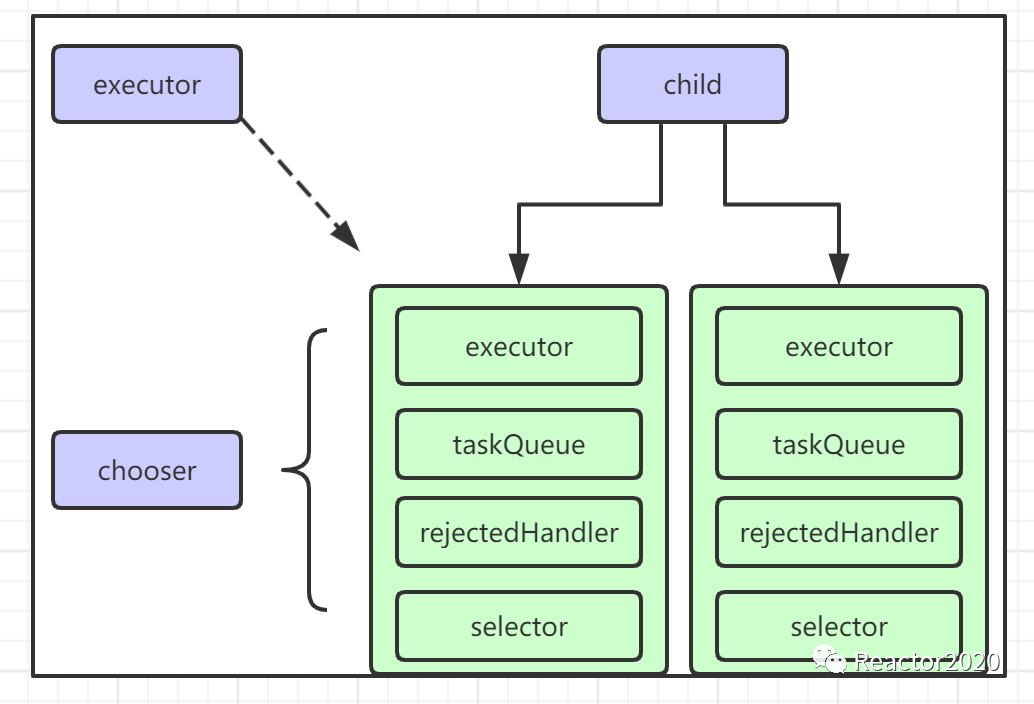
NioEventLoopGroup创建时,同时会创建三个元素: executorchooserchild

  • child是一个 NioEventLoop类型数组,存储Group管理的所有 NioEventLoop对象,默认是CPU核数*2NioEventLoop创建时主要包含4个元素:
    • executor:每个 NioEventLoop内部都会对应一个线程,executor线程池就是负责这些线程创建;
    • taskQueueNioEventLoop内部维护一个任务队列,其它线程需要NioEventLoop执行任务时,就像 taskQueue提交任务即可,NioEventLoop会自动从 taskQueue中获取任务执行;
    • rejectedHandleraddTask()taskQueue中提交任务失败时,所使用的拒绝策略;
    • Selector:每个 NioEventLoop内部维护着一个Selector,这样注册到其上面的 Channel就需要向该Selector注册感兴趣的 SelectionKey即可,事件轮询、事件处理都会由NioEventLoop进行处理。
  • executorNioEventLoop通过单线程模式管理注册到其上面的所有Channelexecutor线程池就是用于提供该线程的创建
  • chooserNioEventLoopGroup管理着多个NioEventLoop,每当有一个新 Channel需要注册时,就会通过chooser选取策略从中选取一个 NioEventLoop用于注册。

ServerBootStrap配置

下面我们来分析下如下代码作用:

ServerBootstrap serverBootstrap = new ServerBootstrap();serverBootstrap.group(bossGroup, workerGroup)                    .channel(NioServerSocketChannel.class)                    .childHandler(new TestServerInitializer());

ServerBootStrapNetty使用的一个启动引导类,上面的代码主要是为后续Netty启动提供配置数据,本身比较简单:

  • group(bossGroup, workerGroup):指定 Netty使用的两大线程组,bossGroup主要供 NioServerSocketChannel监听OP_ACCEPT新连接使用的线程组; workerGroup用于处理每一条客户端连接NioSocketChannel的数据读写所使用的线程组。
  • channel(NioServerSocketChannel.class):用于指定网络模型。
  • childHandler(new TestServerInitializer()):每个客户端连接进来创建 NioSocketChannel,同时会给该channel创建一个 pipeline用于负责处理该channel上业务逻辑,这里通过一个特殊的 ChannelInitializer类型handler,借助回调实现向 pipeline中添加handler

bind

当执行到serverBootstrap.bind(8899),则表示 Netty开始进入真正的启动阶段。一路跟踪下来,会进入到doBind()方法中:


                                                                                    private ChannelFuture doBind
                                                                                        (final SocketAddress localAddress) {    //创建NioServerSocketChannel -> pipeline添加ServerBootstrapAcceptor -> channel进行register,分配NioEventLoop    
                                                                                            final ChannelFuture regFuture = initAndRegister();    final Channel channel = regFuture.channel();    
                                                                                                if (regFuture.cause() != null) {        
                                                                                                    return regFuture;    }    /**     * register完成,则执行doBind0()进行server端口绑定    */    
                                                                                                        if (regFuture.isDone()) {        ChannelPromise promise = channel.newPromise();        doBind0(regFuture, channel, localAddress, promise);        
                                                                                                            return promise;    } else {        
                                                                                                                final PendingRegistrationPromise promise = new PendingRegistrationPromise(channel);        
                                                                                                                    //register还未完成,则添加listener,待注册完成再执行doBind0()进行server端口绑定        regFuture.addListener(
                                                                                                                        new ChannelFutureListener() {            @Override            
                                                                                                                            public void 
                                                                                                                                operationComplete(ChannelFuture future) throws Exception {                Throwable cause = future.cause();                
                                                                                                                                    if (cause != null) {                    promise.setFailure(cause);                } 
                                                                                                                                        else {                    promise.registered();                    doBind0(regFuture, channel, localAddress, promise);                }            }        });        
                                                                                                                                            return promise;    }}
                                                                                                                                                

这个方法主要完成两件事:

  • initAndRegister(): Channel相关的初始化和注册,这里核心逻辑:创建Channel并进行各种初始化,最后把 Channel注册到NioEventLoop上,并启动 NioEventLoop线程开始处理事件轮询、事件处理;
  • doBind0():待 initAndRegister()执行完成后执行doBind0()方法, initAndRegister()是个异步方法,所以在执行doBind0()之前使用 regFuture.isDone()判断下是否Channel注册完成,如果没有完成则通过 addListener()添加一个listener,等待完成后再执行 doBind0()。经过上步骤,channel准备工作基本都准备差不多了,这时还差一步:将 channel绑定到具体端口上。

initAndRegister

final ChannelFuture initAndRegister() {        Channel channel = null;        try {            /**             *             * 通过反射方式创建IO模型类型,具体类型有serverBootstrap.channel()方法指定,比如:NioServerSocketChannel             * NioServerSocketChannel创建时,构造方法中会触发创建jdk channel创建             * 同时会创建对应的配置类:NioServerSocketChannelConfig(tcp参数配置)             */            channel = channelFactory.newChannel();            /**             * 初始化channel,由子类bootstrap或者serverBootStrap进行实现,可视为一个模板方法             * ServerBootStrap逻辑:options、attrs等初始化,同时向pipeline中添加一个InboundHandler:ServerBootstrapAcceptor             *             * new ServerBootstrapAcceptor(serverSocketChannel, currentChildGroup, currentChildHandler, currentChildOptions, currentChildAttrs)             * 这样NioServerSocketChannel接收到OP_ACCEPT事件时,就可以利用这些参数给代表客户端连接的SocketChannel初始化             */            init(channel);//        } catch (Throwable t) {            if (channel != null) {                // channel can be null if newChannel crashed (eg SocketException("too many open files"))                channel.unsafe().closeForcibly();                // as the Channel is not registered yet we need to force the usage of the GlobalEventExecutor                return new DefaultChannelPromise(channel, GlobalEventExecutor.INSTANCE).setFailure(t);            }            // as the Channel is not registered yet we need to force the usage of the GlobalEventExecutor            //还没有注册到线程池。使用默认线程GlobalEventExecutor            return new DefaultChannelPromise(new FailedChannel(), GlobalEventExecutor.INSTANCE).setFailure(t);        }        /**         * 将NioServerSocketChannel注册到Reactor主线程池上 ,即给当前创建的Channel分配一个NioEventLoop线程         */        ChannelFuture regFuture = config().group().register(channel);        if (regFuture.cause() != null) {            if (channel.isRegistered()) {                channel.close();            } else {                channel.unsafe().closeForcibly();            }        }        return regFuture;}

这个方法主要完成3件事:

  • channelFactory.newChannel():采用工厂模式创建一个 Channel实例,serverBootstrap.channel()方法指定创建的实例类型,比如: .channel(NioServerSocketChannel.class)
  • init(channel):对创建的 Channel进行各种初始化,比如:optionsattrs等设置,同时向pipeline中添加一个非常重要的 handlerServerBootstrapAcceptor
new ServerBootstrapAcceptor(serverSocketChannel, currentChildGroup, currentChildHandler, currentChildOptions, currentChildAttrs)

ServerBootstrapAcceptor连接处理器是 Server端非常重要的一个InBound类型的 handler,当NioServerSocketChannel轮询 OP_ACCEPT事件接收到客户端连接进来时,客户端连接各种设置等工作就是由这个Acceptor连接器完成。

  • config().group().register(channel):将 Channel注册到NioEventLoop上,由 NioEventLoop负责channel的各种管理, NioEventLoop会通过单个线程轮询其内部持有的Selector上事件,并进行处理;

newChannel()比较简单,这里就不展开了,核心点主要在于 init(channel)register(channel)这两个方法。

init

void init(Channel channel) throws Exception {    final Map<ChannelOption<?>, Object> options = options0();    synchronized (options) {        setChannelOptions(channel, options, logger);    }    final Map<AttributeKey<?>, Object> attrs = attrs0();    synchronized (attrs) {        for (Entry<AttributeKey<?>, Object> e: attrs.entrySet()) {            @SuppressWarnings("unchecked")            AttributeKey<Object> key = (AttributeKey<Object>) e.getKey();            channel.attr(key).set(e.getValue());        }    }    ChannelPipeline p = channel.pipeline();    final EventLoopGroup currentChildGroup = childGroup;    final ChannelHandler currentChildHandler = childHandler;    final Entry<ChannelOption<?>, Object>[] currentChildOptions;    final Entry<AttributeKey<?>, Object>[] currentChildAttrs;    synchronized (childOptions) {        currentChildOptions = childOptions.entrySet().toArray(newOptionArray(0));    }    synchronized (childAttrs) {        currentChildAttrs = childAttrs.entrySet().toArray(newAttrArray(0));    }        /**         * 给NIOServerChannel绑定的pipeline添加一个ChannelInitializer         */    p.addLast(new ChannelInitializer<Channel>() {        @Override        public void initChannel(final Channel ch) throws Exception {            final ChannelPipeline pipeline = ch.pipeline();             ChannelHandler handler = config.handler();             if (handler != null) {                pipeline.addLast(handler);             }             ch.eventLoop().execute(new Runnable() {                 @Override                 public void run() {                     pipeline.addLast(new ServerBootstrapAcceptor(                                ch, currentChildGroup, currentChildHandler, currentChildOptions, currentChildAttrs));                 }             });         }     });}

这个方法主要完成2件事:

  • NioServerSocketChannel设置 optionattr等;
  • NioServerSocketChannel绑定的 Pipeline添加一个ChannelInitializer,通过 ChannelInitializer间接的向pipeline中添加一个用户指 handler,还会添加一个对NioServerSocketChannel非常重要的 handlerServerBootstrapAcceptor连接器,客户端连接进来处理入口就是这个连接器。

顺便我们来看下通过pipeline.addLast()方式向 pipeline添加handler逻辑:


                                                                                                                                                            public 
                                                                                                                                                                final ChannelPipeline addLast
                                                                                                                                                                    (EventExecutorGroup group, String name, ChannelHandler handler) {    
                                                                                                                                                                        final AbstractChannelHandlerContext newCtx;    
                                                                                                                                                                            synchronized (this) {        checkMultiplicity(handler);        newCtx = newContext(group, filterName(name, handler), handler);        addLast0(newCtx);        
                                                                                                                                                                                //当前Channel还未注册,需要先封装成PendingHandlerAddedTask,并链表方式挂载到Pipeline的pendingHandlerCallbackHead变量下,待后续注册完成后再回调        
                                                                                                                                                                                    if (!registered) {            newCtx.setAddPending();            callHandlerCallbackLater(newCtx, 
                                                                                                                                                                                        true);            
                                                                                                                                                                                            return this;        }        
                                                                                                                                                                                                //注册完成,且当前线程和Channel绑定线程不是同一个,则用Channel的绑定线程执行        EventExecutor executor = newCtx.executor();        
                                                                                                                                                                                                    if (!executor.inEventLoop()) {            callHandlerAddedInEventLoop(newCtx, executor);            
                                                                                                                                                                                                        return this;        }    }    callHandlerAdded0(newCtx);    
                                                                                                                                                                                                            return this;}
                                                                                                                                                                                                                

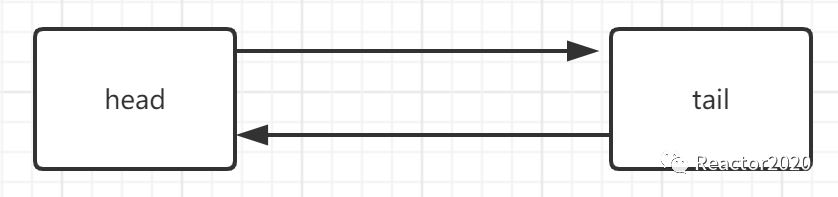
pipeline是一个双向链表,刚创建完成时默认有两个节点: headtail,如下图:

执行p.addLast(new ChannelInitializer())后是如下图:

如上面代码,pipeline不是直接将 handler添加进来,而是封装成 handlerContext。执行 addLast0(newCtx)handler对应的 HandlerContext添加进来后,正常情况下这时需要回调 handler#handlerAdded()方法。 handler#handlerAdded()执行是需要在 channel注册的 NioEventLoop线程中执行才行,所以有 if (!executor.inEventLoop())这个判断。但是,当前是在主线程 main中,且 channel因为还没有注册完成,所以当前 channelNioEventLoop根本就还没有绑定到一起,所以是没法执行的,这里会进入 if (!registered)流程:将 handlerContext封装成一个 PendingHandlerAddedTask实例,先挂载到 pipelinependingHandlerCallbackHead全局变量下,待后续 channel注册完成后再来处理 handler#handlerAdded()。还有个问题,如果添加多个 handlerPendingHandlerAddedTask有个 next,可以把它们串成一个链表即可。

register

这样,我们把 init()方法的主要逻辑基本都分析完成了,现在我们再回过头看下 initAndRegister方法中另外一个重要逻辑: config().group().register(channel)。这里的 config().group()就是获取的是之前传入的用于处理 server端线程组: EventLoopGroup bossGroup = new NioEventLoopGroup()

NioEventLoopGroup#register()第一步就是使用 chooser选取一个其管理的 NioEventLoop,默认选取策略很简单,就是使用一个递增序列 idx,然后和数组长度取模即可:

                                                                                                                                                                                                                                                                                                                                                                                                
                                                                                                                                                                                                                                                                                                                                                                                                    executors[idx.getAndIncrement() & executors.length - 
                                                                                                                                                                                                                                                                                                                                                                                                        1]
                                                                                                                                                                                                                                                                                                                                                                                                            

选取好 NioEventLoop后,调用 NioEventLoop#register(channel)方法, NioEventLoop#register(channel)方法又会调用 channleUnsafe对象的 register进行处理,并把自己即 NioEventLoop作为参数传入:

                                                                                                                                                                                                                                                                                                                                                                                                                                                
                                                                                                                                                                                                                                                                                                                                                                                                                                                    promise.channel().unsafe().register(
                                                                                                                                                                                                                                                                                                                                                                                                                                                        this, promise);
                                                                                                                                                                                                                                                                                                                                                                                                                                                            

Channel创建时同时创建一个 UnSafe对象,主要用于处理与 java底层 socket相关操作。

所以, register()方法跑了一圈最后还是在 channel中的 Unsafe#register()方法中进行处理, NioEventLoopGroup只是利用 chooser选取一个 NioEventLoop作为参数传入到 register()方法中。

我们来看下 Unsafe#register()方法做了哪些事情。

1、后面这个 eventLoop就是将刚才利用 chooser选取的 NioEventLoop,通过赋值给 channeleventLoop字段上,即完成了 channelNioEventLoop的关联;

                                                                                                                                                                                                                                                                                                                                                                                                                                                                                                                                                                
                                                                                                                                                                                                                                                                                                                                                                                                                                                                                                                                                                    AbstractChannel.
                                                                                                                                                                                                                                                                                                                                                                                                                                                                                                                                                                        this.eventLoop = eventLoop;
                                                                                                                                                                                                                                                                                                                                                                                                                                                                                                                                                                            

2、调用 register0()方法, register0()方法需要在 NioEventLoop线程中执行才行,所以这里也使用 if (eventLoop.inEventLoop())判断下,当前是主线程 main,所以会进入到 else逻辑处理中,把执行逻辑封装成任务提交到 NioEventLoop的任务队列 taskQueue中:


                                                                                                                                                                                                                                                                                                                                                                                                                                                                                                                                                                                                                            if (eventLoop.inEventLoop()) { register0(promise);} 
                                                                                                                                                                                                                                                                                                                                                                                                                                                                                                                                                                                                                                else { 
                                                                                                                                                                                                                                                                                                                                                                                                                                                                                                                                                                                                                                    try {  eventLoop.execute(
                                                                                                                                                                                                                                                                                                                                                                                                                                                                                                                                                                                                                                        new Runnable() {   
                                                                                                                                                                                                                                                                                                                                                                                                                                                                                                                                                                                                                                            @Override            
                                                                                                                                                                                                                                                                                                                                                                                                                                                                                                                                                                                                                                                
                                                                                                                                                                                                                                                                                                                                                                                                                                                                                                                                                                                                                                                    public 
                                                                                                                                                                                                                                                                                                                                                                                                                                                                                                                                                                                                                                                        void 
                                                                                                                                                                                                                                                                                                                                                                                                                                                                                                                                                                                                                                                            run
                                                                                                                                                                                                                                                                                                                                                                                                                                                                                                                                                                                                                                                                () {             register0(promise);            }         });    } 
                                                                                                                                                                                                                                                                                                                                                                                                                                                                                                                                                                                                                                                                    catch (Throwable t) {  logger.warn(
                                                                                                                                                                                                                                                                                                                                                                                                                                                                                                                                                                                                                                                                        "Force-closing a channel whose registration task was not accepted by an event loop: {}",      AbstractChannel.
                                                                                                                                                                                                                                                                                                                                                                                                                                                                                                                                                                                                                                                                            this, t);  closeForcibly();  closeFuture.setClosed();  safeSetFailure(promise, t); }}
                                                                                                                                                                                                                                                                                                                                                                                                                                                                                                                                                                                                                                                                                

eventLoop.execute()方法中处理不只是简单将 task放入到 taskQueue中,我们来看下其还做了哪些事:


                                                                                                                                                                                                                                                                                                                                                                                                                                                                                                                                                                                                                                                                                                                public 
                                                                                                                                                                                                                                                                                                                                                                                                                                                                                                                                                                                                                                                                                                                    void 
                                                                                                                                                                                                                                                                                                                                                                                                                                                                                                                                                                                                                                                                                                                        execute
                                                                                                                                                                                                                                                                                                                                                                                                                                                                                                                                                                                                                                                                                                                            (Runnable task) {    
                                                                                                                                                                                                                                                                                                                                                                                                                                                                                                                                                                                                                                                                                                                                boolean inEventLoop = inEventLoop();    addTask(task);    
                                                                                                                                                                                                                                                                                                                                                                                                                                                                                                                                                                                                                                                                                                                                    if (!inEventLoop) {        startThread();        
                                                                                                                                                                                                                                                                                                                                                                                                                                                                                                                                                                                                                                                                                                                                        if (isShutdown()) {            
                                                                                                                                                                                                                                                                                                                                                                                                                                                                                                                                                                                                                                                                                                                                            boolean reject = 
                                                                                                                                                                                                                                                                                                                                                                                                                                                                                                                                                                                                                                                                                                                                                false;            
                                                                                                                                                                                                                                                                                                                                                                                                                                                                                                                                                                                                                                                                                                                                                    try {                
                                                                                                                                                                                                                                                                                                                                                                                                                                                                                                                                                                                                                                                                                                                                                        if (removeTask(task)) {                    reject = 
                                                                                                                                                                                                                                                                                                                                                                                                                                                                                                                                                                                                                                                                                                                                                            true;                }            } 
                                                                                                                                                                                                                                                                                                                                                                                                                                                                                                                                                                                                                                                                                                                                                                catch (UnsupportedOperationException e) {            }            
                                                                                                                                                                                                                                                                                                                                                                                                                                                                                                                                                                                                                                                                                                                                                                    if (reject) {                reject();            }        }    }    
                                                                                                                                                                                                                                                                                                                                                                                                                                                                                                                                                                                                                                                                                                                                                                        if (!addTaskWakesUp && wakesUpForTask(task)) {        wakeup(inEventLoop);    }}
                                                                                                                                                                                                                                                                                                                                                                                                                                                                                                                                                                                                                                                                                                                                                                            

这个方法主要完成3件事:

  • addTask(task):将刚才对 register0()调用封装的任务提交到 taskQueue中,后续线程就从 taskQueue提取任务进行执行;
  • startThread()NioEventLoop是采用单线程模式管理注册上来的channelstartThread()方法就是启动这个线程,要开始干活了。在调用前有个判断if (!inEventLoop)判断是否当前线程就是 NioEventLoop线程,如果都是当前线程了,肯定也就不需要启动了,这里inEventLoopfalse执行启动。NioEventLoop线程启动后,核心逻辑就是在循环中不断重复三件事:事件轮询 selector.select()、事件处理processSelectedKeys()和任务队列处理 runAllTasks(),这里面涉及的逻辑也比较多,这节先暂时不展开,后续单独分析。
  • wakeup():唤醒 NioEventLoop线程,NioEventLoop在启动后,重复执行三件事,其中 selector.select(timeout)会有阻塞,这里执行wakeup()就是把 NioEventLoopselect()阻塞中唤醒,这样才能及时处理提交到任务队列中的任务。

eventLoop.execute()分析完成后, register0()方法任务已被添加到taskQueue中,然后启动 NioEventLoop线程开始干活,最后通过wakeup()唤醒 NioEventLoop让其去处理taskQueue中的任务,所以,这时我们需要再回头看下 register0()方法。

private void register0(ChannelPromise promise) {    try {        if (!promise.setUncancellable() || !ensureOpen(promise)) {            return;        }        boolean firstRegistration = neverRegistered;        doRegister();        neverRegistered = false;        registered = true;        pipeline.invokeHandlerAddedIfNeeded();        safeSetSuccess(promise);        pipeline.fireChannelRegistered();        if (isActive()) {//这里实际返回false,channelActive()不会在这里触发            if (firstRegistration) {                pipeline.fireChannelActive();            } else if (config().isAutoRead()) {                beginRead();            }        }   } catch (Throwable t) {       closeForcibly();       closeFuture.setClosed();       safeSetFailure(promise, t);  }}

这个方法主要完成3件事:

  • doRegister():这里会真正调用 java api完成channel注册到 selector上:javaChannel().register(eventLoop().unwrappedSelector(), 0, this)。这里注意点如下:
    • 注册到的是channel绑定的 NioEventLoop里面的这个Selector上;
    • 千万注意:这里注册的SelectionKey=0,表示当前只是 channel注册到selector,但是还不会有任何事件被监听到,真正绑定 OP_ACCEPT是在后续绑定端口时;
    • 最后一个参数把this当成 attachment添加进去,this就是 serverNioServerSocketChannel这个实例,后续 selector轮询到OP_ACCEPT事件后,可以直接将 NioServerSocketChannel提取出来,然后执行accept()方法获取到客户端连接;
  • pipeline.invokeHandlerAddedIfNeeded():之前分析过向 pipeline添加handler时,由于 channel还没有注册完成,所以现将handler封装成 PendingHandlerAddedTask挂载到pipeline.pendingHandlerCallbackHead字段下,如果有多个即串成链表。因为这里 channel已经注册完成,这里就是处理pendingHandlerCallbackHead,完成 handler#handlerAdded()方法回调。注意:ChannelInitializer#handlerAdded()方法中会触发 initChannel()方法调用,所以,这时用户handlerServerBootstrapAcceptor才会被加入到pipeline中,添加完成后 ChannelInitializer即完成了它的使用,会从pipeline中移除:
p.addLast(new ChannelInitializer<Channel>() {            @Override            public void initChannel(final Channel ch) throws Exception {                final ChannelPipeline pipeline = ch.pipeline();                ChannelHandler handler = config.handler();                if (handler != null) {                    pipeline.addLast(handler);                }                ch.eventLoop().execute(new Runnable() {                    @Override                    public void run() {                        pipeline.addLast(new ServerBootstrapAcceptor(                                ch, currentChildGroup, currentChildHandler, currentChildOptions, currentChildAttrs));                    }                });            }});
  • pipeline.fireChannelRegistered():回调 handler#channelRegistered()方法;
  • 最后尝试执行pipeline.fireChannelActive()去激活 channel,执行前有个判断:if (isActive()),只有当 channel绑定到具体端口isActive()才会返回 true,所以这里执行不到。

总结

分析到这里,doBind()方法中两个重要方法: initAndRegister()doBind0()的第一个方法已全部分析完成, initAndRegister()还是完成了相当多的任务,其核心逻辑总结下:创建NioServerSocketChannel,然后进行各种配置初始化,最重要的一步是把 channel注册到NioEventLoop上, NioEventLoop采用单线程模式轮询事件、处理事件。handler回调方法: handlerAdded()channelRegistered()也会在上面执行过程中被触发调用。

长按识别关注, 持续输出原创