前言:
什么是二叉树?
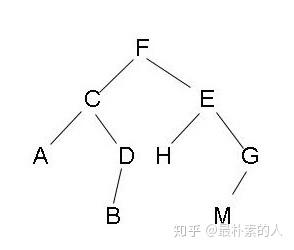
树是一种比较重要的数据结构,二叉树是一种特殊的树,是每个结点最多有两个子树的树结构。通常子树被称作“左子树”(left subtree)和“右子树”(right subtree),二叉树常被用于实现二叉查找树和二叉堆。
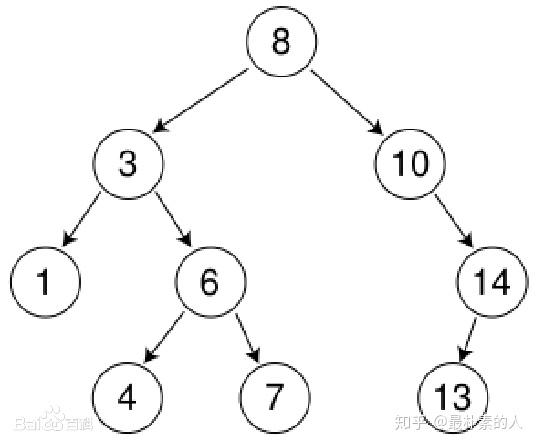
二叉查找树(Binary Search Tree),(又:二叉搜索树,二叉排序树)它或者是一棵空树,或者是具有下列性质的二叉树: 若它的左子树不空,则左子树上所有结点的值均小于它的根结点的值; 若它的右子树不空,则右子树上所有结点的值均大于它的根结点的值。
二叉树的遍历算法:二叉树的遍历可分为三种:先序遍历,中序遍历和后序遍历
先序遍历:简单说其遍历顺序就是:根--左--右
中序遍历:简单说其遍历顺序就是:左--根--右
后序遍历:简单说其遍历顺序就是:左--右--根
实现
二叉搜索树
解释完二叉树的基本知识,下面我们来定义一个二叉树对象,想要的效果就是传入一个无序number数组能生成一个 二叉搜索树
class BinaryTree {
    constructor (arr = ['请输入正确的数组']) {
        this.dataSource = arr;  //原数组
        this.binaryTree = {};   // 二叉搜索树
        this.addToTree(this.dataSource);    //生成二叉树
        return this;
    }

    createNode(key) {
        return {
            key,
            left:'',
            right:''
        }
    }

    addToTree(dataSource) {
        for(let item of dataSource) {
            JSON.stringify(this.binaryTree)==='{}' ?
            (this.binaryTree=this.createNode(dataSource[0])) :
            this.insertNode(this.binaryTree, item);
        }
        return this;
    }

    insertNode(tempBinaryTree, key) {
        if(key<=tempBinaryTree.key){
            if(tempBinaryTree.left==''){
                tempBinaryTree.left=this.createNode(key)
                return;
            }
            this.insertNode(tempBinaryTree.left, key);
        }else{
            if(tempBinaryTree.right==''){
                tempBinaryTree.right=this.createNode(key)
                return;
            }
            this.insertNode(tempBinaryTree.right, key);
        }
    }
}
createNode的作用是将每一个传入的值,将其包装成最小的树单元,有左右子节点。
insertNode的作用是根据规则组合成一个二叉搜索树
如果传入的key值小于现在节点的key值,且当前节点的左子数为空,就将传入的key包装成树单元插入到这个节点左节点上,如果左节点有值了就继续递归下去
如果传入的key值小于现在节点的key值,且当前节点的右子数为空,就将传入的key包装成树单元插入到这个节点右节点上,如果右节点有值了就继续递归下去
let result = new BinaryTree([6,4,2,6,74,6]).binaryTree
console.log(result)

//执行结果
result = {
  "key": 6,
  "left": {
    "key": 4,
    "left": {
      "key": 2,
      "left": "",
      "right": ""
    },
    "right": {
      "key": 6,
      "left": {
        "key": 6,
        "left": "",
        "right": ""
      },
      "right": ""
    }
  },
  "right": {
    "key": 74,
    "left": "",
    "right": ""
  }
}
先序遍历
class BinaryTree {
  constructor (arr = ['请输入正确的数组']) {
      this.dataSource = arr;  //数组
      this.binaryTree = {};   //树对象
      this.preOderArr = []; //先序数组
      this.addToTree(this.dataSource);    //生成二叉树
      this.preOrder(this.binaryTree, this.preOderArr) //先序
 }

  createNode(key) {

  }

  addToTree(dataSource) {

  }

  insertNode(tempBinaryTree, key) {

  }

  //先序排序:根--左--右
  preOrder(binaryTree, arr) {
      if(!!binaryTree) {
          arr.push(binaryTree.key);
          this.preOrder(binaryTree.left, arr);
          this.preOrder(binaryTree.right, arr);
      }
  }
}
可以看到实现代码非常的简洁明了,运用递归实现,准备一个数组容器,先将跟节点push到容器中,再递归遍历其左节点,然后递归其右节点,简单说其遍历顺序就是:根--左--右
执行:
let tree = new BinaryTree([6,4,2,6,74,6]);
let preOderArr = tree.preOderArr;
console.log(preOderArr)

//执行结果
[ 6, 4, 2, 6, 6, 74 ]
中序遍历
class BinaryTree {
  constructor (arr = ['请输入正确的数组']) {
      this.dataSource = arr;  //数组
      this.binaryTree = {};   //树对象
      this.inOderArr = []; //中序数组
      this.addToTree(this.dataSource);    //生成二叉树
      this.inOrder(this.binaryTree, this.inOderArr) //中序
 }

  createNode(key) {

  }

  addToTree(dataSource) {

  }

  insertNode(tempBinaryTree, key) {

  }

  //中序排序:左--根--右
  inOrder(binaryTree, arr) {
      if(!!binaryTree) {
          this.inOrder(binaryTree.left, arr);
          arr.push(binaryTree.key);
          this.inOrder(binaryTree.right, arr);
      }
  }
}
可以看到实现代码非常的简洁明了,运用递归实现,准备一个数组容器,先遍历左节点,然后将当前节点的key值push到容器中,最后遍历右节点,简单说其遍历顺序就是:左--根--右
执行:
let tree = new BinaryTree([6,4,2,6,74,6]);
let inOderArr = tree.inOderArr;
console.log(inOderArr)

//执行结果
[ 2, 4, 6, 6, 6, 74 ]
后序遍历
class BinaryTree {
  constructor (arr = ['请输入正确的数组']) {
      this.dataSource = arr;  //数组
      this.binaryTree = {};   //树对象
      this.behindOderArr = []; //后序数组
      this.addToTree(this.dataSource);    //生成二叉树
      this.behindOrder(this.binaryTree, this.behindOderArr) //后序
 }

  createNode(key) {

  }

  addToTree(dataSource) {

  }

  insertNode(tempBinaryTree, key) {

  }

  //后序排序:左--右--根
  behindOrder(binaryTree, arr) {
      if(!!binaryTree) {
          this.behindOrder(binaryTree.left, arr);
          this.behindOrder(binaryTree.right, arr);
          arr.push(binaryTree.key);
      }
  }
}
可以看到实现代码非常的简洁明了,运用递归实现,准备一个数组容器,先遍历左节点,后遍历右节点,然后将当前节点的key值push到容器中,简单说其遍历顺序就是:左--右--根
执行:
let tree = new BinaryTree([6,4,2,6,74,6]);
let behindOderArr = tree.behindOderArr;
console.log(behindOderArr)
//执行结果
[ 2, 6, 6, 4, 74, 6 ]
非递归的中序算法
用非递归实现的中序算法,其他可以以此类推
inOrder(binaryTree, arr) {
      let temp = [binaryTree];
      while(temp.length!==0){
        let item = temp.pop();
        if(item instanceof Object){
          item.left&&temp.push(item.left);
          temp.push(item.key)
          item.right&&temp.push(item.right);
        }else{
          arr.push(item)
        }
      }
      arr = arr.reverse();
  }
要非递归的完成排序,排序有个特点就是朝一个方向一直深入下去,那自然想到我们要准备一个temp栈,栈的特点是先进先出,当temp的长度为0表示排序结束。根据中序的规则,左中右的顺序入栈。最后进行arr.reverse(),就能得到正确的排序顺序了;
完整源码
class BinaryTree {
  constructor (arr = ['请输入正确的数组']) {
      this.dataSource = arr;  //数组
      this.binaryTree = {};   //树对象
      this.preOderArr = []; //先序数组
      this.behindOderArr = []; //后序数组
      this.inOderArr = []; //中序数组
      this.addToTree(this.dataSource);    //生成二叉树
      this.preOrder(this.binaryTree, this.preOderArr) //先序
      this.inOrder(this.binaryTree, this.inOderArr) //中序
      this.behindOrder(this.binaryTree, this.behindOderArr) //后序
  }

  createNode(key) {
      return {
          key,
          left:'',
          right:''
      }
  }

  addToTree(dataSource) {
      for(let item of dataSource) {
          JSON.stringify(this.binaryTree)==='{}' ?
          (this.binaryTree=this.createNode(dataSource[0])) :
          this.insertNode(this.binaryTree, item);
      }
      return this;
  }

  insertNode(tempBinaryTree, key) {
      if(key<=tempBinaryTree.key){
          if(tempBinaryTree.left==''){
              tempBinaryTree.left=this.createNode(key)
              return;
          }
          this.insertNode(tempBinaryTree.left, key);
      }else{
          if(tempBinaryTree.right==''){
              tempBinaryTree.right=this.createNode(key)
              return;
          }
          this.insertNode(tempBinaryTree.right, key);
      }
  }

  getBinaryTree() {
      return {
          binaryTree: this.binaryTree,
          preOderArr: this.preOderArr,
          behindOderArr: this.behindOderArr,
          inOderArr: this.inOderArr
      }
  }

  //中序排序^
  inOrder(binaryTree, arr) {
      if(!!binaryTree) {
          this.inOrder(binaryTree.left, arr);
          arr.push(binaryTree.key);
          this.inOrder(binaryTree.right, arr);
      }
  }

  //先序排序<
  preOrder(binaryTree, arr) {
      if(!!binaryTree) {
          arr.push(binaryTree.key);
          this.preOrder(binaryTree.left, arr);
          this.preOrder(binaryTree.right, arr);
      }
  }

  //后序排序>
  behindOrder(binaryTree, arr) {
      if(!!binaryTree) {
          this.behindOrder(binaryTree.left, arr);
          this.behindOrder(binaryTree.right, arr);
          arr.push(binaryTree.key);
      }
  }
}
let tree = new BinaryTree([6,4,2,6,74,6]).getBinaryTree();
console.log(tree)