简评:代数类型并不是专指某种类型,而是对原有类型的一种思考方式。合理的使用 Sum 类型,能让代码的可读性大大提高。
代数类型 - 它们是什么?
代数类型并不是一种新类型。 原有类型的一种思考方式。 有许多不同的代数类型 - 实际上,你当前使用的所有类型都是代数的。 在这里,我们将介绍两种基本的代数类型
- Product 类型
- Sum 类型
所以让我们从熟悉的东西开始吧。Product 类型Swift 的 struct 和 Java 的 class 都算是 Product 类型。它们被称为 Product 类型是因为它们具有的可能值的数量是其组成部分的可能值的数量的乘积(这句话不好理解,可以直接看示例)。
struct ProductExample {
  let a: Bool
  let b: Bool
}
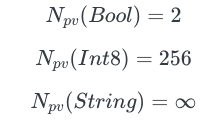
所以 Bool 类型可以有 2 个可能的值。 ProductExample 中有 2 个 Bool 类型的值 a, b。 我们可以通过将 a 的可能值的数量与 b 的可能值的数量相乘来获得 ProductExample 的可能值的数量。 所以 ProductExample 的可能值的数量是 2 x 2 = 4。
这种类型的所有可能的情况很明显:
let first = ProductExample(a: true, b: true)
let second = ProductExample(a: true, b: false)
let third = ProductExample(a: false, b: true)
let fourth = ProductExample(a: false, b: false)
我们来看另一个例子:
struct ProductExampleTwo {
  let a: Bool
  let b: Int8
}
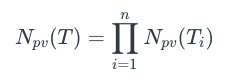
现在我们的 ProductExampleTwo 类型具有可能的值,它是 Bool 和 Int8 的乘积。 Int8 有 256 种可能, Bool 有 2 种可能 2。 所以我们的 ProductExampleTwo 有 512 种可能。我们可以定义一个函数 Npv 用于返回某个类型可能值的数量。

enum SumExample {
  case a(Bool)
  case b(Bool)
}
我们可以没列举出 SumExample 可能出现的情况
let first = SumExample.a(true)
let second = SumExample.b(true)
let third = SumExample.a(false)
let fourth = SumExample.b(false)
可以看出,Enum 可能值的可能数为 Enum 所有组成部分可能值数量之和,所以 Npv(SumExample)结果是Npv(Bool)+Npv(Bool) = 2 + 2 = 4。
再举个例子
enum SumExampleTwo {
  case a(Bool)
  case b(Int8)
}
Npv(SumExampleTwo)= Npv(Bool)+ Npv(Int8) = 2 + 256 = 258。
我们如何这种特点写出更好的代码?
- 使用 enum 作为返回值: 如果我们定义了一个方法发送一个请求返回一个 String 类型的结果,我们来看看之前的代码。
typealias Handler = (String?, Error?) -> Void
func getUser(from: URL, completionHandler: Handler) {
     // function implementation
}
getUser(from: someUrl) { result, error in
    if let result = result {
      // Handle result
    } if let error = error {
      // Handle error
    }
}
为什么这是一个坏的选择? 因为我们的返回值有两个可能的值:
- success - 从服务器获取结果
- error - 函数处理过程中出现的错误
看到这段代码,我们根据返回值会做如下 4 种判断:
result = nil, error = not nil // Case 1
result = not nil, error = nil // Case 2
result = not nil, error = not nil // Case 3
result = nil, error = nil // Case 4
但实际上成功失败仅仅只需要两种可能:
成功 :result != nil, error == nil
失败:result == nil, error != nil
这个问题的原因是我们使用了 Product 类型而不是 Sum 类型。
把返回值 换成 enum 的代码现在是这样的
enum Result {
   case success(String)
   case error(Error)
}

  typealias Handler = (Result) -> Void

  func getUser(from: URL, completionHandler: (Handler)) {
     // implementation
  }

  getUser(from: someUrl) { response in
    switch response {
      case .success(let result):
         print(result)
      case .error(let error):
        print(error.localizedDescription)
    }
}
我们创建了一个称为 Result 的 Sum 类型,我们使用它来区分两种可能性。 我们的用例符合我们的实际情况,这样非常的棒。
- Optional enum: 您可能不知道 Swift 有一种类型 - Optional,内部实现就是使用 Sum 类型 Enum
enum Optional<T> {
      case some(T)
      case none
}
所以let a: String? = "Hello" 这段代码,只是let a = Optional.some("Hello")这段代码的简写。
好消息是,Swift 有一些简洁的语法糖来帮助我们区分 Sum 类型- if let 和 guard let 结构。
let a: String? = "Hello"
    if let a = a {
     print(a)
    } else {
     print("error")
}
相当于:
let a = Optional.some("Hello")
switch a {
    case .some(let res):
        print(res)
    case .none:
        print("Error")
}
- 使用 Sum 类型来表示路由: 在你的应用程序中,有些东西的可能性是有限的,并且非常容易用 Sum 类型表示出来。例如使用 enum 来表示网络请求的 url:
enum Router {
    case user(id: Int)
    case weather(day: Day)
}
extension Router {
    var url: String {
      switch self {
         case .user(let id):
           return "\(App.BaseUrl)/user/\(id)"
          case .weather(let day):
            return "\(App.BaseUrl)/weather/\(day.rawValue)"
          }
      }
}
你的 Router 可以使用这种方式暴露所有东西如参数、请求头,请求类型等… 现在,如果你需要替换应用主题风格,可以试试这种方式:
struct AppThemeModel {
      let baseColor: UIColor
      let backgroundColor: UIColor
      let accentColor: UIColor
      let baseFont: UIFont
}
enum AppTheme {
      case dark
      case light
      var model: AppThemeModel {
          switch self {
          case .dark:
               return AppThemeModel(
                    baseColor: .red
                    backgroundColor: .darkRed
                    accentColor: .yellow
                    baseFont: .systemFontOfSize(12) )
          case .light:
                return  AppThemeModel(
                    baseColor: .white
                    backgroundColor: .gray
                    accentColor: .blue
                    baseFont: .systemFontOfSize(13)
                  )
              }
          }
     }
// During app init
var currentAppTheme = AppTheme.dark
- 实现数据结构 在 swift 中使用 sum 类型来实现树和链表非常容易。
  indirect enum Tree<T> {
    case node(T, l: Tree, r: Tree)
    case leaf(T)

    var l: Tree? {
      switch self {
      case .node(_, l: let l, _):
        return l
      case .leaf(_):
        return nil
      }
    }

    var r: // equivalent implementation to l

    var value: T {
      switch self {
      case .node(let val, _, _):
        return val
      case .leaf(let val):
        return val
      }
    }
}
let tree = Tree.node(12, l: Tree.leaf(11),
                            r: Tree.node(34, l: Tree.leaf(34),
                                             r: Tree.leaf(55)))
enum Foo {
  case a
  case b
}
let sth = Foo.a
let oth = Foo.b
But can be also written like this:
enum Foo {
  case a(String)
  case b(isEnabled: Bool)
}
let sth = Foo.a("Hello")
let oth = Foo.b(isEnabled: false)
https://mislavjavor.github.io/2017-04-19/Swift-enums-are-sum-types.-That-makes-them-very-interesting/?utm_source=mybridge&utm_medium=blog&utm_campaign=read_more