转载注明出处:blog.csdn.net/accepthjp/a…
接上一篇AlexNet,本文讲述使用tensorflow实现VGG19网络。
VGG网络与AlexNet类似,也是一种CNN,VGG在2014年的 ILSVRC localization and classification 两个问题上分别取得了第一名和第二名。VGG网络非常深,通常有16-19层,卷积核大小为 3 x 3,16和19层的区别主要在于后面三个卷积部分卷积层的数量。第二个用tensorflow独立完成的小玩意儿......
同样先放上我的代码,由AlexNet的代码改过来的:github.com/hjptriplebe…
如果想运行代码,详细的配置要求都在上面链接的readme文件中了。本文建立在一定的tensorflow基础上,不会对太细的点进行说明。
模型结构
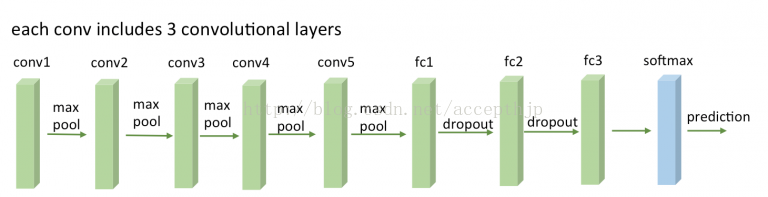
可以看到VGG的前几层为卷积和maxpool的交替,每个卷积包含多个卷积层,后面紧跟三个全连接层。激活函数采用Relu,训练采用了dropout,但并没有像AlexNet一样采用LRN(论文给出的理由是加LRN实验效果不好)。
模型定义
- def maxPoolLayer(x, kHeight, kWidth, strideX, strideY, name, padding = "SAME"):
- """max-pooling"""
- return tf.nn.max_pool(x, ksize = [1, kHeight, kWidth, 1],
- strides = [1, strideX, strideY, 1], padding = padding, name = name)
- def dropout(x, keepPro, name = None):
- """dropout"""
- return tf.nn.dropout(x, keepPro, name)
- def fcLayer(x, inputD, outputD, reluFlag, name):
- """fully-connect"""
- with tf.variable_scope(name) as scope:
- w = tf.get_variable("w", shape = [inputD, outputD], dtype = "float")
- b = tf.get_variable("b", [outputD], dtype = "float")
- out = tf.nn.xw_plus_b(x, w, b, name = scope.name)
- if reluFlag:
- return tf.nn.relu(out)
- else:
- return out
- def convLayer(x, kHeight, kWidth, strideX, strideY,
- featureNum, name, padding = "SAME"):
- """convlutional"""
- channel = int(x.get_shape()[-1]) #获取channel数
- with tf.variable_scope(name) as scope:
- w = tf.get_variable("w", shape = [kHeight, kWidth, channel, featureNum])
- b = tf.get_variable("b", shape = [featureNum])
- featureMap = tf.nn.conv2d(x, w, strides = [1, strideY, strideX, 1], padding = padding)
- out = tf.nn.bias_add(featureMap, b)
- return tf.nn.relu(tf.reshape(out, featureMap.get_shape().as_list()), name = scope.name)
def maxPoolLayer(x, kHeight, kWidth, strideX, strideY, name, padding = "SAME"):
    """max-pooling"""
    return tf.nn.max_pool(x, ksize = [1, kHeight, kWidth, 1],
                          strides = [1, strideX, strideY, 1], padding = padding, name = name)

def dropout(x, keepPro, name = None):
    """dropout"""
    return tf.nn.dropout(x, keepPro, name)

def fcLayer(x, inputD, outputD, reluFlag, name):
    """fully-connect"""
    with tf.variable_scope(name) as scope:
        w = tf.get_variable("w", shape = [inputD, outputD], dtype = "float")
        b = tf.get_variable("b", [outputD], dtype = "float")
        out = tf.nn.xw_plus_b(x, w, b, name = scope.name)
        if reluFlag:
            return tf.nn.relu(out)
        else:
            return out

def convLayer(x, kHeight, kWidth, strideX, strideY,
              featureNum, name, padding = "SAME"):
    """convlutional"""
    channel = int(x.get_shape()[-1]) #获取channel数
    with tf.variable_scope(name) as scope:
        w = tf.get_variable("w", shape = [kHeight, kWidth, channel, featureNum])
        b = tf.get_variable("b", shape = [featureNum])
        featureMap = tf.nn.conv2d(x, w, strides = [1, strideY, strideX, 1], padding = padding)
        out = tf.nn.bias_add(featureMap, b)
        return tf.nn.relu(tf.reshape(out, featureMap.get_shape().as_list()), name = scope.name)
定义了卷积、pooling、dropout、全连接五个模块,使用了上一篇AlexNet中的代码,其中卷积模块去除了group参数,因为网络没有像AlexNet一样分成两部分。接下来定义VGG19。
- class VGG19(object):
- """VGG model"""
- def __init__(self, x, keepPro, classNum, skip, modelPath = "vgg19.npy"):
- self.X = x
- self.KEEPPRO = keepPro
- self.CLASSNUM = classNum
- self.SKIP = skip
- self.MODELPATH = modelPath
- #build CNN
- self.buildCNN()
- def buildCNN(self):
- """build model"""
- conv1_1 = convLayer(self.X, 3, 3, 1, 1, 64, "conv1_1" )
- conv1_2 = convLayer(conv1_1, 3, 3, 1, 1, 64, "conv1_2")
- pool1 = maxPoolLayer(conv1_2, 2, 2, 2, 2, "pool1")
- conv2_1 = convLayer(pool1, 3, 3, 1, 1, 128, "conv2_1")
- conv2_2 = convLayer(conv2_1, 3, 3, 1, 1, 128, "conv2_2")
- pool2 = maxPoolLayer(conv2_2, 2, 2, 2, 2, "pool2")
- conv3_1 = convLayer(pool2, 3, 3, 1, 1, 256, "conv3_1")
- conv3_2 = convLayer(conv3_1, 3, 3, 1, 1, 256, "conv3_2")
- conv3_3 = convLayer(conv3_2, 3, 3, 1, 1, 256, "conv3_3")
- conv3_4 = convLayer(conv3_3, 3, 3, 1, 1, 256, "conv3_4")
- pool3 = maxPoolLayer(conv3_4, 2, 2, 2, 2, "pool3")
- conv4_1 = convLayer(pool3, 3, 3, 1, 1, 512, "conv4_1")
- conv4_2 = convLayer(conv4_1, 3, 3, 1, 1, 512, "conv4_2")
- conv4_3 = convLayer(conv4_2, 3, 3, 1, 1, 512, "conv4_3")
- conv4_4 = convLayer(conv4_3, 3, 3, 1, 1, 512, "conv4_4")
- pool4 = maxPoolLayer(conv4_4, 2, 2, 2, 2, "pool4")
- conv5_1 = convLayer(pool4, 3, 3, 1, 1, 512, "conv5_1")
- conv5_2 = convLayer(conv5_1, 3, 3, 1, 1, 512, "conv5_2")
- conv5_3 = convLayer(conv5_2, 3, 3, 1, 1, 512, "conv5_3")
- conv5_4 = convLayer(conv5_3, 3, 3, 1, 1, 512, "conv5_4")
- pool5 = maxPoolLayer(conv5_4, 2, 2, 2, 2, "pool5")
- fcIn = tf.reshape(pool5, [-1, 7*7* 512])
- fc6 = fcLayer(fcIn, 7*7*512, 4096, True, "fc6")
- dropout1 = dropout(fc6, self.KEEPPRO)
- fc7 = fcLayer(dropout1, 4096, 4096, True, "fc7")
- dropout2 = dropout(fc7, self.KEEPPRO)
- self.fc8 = fcLayer(dropout2, 4096, self.CLASSNUM, True, "fc8")
- def loadModel(self, sess):
- """load model"""
- wDict = np.load(self.MODELPATH, encoding = "bytes").item()
- #for layers in model
- for name in wDict:
- if name not in self.SKIP:
- with tf.variable_scope(name, reuse = True):
- for p in wDict[name]:
- if len(p.shape) == 1:
- #bias 只有一维
- sess.run(tf.get_variable('b', trainable = False).assign(p))
- else:
- #weights
- sess.run(tf.get_variable('w', trainable = False).assign(p))
class VGG19(object):
    """VGG model"""
    def __init__(self, x, keepPro, classNum, skip, modelPath = "vgg19.npy"):
        self.X = x
        self.KEEPPRO = keepPro
        self.CLASSNUM = classNum
        self.SKIP = skip
        self.MODELPATH = modelPath
        #build CNN
        self.buildCNN()

    def buildCNN(self):
        """build model"""
        conv1_1 = convLayer(self.X, 3, 3, 1, 1, 64, "conv1_1" )
        conv1_2 = convLayer(conv1_1, 3, 3, 1, 1, 64, "conv1_2")
        pool1 = maxPoolLayer(conv1_2, 2, 2, 2, 2, "pool1")

        conv2_1 = convLayer(pool1, 3, 3, 1, 1, 128, "conv2_1")
        conv2_2 = convLayer(conv2_1, 3, 3, 1, 1, 128, "conv2_2")
        pool2 = maxPoolLayer(conv2_2, 2, 2, 2, 2, "pool2")

        conv3_1 = convLayer(pool2, 3, 3, 1, 1, 256, "conv3_1")
        conv3_2 = convLayer(conv3_1, 3, 3, 1, 1, 256, "conv3_2")
        conv3_3 = convLayer(conv3_2, 3, 3, 1, 1, 256, "conv3_3")
        conv3_4 = convLayer(conv3_3, 3, 3, 1, 1, 256, "conv3_4")
        pool3 = maxPoolLayer(conv3_4, 2, 2, 2, 2, "pool3")

        conv4_1 = convLayer(pool3, 3, 3, 1, 1, 512, "conv4_1")
        conv4_2 = convLayer(conv4_1, 3, 3, 1, 1, 512, "conv4_2")
        conv4_3 = convLayer(conv4_2, 3, 3, 1, 1, 512, "conv4_3")
        conv4_4 = convLayer(conv4_3, 3, 3, 1, 1, 512, "conv4_4")
        pool4 = maxPoolLayer(conv4_4, 2, 2, 2, 2, "pool4")

        conv5_1 = convLayer(pool4, 3, 3, 1, 1, 512, "conv5_1")
        conv5_2 = convLayer(conv5_1, 3, 3, 1, 1, 512, "conv5_2")
        conv5_3 = convLayer(conv5_2, 3, 3, 1, 1, 512, "conv5_3")
        conv5_4 = convLayer(conv5_3, 3, 3, 1, 1, 512, "conv5_4")
        pool5 = maxPoolLayer(conv5_4, 2, 2, 2, 2, "pool5")

        fcIn = tf.reshape(pool5, [-1, 7*7*512])
        fc6 = fcLayer(fcIn, 7*7*512, 4096, True, "fc6")
        dropout1 = dropout(fc6, self.KEEPPRO)

        fc7 = fcLayer(dropout1, 4096, 4096, True, "fc7")
        dropout2 = dropout(fc7, self.KEEPPRO)

        self.fc8 = fcLayer(dropout2, 4096, self.CLASSNUM, True, "fc8")

    def loadModel(self, sess):
        """load model"""
        wDict = np.load(self.MODELPATH, encoding = "bytes").item()
        #for layers in model
        for name in wDict:
            if name not in self.SKIP:
                with tf.variable_scope(name, reuse = True):
                    for p in wDict[name]:
                        if len(p.shape) == 1:
                            #bias 只有一维
                            sess.run(tf.get_variable('b', trainable = False).assign(p))
                        else:
                            #weights
                            sess.run(tf.get_variable('w', trainable = False).assign(p))
buildCNN函数完全按照VGG的结构搭建网络。
loadModel函数从模型文件中读取参数,采用的模型文件见github上的readme说明。
至此,我们定义了完整的模型,下面开始测试模型。
模型测试
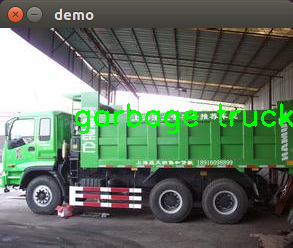
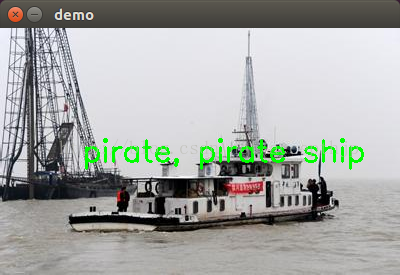
ImageNet训练的VGG有很多类,几乎包含所有常见的物体,因此我们随便从网上找几张图片测试。比如我直接用了之前做项目的图片,为了避免审美疲劳,我们不只用渣土车,还要用挖掘机、采沙船:
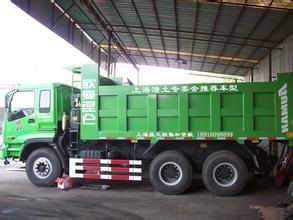

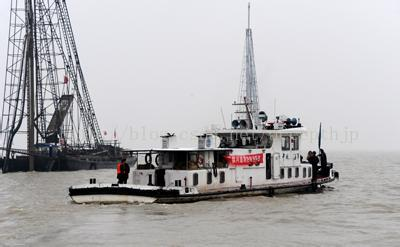
然后编写测试代码:
- parser = argparse.ArgumentParser(description='Classify some images.')
- parser.add_argument('mode', choices=['folder', 'url'], default='folder')
- parser.add_argument('path', help='Specify a path [e.g. testModel]')
- args = parser.parse_args(sys.argv[1:])
- if args.mode == 'folder': #测试方式为本地文件夹
- #get testImage
- withPath = lambda f: '{}/{}'.format(args.path,f)
- testImg = dict((f,cv2.imread(withPath(f))) for f in os.listdir(args.path) if os.path.isfile(withPath(f)))
- elif args.mode == 'url': #测试方式为URL
- def url2img(url): #获取URL图像
- '''''url to image'''
- resp = urllib.request.urlopen(url)
- image = np.asarray(bytearray(resp.read()), dtype="uint8")
- image = cv2.imdecode(image, cv2.IMREAD_COLOR)
- return image
- testImg = {args.path:url2img(args.path)}
- if testImg.values():
- #some params
- dropoutPro = 1
- classNum = 1000
- skip = []
- imgMean = np.array([104, 117, 124], np.float)
- x = tf.placeholder("float", [1, 224, 224, 3])
- model = vgg19.VGG19(x, dropoutPro, classNum, skip)
- score = model.fc8
- softmax = tf.nn.softmax(score)
- with tf.Session() as sess:
- sess.run(tf.global_variables_initializer())
- model.loadModel(sess) #加载模型
- for key,img in testImg.items():
- #img preprocess
- resized = cv2.resize(img.astype(np.float), (224, 224)) - imgMean #去均值
- maxx = np.argmax(sess.run(softmax, feed_dict = {x: resized.reshape((1, 224, 224, 3))})) #网络输入为224*224
- res = caffe_classes.class_names[maxx]
- font = cv2.FONT_HERSHEY_SIMPLEX
- cv2.putText(img, res, (int(img.shape[0]/3), int(img.shape[ 1]/3)), font, 1, (0, 255, 0), 2) #在图像上绘制结果
- print("{}: {}\n----".format(key,res)) #输出测试结果
- cv2.imshow("demo", img)
- cv2.waitKey(0)
parser = argparse.ArgumentParser(description='Classify some images.')
parser.add_argument('mode', choices=['folder', 'url'], default='folder')
parser.add_argument('path', help='Specify a path [e.g. testModel]')
args = parser.parse_args(sys.argv[1:])

if args.mode == 'folder': #测试方式为本地文件夹
    #get testImage
    withPath = lambda f: '{}/{}'.format(args.path,f)
    testImg = dict((f,cv2.imread(withPath(f))) for f in os.listdir(args.path) if os.path.isfile(withPath(f)))
elif args.mode == 'url': #测试方式为URL
    def url2img(url): #获取URL图像
        '''url to image'''
        resp = urllib.request.urlopen(url)
        image = np.asarray(bytearray(resp.read()), dtype="uint8")
        image = cv2.imdecode(image, cv2.IMREAD_COLOR)
        return image
    testImg = {args.path:url2img(args.path)}

if testImg.values():
    #some params
    dropoutPro = 1
    classNum = 1000
    skip = []

    imgMean = np.array([104, 117, 124], np.float)
    x = tf.placeholder("float", [1, 224, 224, 3])

    model = vgg19.VGG19(x, dropoutPro, classNum, skip)
    score = model.fc8
    softmax = tf.nn.softmax(score)

    with tf.Session() as sess:
        sess.run(tf.global_variables_initializer())
        model.loadModel(sess) #加载模型

        for key,img in testImg.items():
            #img preprocess
            resized = cv2.resize(img.astype(np.float), (224, 224)) - imgMean #去均值
            maxx = np.argmax(sess.run(softmax, feed_dict = {x: resized.reshape((1, 224, 224, 3))})) #网络输入为224*224
            res = caffe_classes.class_names[maxx]

            font = cv2.FONT_HERSHEY_SIMPLEX
            cv2.putText(img, res, (int(img.shape[0]/3), int(img.shape[1]/3)), font, 1, (0, 255, 0), 2) #在图像上绘制结果
            print("{}: {}\n----".format(key,res)) #输出测试结果
            cv2.imshow("demo", img)
            cv2.waitKey(0)
如果你看完了我AlexNet的博客,那么一定会发现我这里的测试代码做了一些小的修改,增加了URL测试的功能,可以测试网上的图像 ,测试结果如下: