

作者:Andyy Hope,原文链接,原文日期:2016-01-24 译者:jseanj[1];校对:saitjr[2];定稿:CMB[3]
几周前,我无意发现 Guille Gonzalez[4] 写的一篇文章,介绍了如何用协议和扩展让 UITableViewCell 的注册和重用更安全。
看完这篇文章后我非常惊叹,因为不需要依赖继承,只需要协议扩展和泛型就可以非常容易的实现自定义的行为。自从 WWDC15,我们已经听到关于 Swift 如何是一门面向协议的语言[5],而我只是一知半解,如果你懂我的意思的话。而就在此时我终于明白他们在讲的是什么了。
在我花费大量时间做的应用中有一个大的 storyboard,使用起来令人难以置信的繁琐,所以我最后决定将它分离开。将一个巨大的 UIStoryboard 分成众多小的 UIStoryboard,然后我只需要在我的代码中用不同的字符串去实例化 UIStoryboard,但是这样从来不安全。
你留在家中的无声杀手
 let name = "News"
let storyboard = UIStoryboard(name: name, bundle: nil)
let identifier = "ArticleViewController"
let viewController = storyboard.instantiateViewControllerWithIdentifier(identifier) as! ArticleViewController
上面的代码中,我们创建了一个名称为 “News” 的 UIStoryboard 实例,这会在工程资源目录下找名称为 “News.storyboard” 的文件。但是,如果有一个更复杂的名称比如 “Onomatopoeia”,由于这个词非常奇怪并且不寻常,导致我为了文章的书写必须查查怎么拼写这个词。可以想象,在工程代码中如果我要不停的去猜如何拼写类似的词,这将是非常愚蠢的,但实际上人们就是在做着疯狂的事情。
不知道怎么拼写就算了,更糟的是由于它是一个字符串,Xcode 的语法检查器并不会检测出来拼写错误,因此你只能在运行时才可能发现这种错误。唉!
如何才能让 UIStoryboard 更安全
全局字符串常量
不,永远不。刚开始这听起来是一个好想法,因为你只需要定义一次常量就可以在任何地方使用。如果你想改变常量的值,只需要更改一处就可以让工程中所有使用该常量的地方发生变化。
但是这样你会少了一个变量名,你会对经常要重用一个变量名而感到惊讶。你曾经尝试过给一个 NSObject 的子类的属性命名为 “description” 吗?这时你就知道我的意思了。如果 storyboards 使用多个字符串常量标识符的话,就会丧失一致性,如果它们定义在工程中的不同地方,也会使查找和合并它们变得更困难。
定义一个全局字符串常量还有诸多坏处,但是为了继续讨论文章中要提到的精华,所以我们将会忽略这些坏处。
关联的 Storyboard 名称
首要原则是你的 storyboard 应该以它包含的模块命名。例如,如果一个 storyboard 包含的控制器是关于新闻的,那么就把 storyboard 文件命名为 “News.storyboard”。
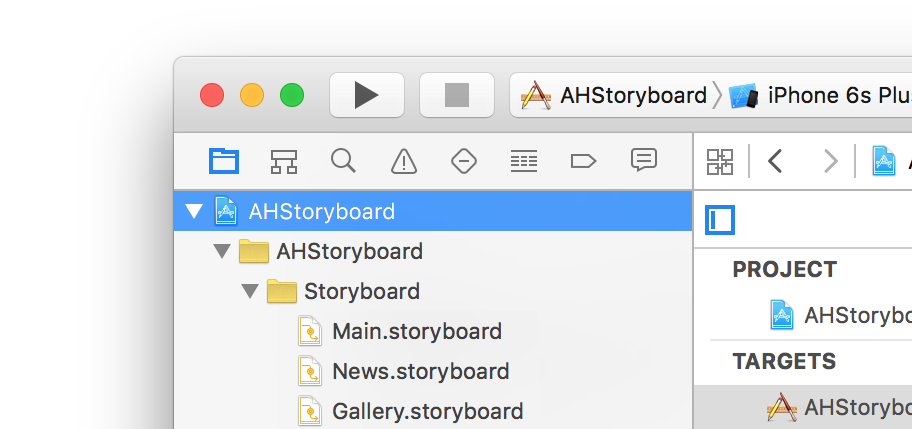 [7]
[7]统一 Storyboard 标识符
当你打算在你的控制器上使用 Storyboard 标识符时,通常的做法是使用类名作为标识符。比如 “ArticleViewController” 作为 ArticleViewController 的标识符。这将会减少你和同事们的负担,你和你的同事们不必再去想和记忆统一标识符或者命名规范。
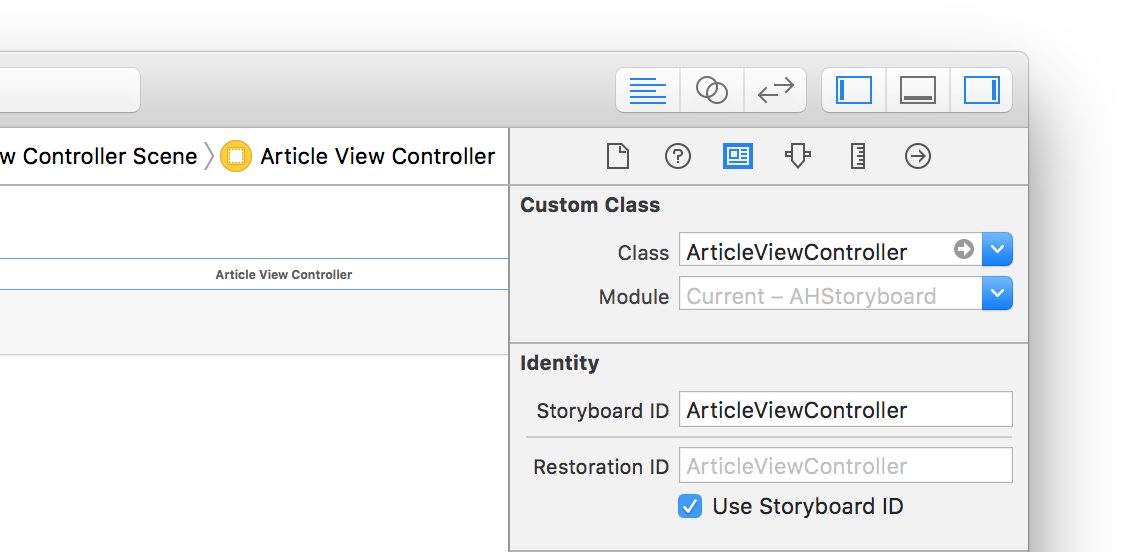 [9]
[9]可以考虑将枚举作为统一的、中心全局化的 UIStoryboard 字符串标识符。为了让 storyboard 实例化对象变得真正的安全,我们可以创建一个 UIStoryboard 类的扩展,其中定义了工程中不同的 storyboard 文件。
extension UIStoryboard {
    enum Storyboard : String {
        case Main
        case News
        case Gallery
    }
}
正如你所见,所有的内容在工程中都是统一并且中心化的。实例化也更加安全,当你敲击标识符时 Xcode 也会自动补全。
storyboard = UIStoryboard(name: UIStoryboard.Storyboard..rawValue, bundle: )
这段代码可以顺畅的编译并运行,但是语法却很丑陋。因此我们再深入地简化一下语法,在 UIStoryboard 扩展中创建一个便利构造方法:
convenience init(storyboard: Storyboard, bundle: NSBundle? = nil) {
    self.init(name: storyboard.rawValue, bundle: bundle)
}
...
let storyboard = UIStoryboard(storyboard: .News)
你将会注意到,bundle: 参数默认是 nil,因此在调用构造方法时可以忽略 bundle: 参数。
这样做的原因是如果你传 nil 给 bundle 参数,UIStroyboard 类会去 main bundle 中查找资源,所以给 bundle 参数传 nil 和传 NSBundle.mainBundle() 是一样的,就像苹果文档中说的:
bundle 中包含了 storyboard 文件和相关的资源文件,如果你传 nil,这个方法会去当前应用的 main bundle 中查找。 —— UIStoryboard Class Reference
和创建便利构造方法等价的是创建一个 UIStoryboard 类方法,该类方法返回 UIStoryboard 实例。
class  storyboard(storyboard: Storyboard, bundle: NSBundle? = ) -> UIStoryboard {
    return UIStoryboard(name: storyboard.rawValue, bundle: bundle)
 storyboard = UIStoryboard.storyboard(.)
无论是创建便利构造方法还是类方法,结果都是一样的。唯一的差别是语法形式上的个人喜好,我个人认为类方法更好一些,因此我会在自己的代码中使用它们。无论你选择哪种方式,确保在你的工程中保持一致就可以了。
好的,让我们加大马力来看看在文章开头中吸引你的那些东西。
协议扩展和泛型
通常工程中不会有那么多的 storyboard 文件,即使我们有 20 个 storyboard 文件,我们也可以使用上面的方法来很好的维护它们。另一方面,控制器完全就是另一回事了。在我工作的 Xcode 工程中快速的搜索一下,我发现目前使用了超过 100 个不同的 UIViewController 子类。这是一个难题。
 storyboard = UIStoryboard.storyboard(.)
 identifier = "ArticleViewController"
 viewController = storyboard.instantiateViewControllerWithIdentifier(identifier) ! ArticleViewController
现在我们不仅要管理代码中的 storyboard 标识符和 Interface Builder,还要处理各种各样的类型转换,因为这个方法只返回 UIViewController:
instantiateViewControllerWithIdentifier( identifier: String) -> UIViewController
由于我们有如此多的 UIViewController 子类,所以之前在 UIStoryboard 中使用的枚举方式会比字符串标识符更好一些,但是这种方式管理这么多控制器仍显笨拙。
StoryboardIdentifiable 协议
protocol StoryboardIdentifiable {
    static var storyboardIdentifier: String { get }
}
我们创建一个任何类都可以遵循的协议,协议中有一个静态变量 storyboardIdentifier。这将会减少我们管理控制器标识符的工作量。
StoryboardIdentifiable 协议扩展
extension StoryboardIdentifiable where Self: UIViewController {
    static var storyboardIdentifier: String {
        return String(self)
    }
}
在我们的协议扩展声明中,where 子句表示该扩展只适用于 UIViewController 或者它的子类。像 NSDate 这样的类就不会获取到 storyboardIdentifier 协议变量。
在协议扩展中,我们提供了一个在运行时动态获取 storyboardIdentifier 字符串的方法。
我最近才发现 Swift 字符串有这样的功能,这要感谢 NatashaTheRobot[10] 的 文章[11]。这个比 Objective-C 的 NSStringFromClass() 更好,这里是原因[12]。(译者注:同时,翻译组也翻译了 Natasha 的这篇文章,详见:《优雅的 NSStringFromClass 替代方案》[13])
 classString = String(ArticleViewController)
print(classString)
// prints: ArticleViewController
StoryboardIdentifiable 全局一致性
extension UIViewController : StoryboardIdentifiable { }
现在我们让工程中的每个 UIViewController 都遵循 StoryboardIdentifiable 协议。这种方式减轻了工作量,使得我们不用更新每个 UIViewController 来遵循该协议,同时也不需要记住在创建新的 UIViewController 类时让它遵循该协议。
class ArticleViewController : UIViewController { }
...
print(ArticleViewController.storyboardIdentifier)
// prints: ArticleViewController
带有泛型的 UIStoryboard 扩展
func instantiateViewController() -> T
我们摆脱了使用 storyboard 字符串标识符从 storyboard 中创建控制器,取而代之的是一种更新更安全的方式:
extension UIStoryboard {
    func instantiateViewController() -> T {
        let optionalViewController = self.instantiateViewControllerWithIdentifier(T.storyboardIdentifier)

        guard let viewController = optionalViewController as? T  else {
            fatalError(“Couldn’t instantiate view controller with identifier \(T.storyboardIdentifier) “)
        }

        return viewController
    }
}
这里我们使用泛型,它只允许我们传入的类是 UIViewController 或者是 UIViewController 的子类,而且在泛型声明中有一个 where 子句,它限制了这些类也需要遵循 StoryboardIdentifiable 协议。
如果我们尝试传入一个 NSObject 对象,Xcode 会编译不过。或者我们传入一个 UIViewController 但是不遵循 StoryboardIdentifiable 协议的对象,Xcode 也不会编译通过。这已经足够安全。
<: UIViewController where : StoryboardIdentifiable>() ->
Yo! 这些奇怪的语法是什么?
通常泛型使用 “T” 作为参数名称,然而你可以在尖括号里的第一次声明时替换成任何你想要的名称。如果我们想换,我们可以将 T 重命名为一个更易读的名称 “VC” 或者 “ViewController”:
<: UIViewController where : StoryboardIdentifiable>() ->
无论你使用哪个名称,必须在声明和方法体中保持一致。但是对于这个例子,我们会坚持用 T,因为你会在其他的代码和例子中发现这是 Swift 的传统。
关于 Swift 泛型的更多内容可以到官方文档[14]中查看
回到刚刚打断的地方:
optionalViewController = .instantiateViewControllerWithIdentifier(.storyboardIdentifier)
我们调用原始的 UIStoryboard 的 instantiateViewControllerWithIdentifier 方法,并传递 storyboardIdentifier 变量作为参数,方法返回的是一个可选类型的 UIViewController。
guard let
    viewController = optionalViewController as? T
else {
    fatalError(“Couldn’t instantiate view controller with identifier \(T.storyboardIdentifier) “)
}
return viewController
我们尝试对可选类型的 UIViewController 对象进行解包,并转换成传入的类型。如果由于某种原因控制器不存在,fatalError 方法会被调用,同时控制台会在调试模式时通知你,因此这些错误不会在发布版本中发生。
最后,我们返回类型是 T 的解包过的 viewController。
class ArticleViewController : UIViewController
{
    func printHeadline() { }
}
...
let storyboard = UIStoryboard.storyboard(.News)
let viewController: ArticleViewController = storyboard.instantiateViewController()
viewController.printHeadline()
presentViewController(viewController, animated: true, completion: nil)
这就是全部,我们摆脱了丑陋的,不安全的字符串标识符,取而代之的是枚举、协议扩展和泛型。
而且,我们可以通过 UIStoryboard 方法实例化一个特殊类型的控制器对象,并且不需要类型转换就可以执行特殊的操作。这难道不是你一天当中看到的最棒的事情吗?
感谢 Raifura Andrei[15] 和 Kyle Davis[16] 的反馈,我已经更新了文章和示例代码,简化了语法同时提高了可读性。Github 和 Gists 也同步更新了。享受吧。
本文的示例代码[17]可以在 Github 上找到。
本文由 SwiftGG 翻译组翻译,已经获得作者翻译授权,最新文章请访问 swift.gg[18]。
