/**
     * Generate a proxy class.  Must call the checkProxyAccess method
     * to perform permission checks before calling this.
     */
    private static Class<?> getProxyClass0(ClassLoader loader,
                                           Class<?>... interfaces) {
        if (interfaces.length > 65535) {
            throw new IllegalArgumentException("interface limit exceeded");
        }

        // If the proxy class defined by the given loader implementing
        // the given interfaces exists, this will simply return the cached copy;
        // otherwise, it will create the proxy class via the ProxyClassFactory
        return proxyClassCache.get(loader, interfaces);
    }
 public V get(K key, P parameter) {
        Objects.requireNonNull(parameter);

        expungeStaleEntries();

        Object cacheKey = CacheKey.valueOf(key, refQueue);

        // lazily install the 2nd level valuesMap for the particular cacheKey
        ConcurrentMap<Object, Supplier<V>> valuesMap = map.get(cacheKey);
        if (valuesMap == null) {
            ConcurrentMap<Object, Supplier<V>> oldValuesMap
                = map.putIfAbsent(cacheKey,
                                  valuesMap = new ConcurrentHashMap<>());
            if (oldValuesMap != null) {
                valuesMap = oldValuesMap;
            }
        }

        // create subKey and retrieve the possible Supplier<V> stored by that
        // subKey from valuesMap
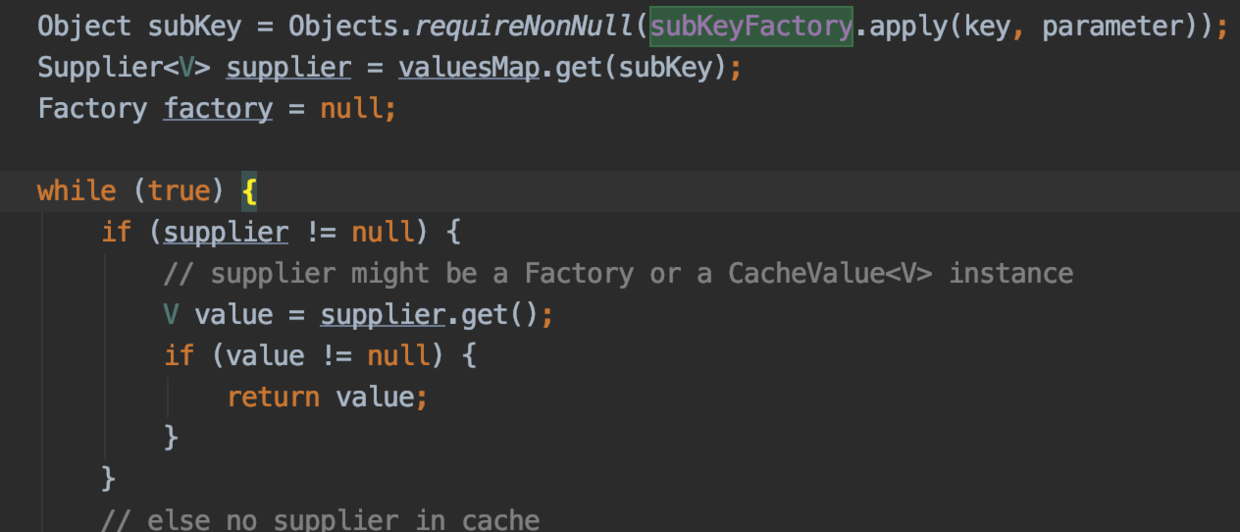
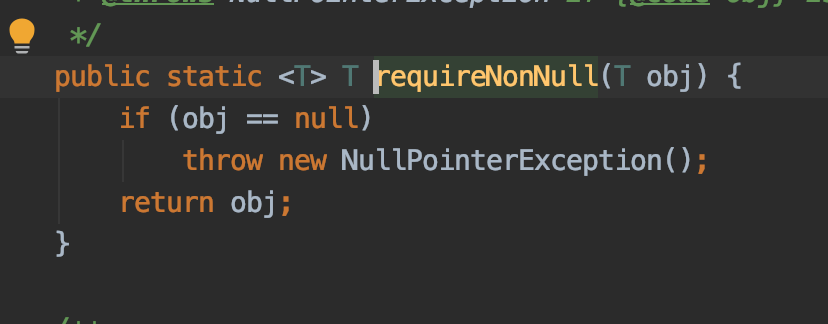
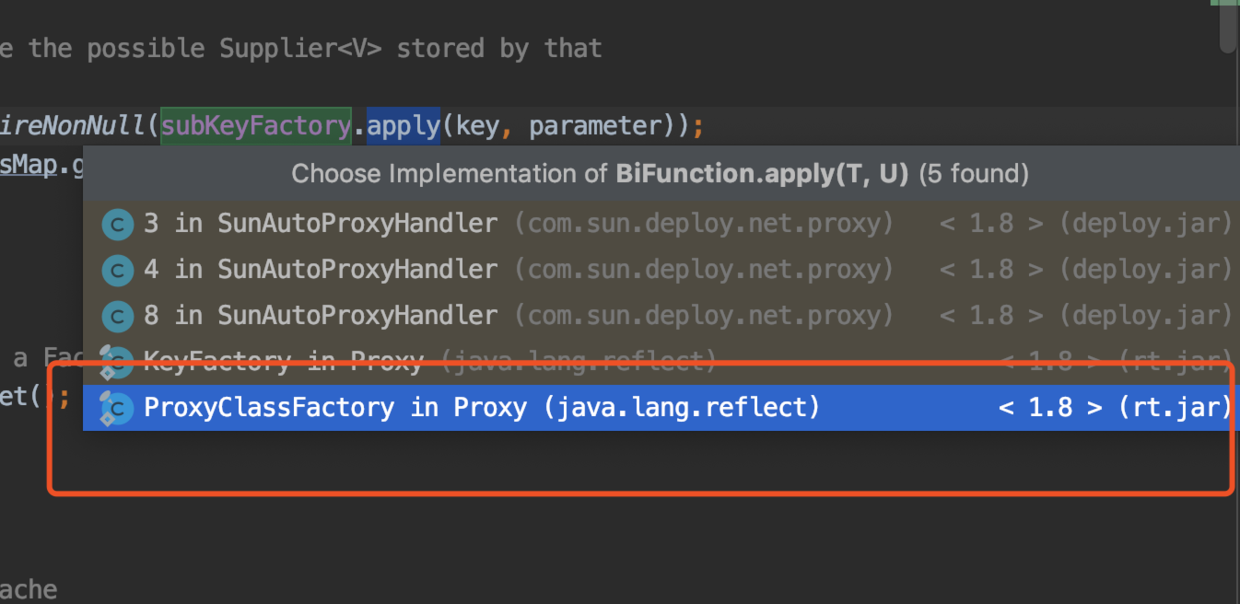
        Object subKey = Objects.requireNonNull(subKeyFactory.apply(key, parameter));
        Supplier<V> supplier = valuesMap.get(subKey);
        Factory factory = null;

        while (true) {
            if (supplier != null) {
                // supplier might be a Factory or a CacheValue<V> instance
                V value = supplier.get();
                if (value != null) {
                    return value;
                }
            }
            // else no supplier in cache
            // or a supplier that returned null (could be a cleared CacheValue
            // or a Factory that wasn't successful in installing the CacheValue)

            // lazily construct a Factory
            if (factory == null) {
                factory = new Factory(key, parameter, subKey, valuesMap);
            }

            if (supplier == null) {
                supplier = valuesMap.putIfAbsent(subKey, factory);
                if (supplier == null) {
                    // successfully installed Factory
                    supplier = factory;
                }
                // else retry with winning supplier
            } else {
                if (valuesMap.replace(subKey, supplier, factory)) {
                    // successfully replaced
                    // cleared CacheEntry / unsuccessful Factory
                    // with our Factory
                    supplier = factory;
                } else {
                    // retry with current supplier
                    supplier = valuesMap.get(subKey);
                }
            }
        }
    }
@Override
public Class<?> apply(ClassLoader loader, Class<?>[] interfaces) {
Map<Class<?>, Boolean> interfaceSet = new IdentityHashMap<>(interfaces.length);
for (Class<?> intf : interfaces) {
/*
* Verify that the class loader resolves the name of this
* interface to the same Class object.
*/
Class<?> interfaceClass = null;
try {
interfaceClass = Class.forName(intf.getName(), false, loader);
} catch (ClassNotFoundException e) {
}
if (interfaceClass != intf) {
throw new IllegalArgumentException(
intf + " is not visible from class loader");
}
/*
* Verify that the Class object actually represents an
* interface.
*/
if (!interfaceClass.isInterface()) {
throw new IllegalArgumentException(
interfaceClass.getName() + " is not an interface");
}
/*
* Verify that this interface is not a duplicate.
*/
if (interfaceSet.put(interfaceClass, Boolean.TRUE) != null) {
throw new IllegalArgumentException(
"repeated interface: " + interfaceClass.getName());
}
}
String proxyPkg = null; // package to define proxy class in
int accessFlags = Modifier.PUBLIC | Modifier.FINAL;
/*
* Record the package of a non-public proxy interface so that the
* proxy class will be defined in the same package. Verify that
* all non-public proxy interfaces are in the same package.
*/
for (Class<?> intf : interfaces) {
int flags = intf.getModifiers();
if (!Modifier.isPublic(flags)) {
accessFlags = Modifier.FINAL;
String name = intf.getName();
int n = name.lastIndexOf('.');
String pkg = ((n == -1) ? "" : name.substring(0, n + 1));
if (proxyPkg == null) {
proxyPkg = pkg;
} elseif (!pkg.equals(proxyPkg)) {
throw new IllegalArgumentException(
"non-public interfaces from different packages");
}
}
}
if (proxyPkg == null) {
// if no non-public proxy interfaces, use com.sun.proxy package
proxyPkg = ReflectUtil.PROXY_PACKAGE + ".";
}
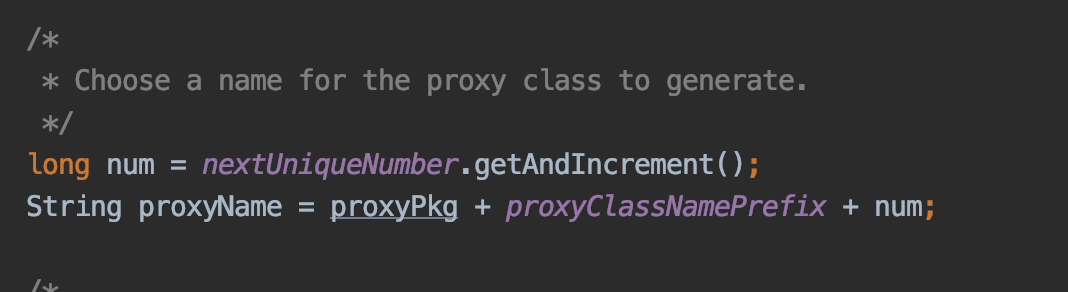
/*
* Choose a name for the proxy class to generate.
*/
long num = nextUniqueNumber.getAndIncrement();
String proxyName = proxyPkg + proxyClassNamePrefix + num;
/*
* Generate the specified proxy class.
*/
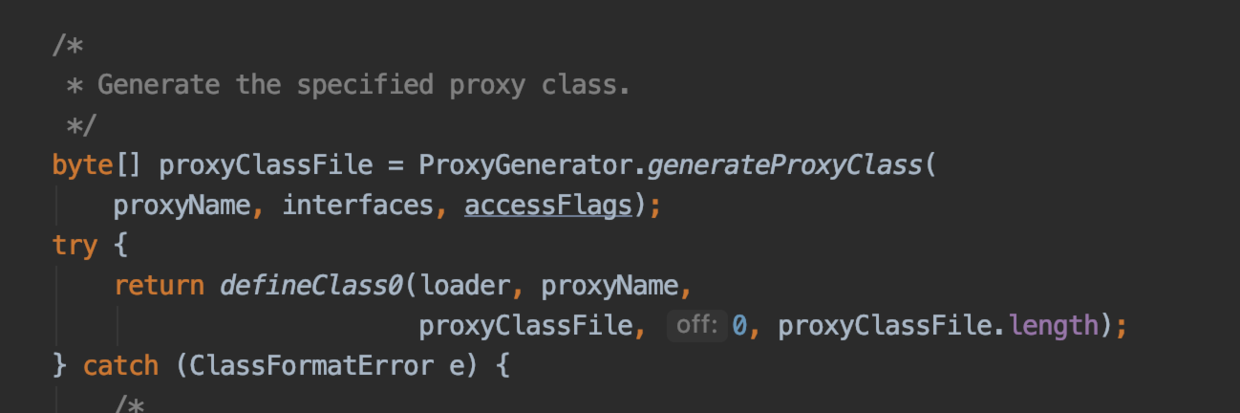
byte[] proxyClassFile = ProxyGenerator.generateProxyClass(
proxyName, interfaces, accessFlags);
try {
return defineClass0(loader, proxyName,
proxyClassFile, 0, proxyClassFile.length);
} catch (ClassFormatError e) {
/*
* A ClassFormatError here means that (barring bugs in the
* proxy class generation code) there was some other
* invalid aspect of the arguments supplied to the proxy
* class creation (such as virtual machine limitations
* exceeded).
*/
throw new IllegalArgumentException(e.toString());
}
}
前面也是一大堆反射,我们注意到
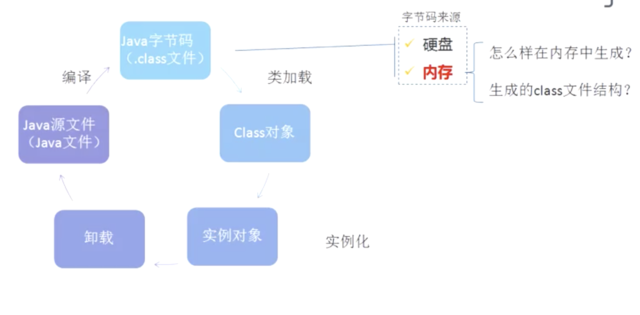
从它注释Generate the specified proxy class,我们也可以确定他就是真正生成代理对象的地方,这里通过ProxyGenerator.generateProxyClass生成一个byte数组,然后再return一个*defineClass0(loader, proxyName,proxyClassFile, 0,proxyClassFile.length);*我们知道java里的.class文件实际上是有许多byte字节码组成的,所以我们猜测这里就是真正生成class对象的地方,defineClass0方法就是把字节数组转化为实际class的方法,我们点进去发现是一个native
我们注意到这里的注释Choose a name for the proxy class to generate.选择一个名字给代理class,我们点进去
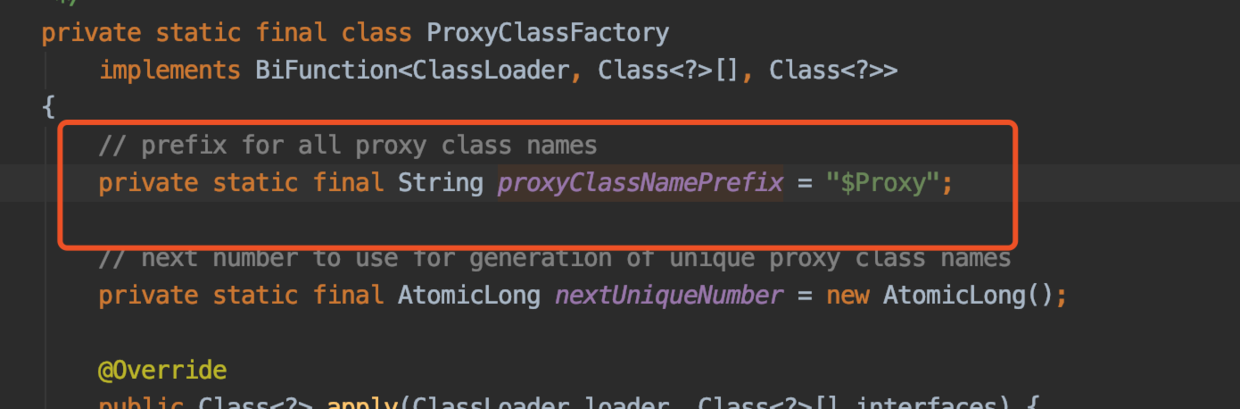
这里的proxyClassNamePrefix是不是就是我们断点打出来的代理类的名字么,后面+num我们不用猜,肯定就是0,1,2,3。。。这样的num。那么ProxyGenerator.generateProxyClass
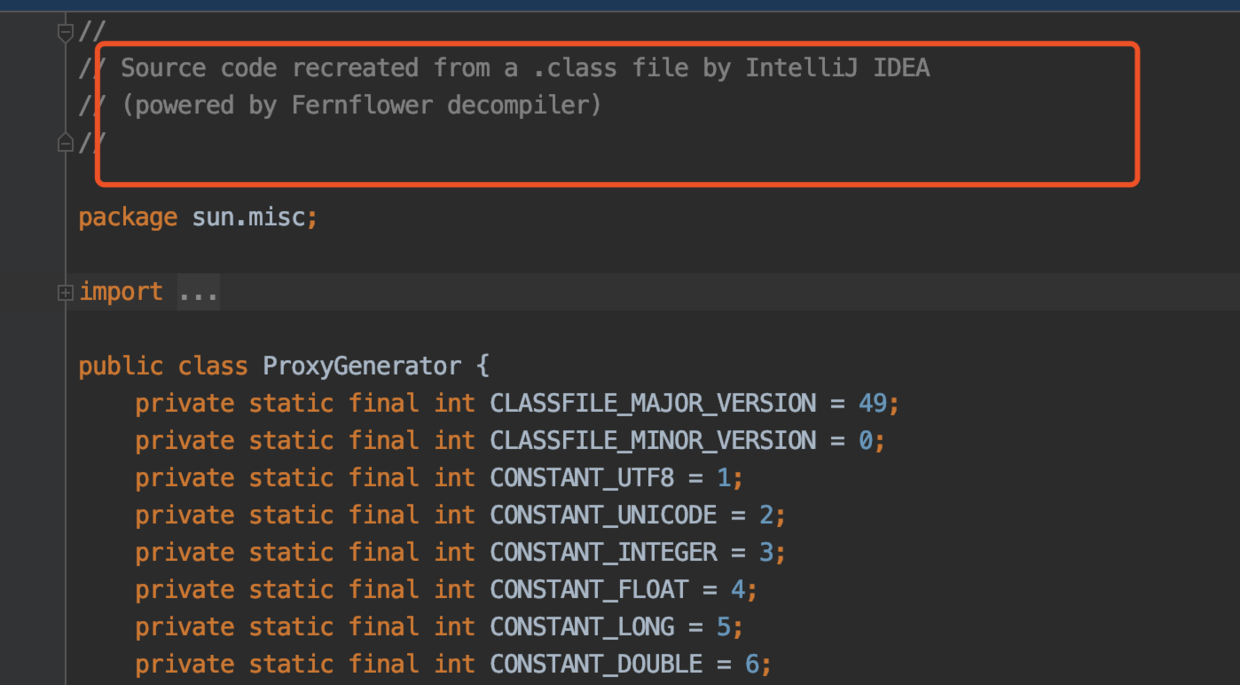
怎么生成byte数组的呢?我们点进去,
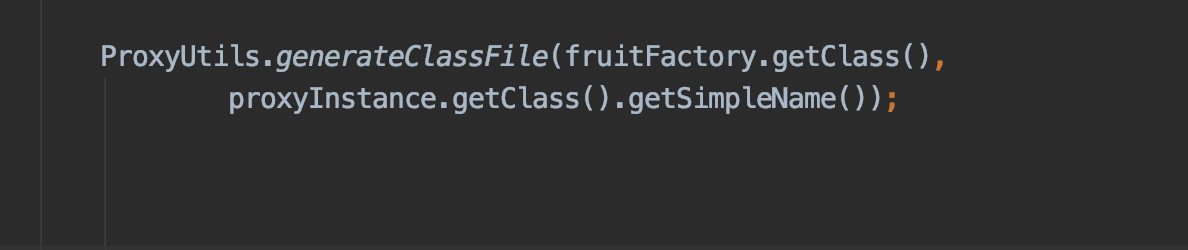
从注释里可以看到,是系统编译器直接创建的,大致浏览下代码,就是各种IO操作,我猜测应该就是读写.class文件里的操作,文章最后我们会去揭秘。